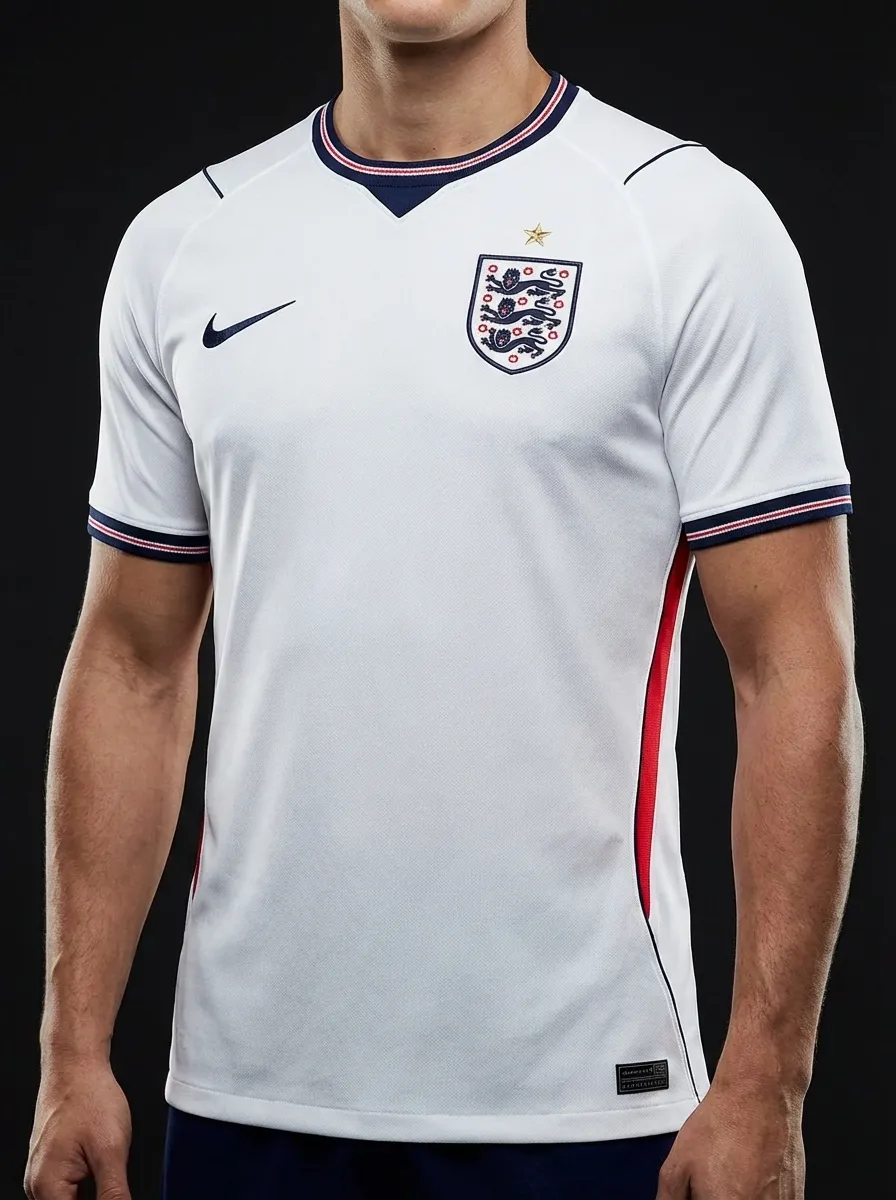
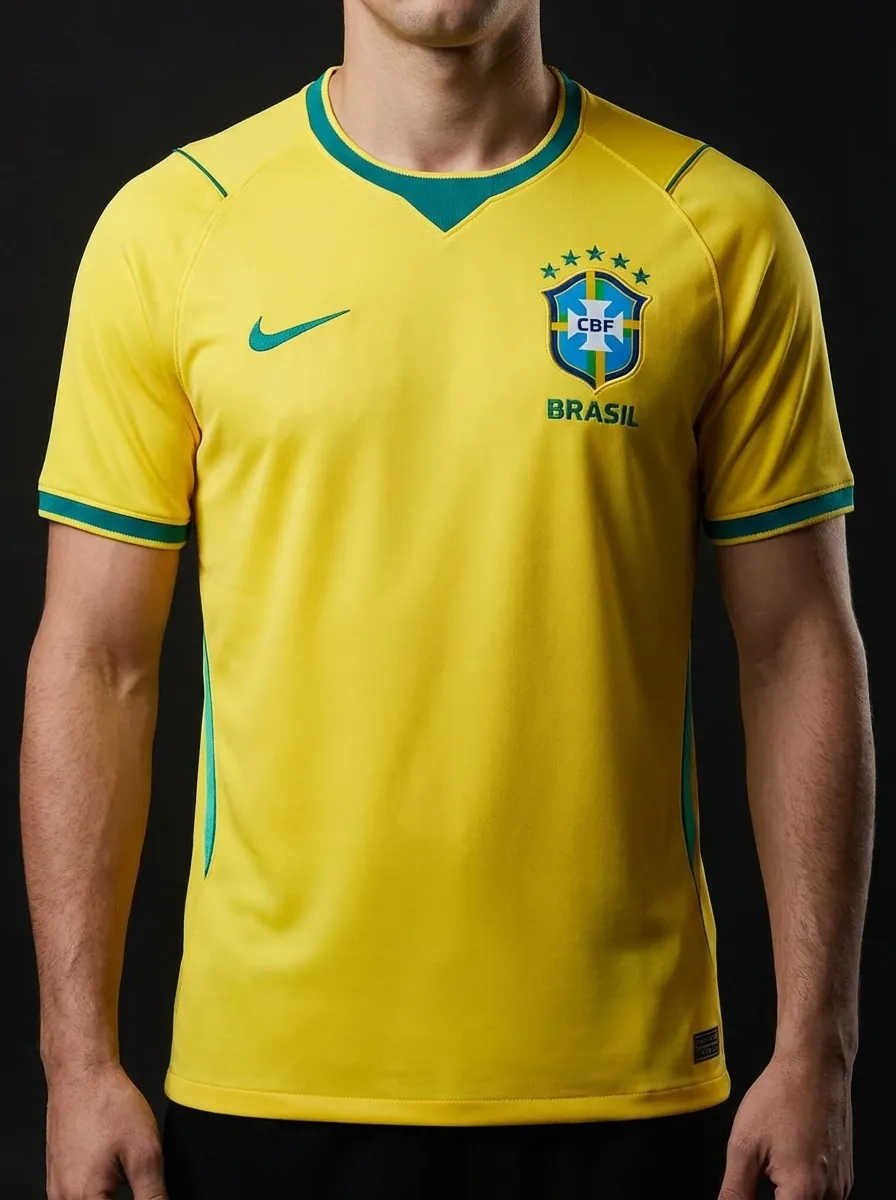
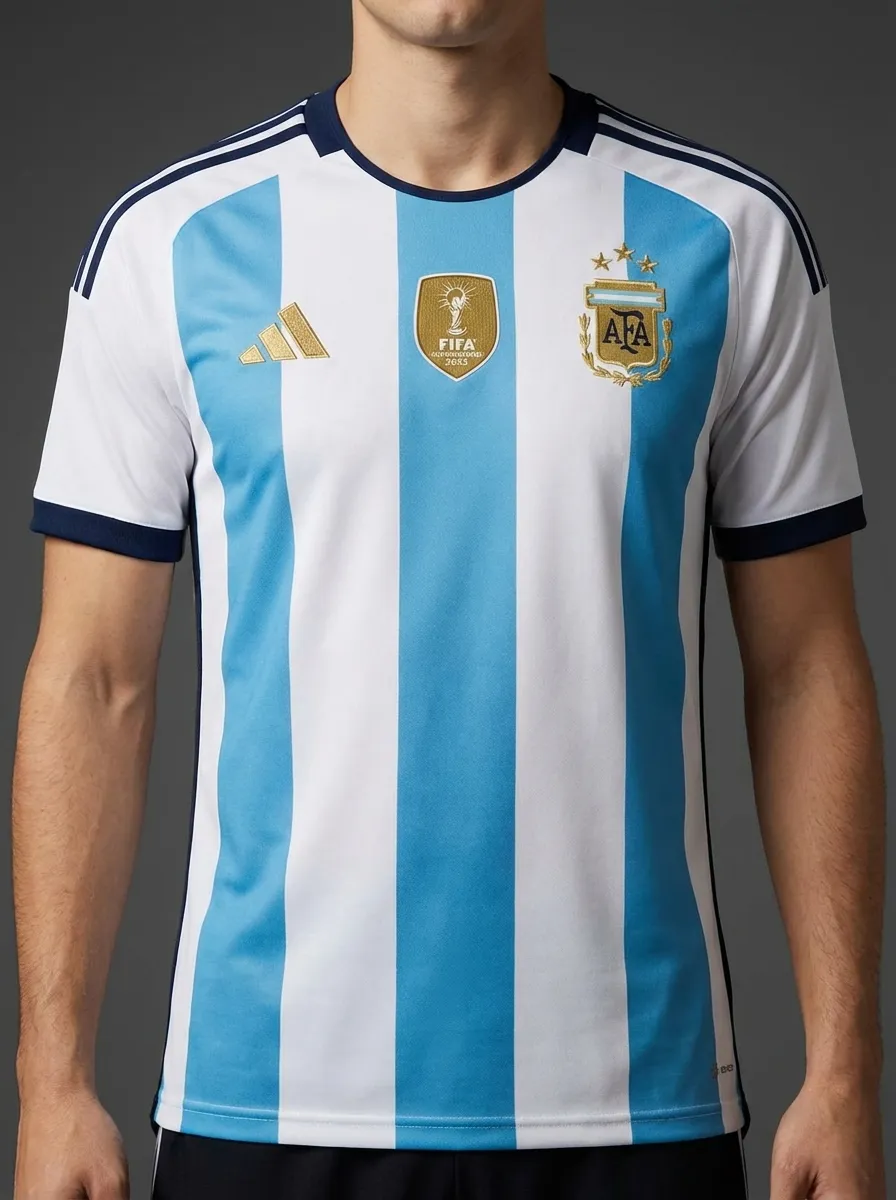
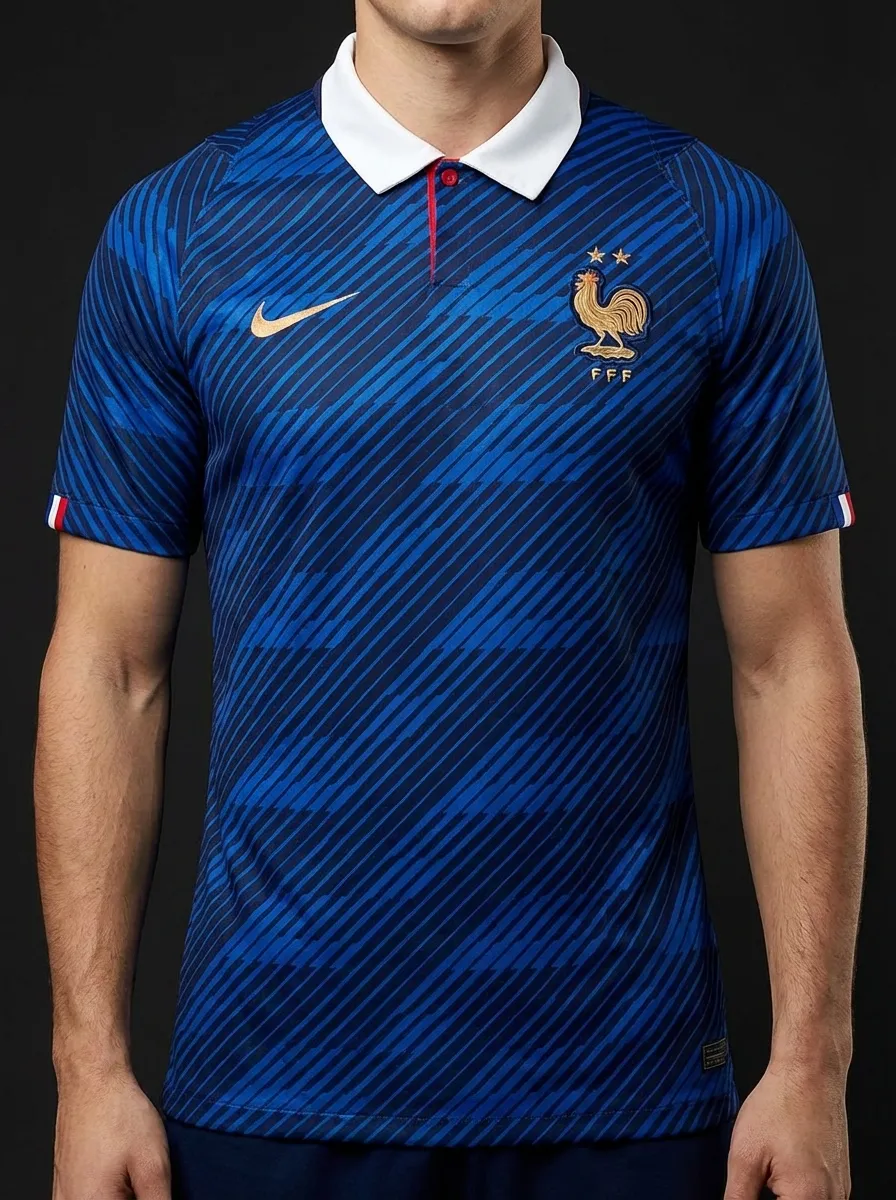
When the first team went out, who did fans adopt?
Every football fan needs a second team for the World Cup. Your first team is the one you grew up with — the country your family is from, the country your dad supported, the country whose shirt you bought when you were eight. That allegiance is fixed. You don't pick it; it picks you.
The second team is different. It's the side you adopt for the tournament once you accept your first team probably isn't winning. It's the team you cheer for in the knockouts. It's the team whose kit you wear on the days when your first team isn't playing. And done well, it's one of the most enjoyable parts of being a football fan.
Looking back, these were the most defensible ways supporters made that choice without simply jumping onto the eventual winner.
Method 1: Pick by family heritage
The cleanest, most defensible way to pick a second team is to look at your family tree. Got an Italian grandparent? Italy would be your second team if they'd qualified — but since they didn't, the next-closest culturally is probably Spain or Portugal. Got Polish heritage? Pick a Slavic side. Got Irish heritage? Pick whichever home nation isn't England.
Family heritage gives you a defensible answer to anyone who calls you a glory hunter. "My mum's side is from Naples" stops the conversation immediately. Nobody can argue with ancestry.
Method 2: Pick the dark horse
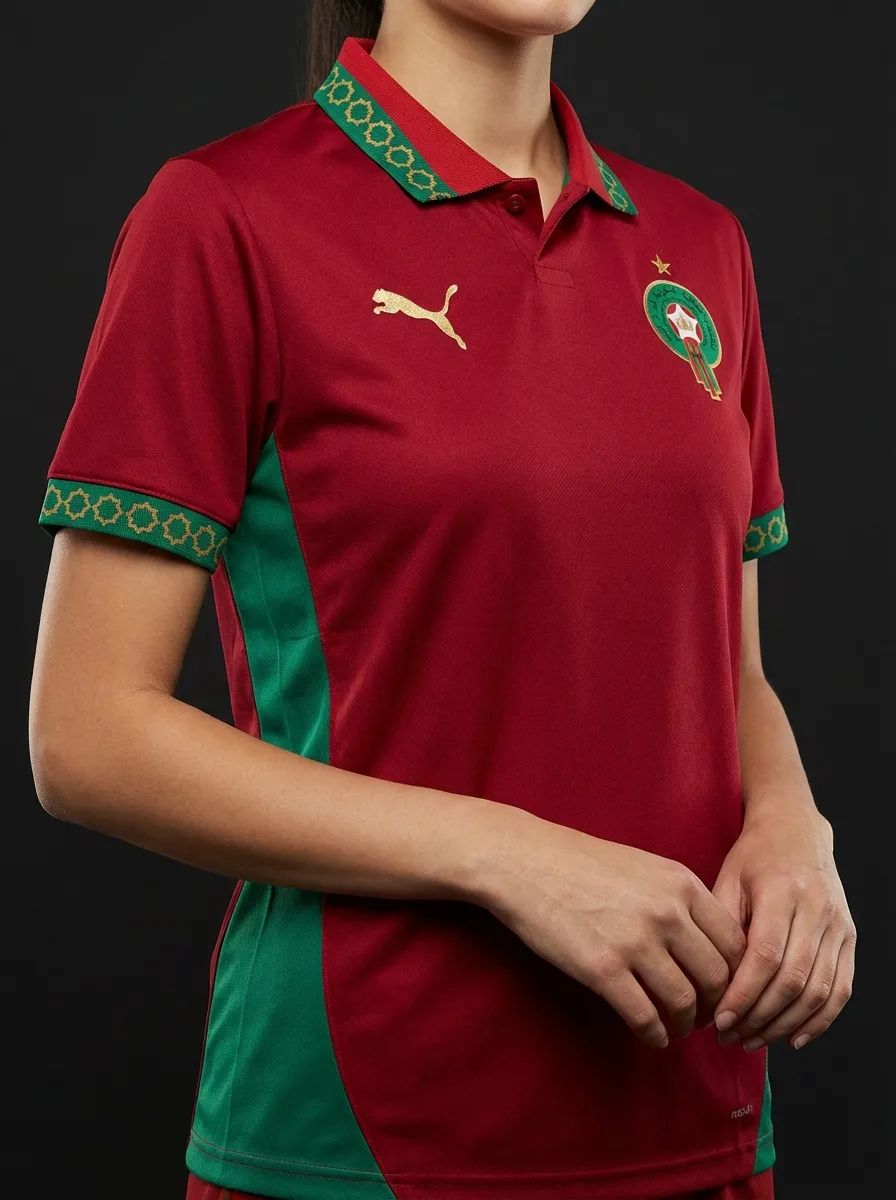
The most fun second-team strategy. Pick a team you think is going to outperform expectations — and who would generate maximum joy if they did. Morocco in 2022 is the textbook example. Anyone who picked Morocco as their second team in October 2022 had the best six weeks of their football-watching life.
Before kick-off, our dark horse shortlist named Morocco, Japan, Senegal, Ecuador, Switzerland and Austria. The useful retrospective question is not whether every forecast landed; it is whether following one of those sides made more matches matter.
Method 3: Pick by kit aesthetics
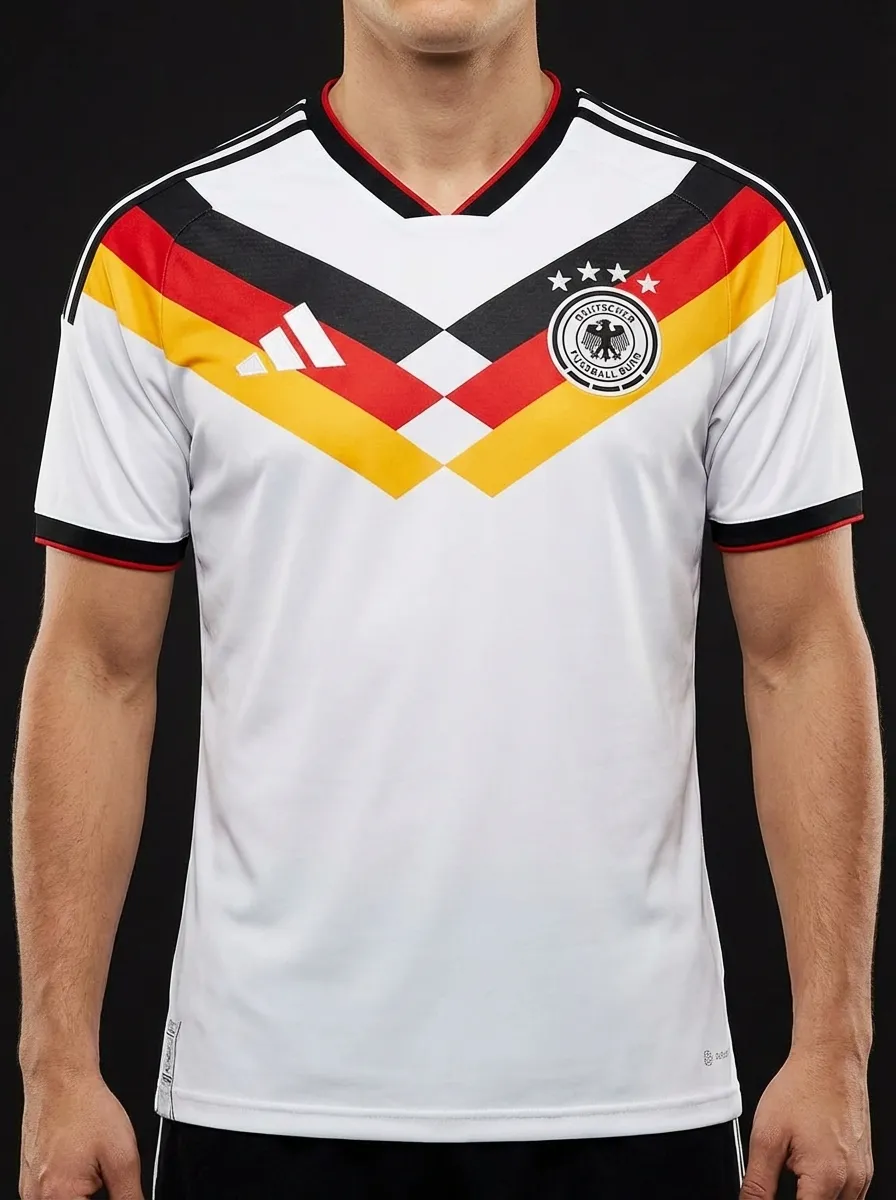
The lazy answer that's actually fine. Pick the team with the best kit. There's no shame in this. Football is a visual sport, you watch with your eyes, the shirt you'd wear is a perfectly valid reason to pick a team.
The 2026 cycle has produced enough strong kits to make this a real option. Japan's always-clean Adidas template. Croatia's checkerboard. Brazil's yellow x Jordan collab. Mexico's green. Browse the full kit gallery and pick whichever shirt makes you stop scrolling.
Method 4: Pick by playing style
If you're a tactical-football person, the team can be based on how they actually play: Spain for the possession football that ended with the trophy, Brazil for attacking flair, Germany for structural midfield or Argentina for another run to the final.
This works best for people who actually watch a lot of football and have aesthetic preferences for how the game is played. If you don't, skip this method — you'll just end up parroting opinions you don't really hold.
Method 5: Pick the underdog rivalry
Pick the team that's most likely to upset the team you don't like. If you're an England fan who hates Germany, pick whichever team draws Germany in the round of 16. If you're a Brazil fan who hates Argentina, pick whichever team draws Argentina in the quarters. The "second team" becomes a vehicle for tournament-long emotional revenge.
This is the chaotic method but it works. Some of the most-watched second-team choices in football history were driven entirely by wanting to see a specific other team lose.
Rules for your second team
- You can't pick a top-3 favourite. Picking Brazil as a second team is glory hunting. Picking Argentina as a second team is glory hunting. The second team has to be at least Tier 2 in tournament expectations.
- The cleanest choice was made before the run. Adopting a team only after a knockout win looked like hindsight. Fans who chose early had a real story to follow.
- Wear the colours if you want to. Supporting a second team should be fun; buying a shirt is optional, not a test of whether your interest is real.
- You don't switch mid-tournament. If your second team gets knocked out, you don't get a third team. You watch the rest of the tournament neutrally and respect the game.
Five shirt-led second-team choices fans could defend
This is not a results ranking. It is a look back at five choices that combined football identity with a distinctive shirt:
- Morocco — another quarter-final run gave the red shirt fresh knockout memories.
- Japan — a recognisable adidas identity and an entertaining tournament that ended against Brazil in the Round of 32.
- Senegal — a strong visual identity and a 3-2 Round-of-32 battle with Belgium.
- Croatia — the checkerboard remained unmistakable through a narrow knockout loss to Portugal.
- Uruguay — the celeste carried four-star history without needing a speculative collector-value claim.
The shirt was optional. The value was having another reason to care about a match after a first allegiance disappeared.
The preserved Kit Clash and World Cup kit gallery now show the visual side of that tournament choice. For current releases, continue into the Club Kit Finder.