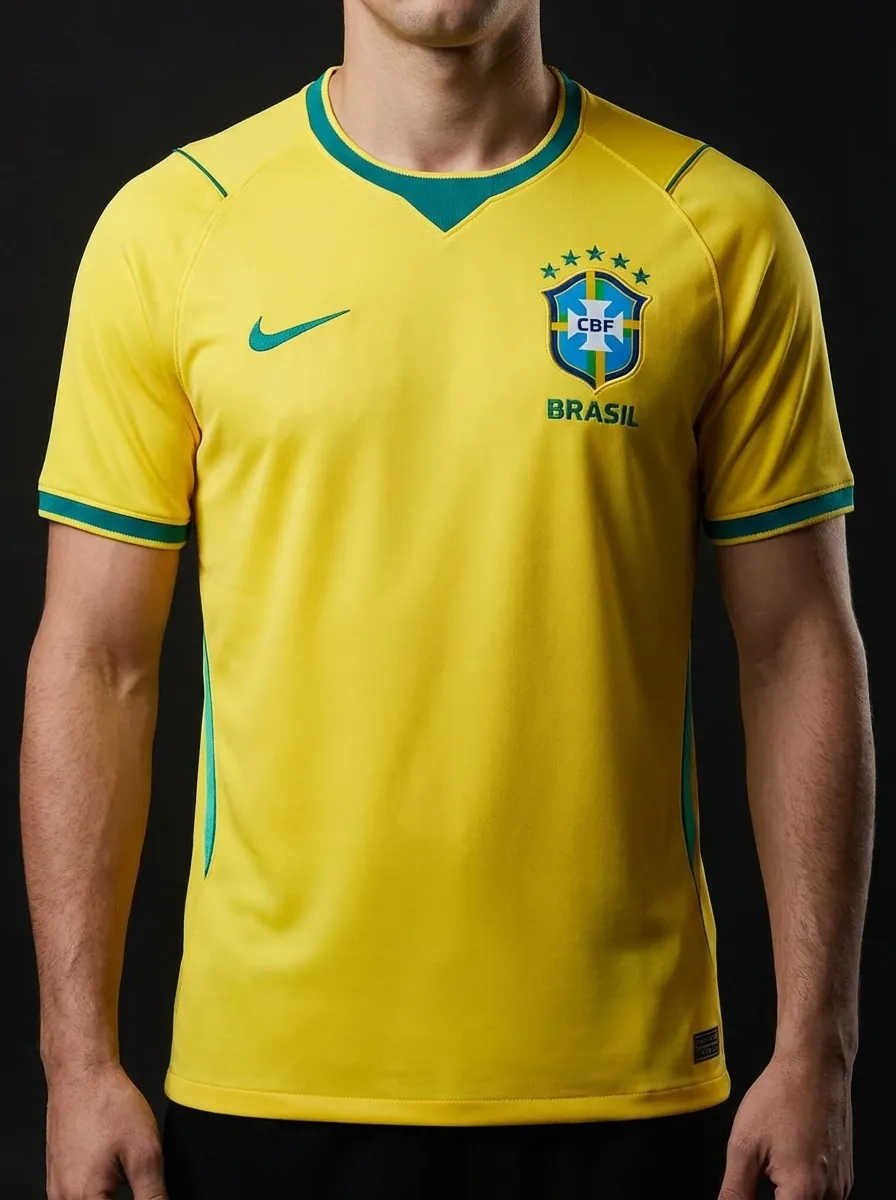
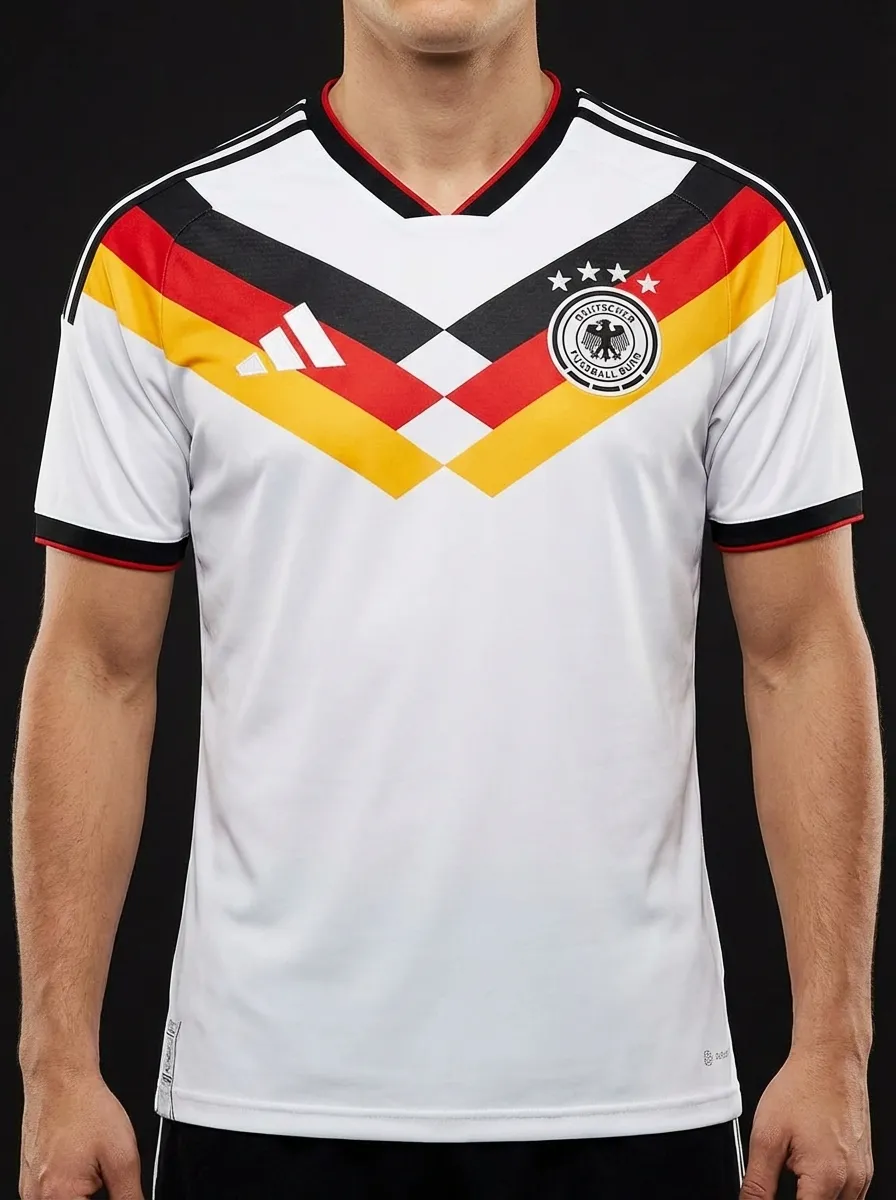
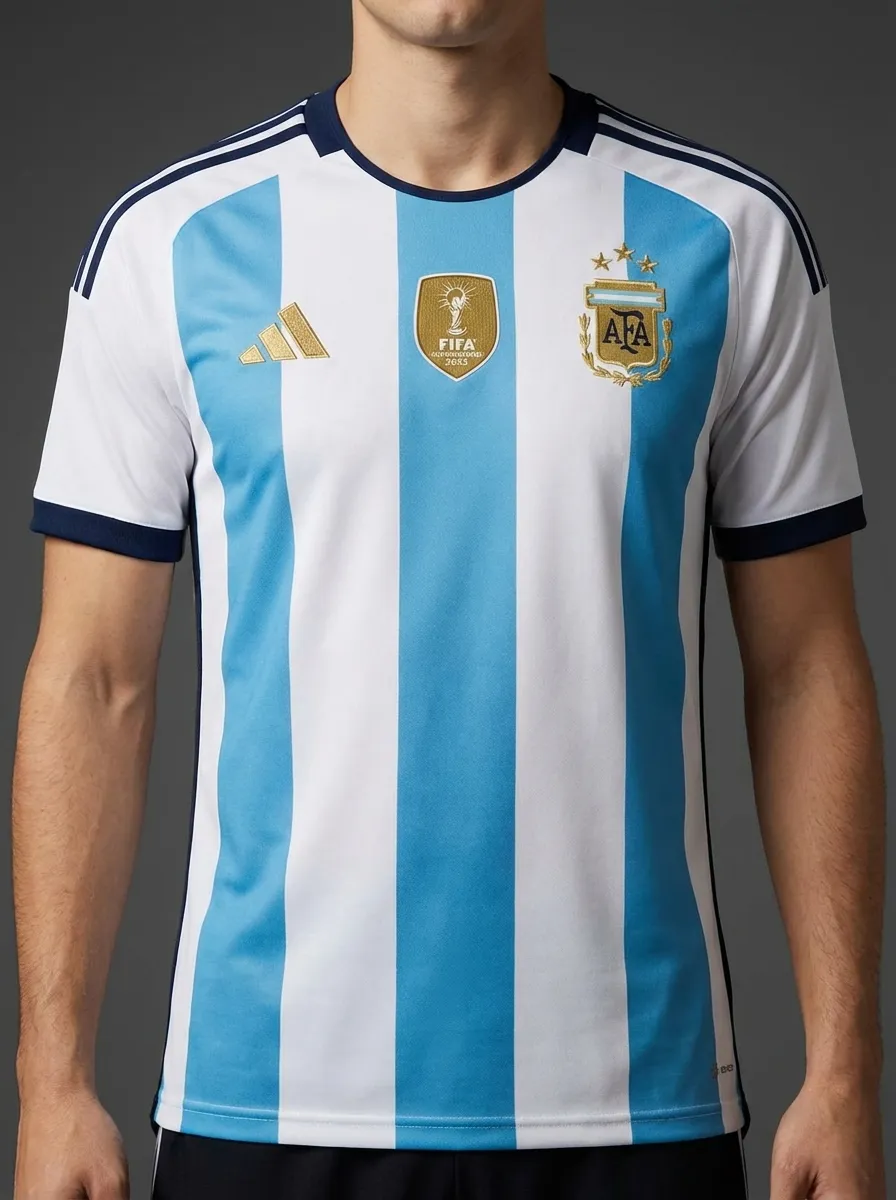
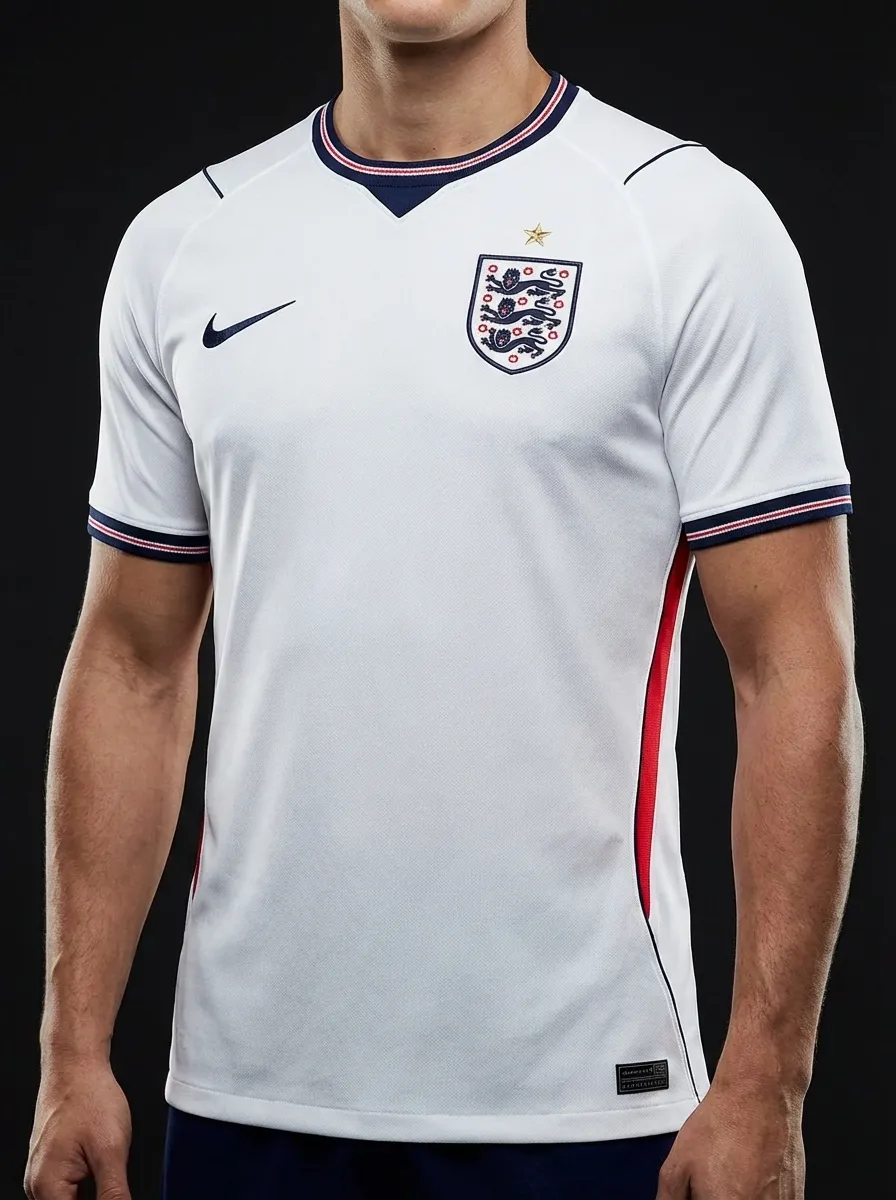
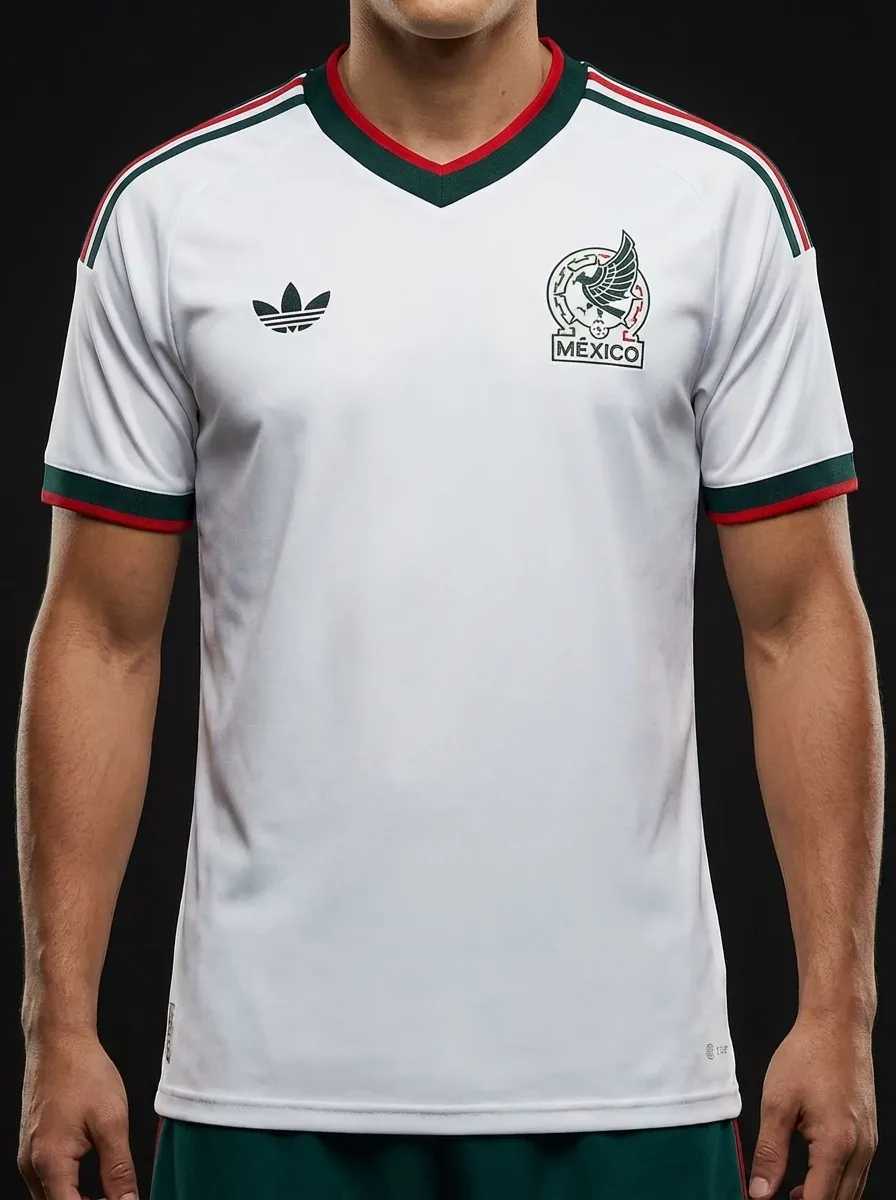
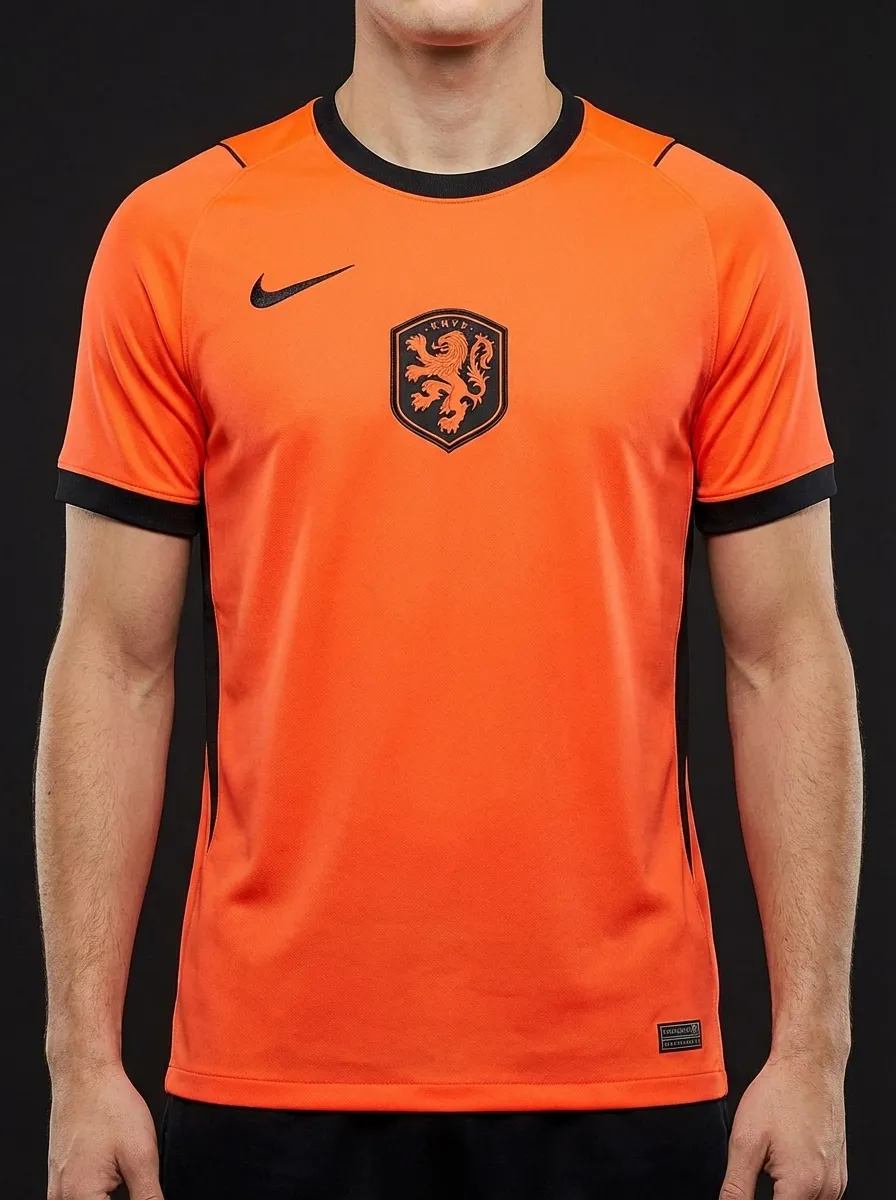
Retro shirts are the best football purchase. They are also the easiest to get scammed on.
Buying a retro football shirt for the first time is an emotional experience. You're not buying clothing — you're buying a time machine. The Brazil 1970 shirt your dad watched Pelé in. The Italia 90 shirt your family TV was tuned to during Gazza's tears. The 1994 Romania shirt your uncle still talks about for some reason.
The problem is that retro football shirts are also one of the easiest things to fake on the internet. The market is full of replicas, reissues, "remakes" and outright counterfeits. As a beginner, the difference between a real 1990 West Germany shirt and a 2024 Chinese knockoff is genuinely hard to see in product photos.
This is the guide I wish I had when I bought my first retro shirt: how to define the product, ask for useful evidence and avoid confusing an original, official reissue and modern reproduction.
Choose the product class before the seller
- Original-era shirt: manufactured during the season or tournament it represents.
- Official reissue: a later licensed product that recreates an older design.
- Modern reproduction: a later remake whose licensing and maker must be checked rather than assumed.
- Counterfeit: an unauthorised product presented with protected branding or as something it is not.
Those categories are not interchangeable. A reissue can be a good shirt without being an original, while an original needs much stronger provenance than a current official product page.
Where to research
Official brand archives and clearly identified reissues give you a useful baseline. Specialist retailers can provide product descriptions and condition notes. Marketplaces and private sellers can surface unusual shirts, but FKB does not certify every listing on any platform. The more distant the seller is from the original product source, the more evidence you should request.
Our retro finder uses labelled searches rather than pretending to authenticate live inventory. Classic Football Shirts, Amazon and other retailer routes remain starting points; inspect the exact seller, product, photos and terms after opening them.
Eight checks before buying a retro shirt
- Identity: write down the team, season, variant, audience, maker and whether the claim is original or reissue.
- Provenance: ask how the seller obtained it and whether any receipt, product record or ownership history exists.
- Labels and codes: request legible photos of every interior label and compare them with a reliable reference for that exact product.
- Era maker: confirm which company made that team’s shirts in the claimed season. A later maker logo may identify a reissue rather than an original.
- Construction: compare badge, sponsor, stitching, fabric and measurements with the exact reference; no single visual detail proves authenticity alone.
- Original photographs: require front, back, labels, flaws and close-ups instead of relying only on catalogue imagery.
- Seller record: read recent feedback, check whether descriptions are consistent and ask direct questions before paying.
- Returns and payment: understand the platform protection, return window and what evidence would be required if the item is misdescribed.
Price is a warning signal, not an authentication method. A cheap shirt is not automatically fake and an expensive shirt is not automatically genuine.
Five useful designs to research first
- Brazil 1970: a famous design with many later interpretations, which makes original-versus-reissue labelling essential.
- Mexico 1998: the Aztec design; check the exact manufacturer and product era.
- Nigeria 1994: distinct from later Nigeria releases and reissues.
- England 1990: a heavily reproduced design where labels and measurements matter.
- Argentina 1986: verify the Le Coq Sportif era rather than assuming every striped shirt is the same product.
The 25 best World Cup kits ever ranking gives you more designs to explore, while the fake-shirt guide covers current seller checks.
What not to do as a beginner
- Do not use a universal price floor as proof of authenticity.
- Do not rely on stock photos when the condition and labels of one physical shirt matter.
- Do not treat a seller’s use of “vintage”, “retro” or “official” as evidence.
- Do not confuse the design year with the manufacturing year.
- Do not dismiss an official reissue; just make sure it is described as a reissue.
Build a collection because the shirts mean something to you, not because somebody promises a future resale return. Save the designs you like, document what each product actually is and compare evidence before price.