

Hosting a World Cup is supposed to be an advantage. Mostly it isn't.
The instinct is obvious. You're playing in front of your own fans, in your own climate, in stadiums you know, with crowd noise on your side. Surely hosting a World Cup gives you a meaningful advantage. Surely the host nation has an inside track on lifting the trophy.
Surely. And yet — only six host nations have ever won the World Cup on home soil in tournament history. Six. Out of 22 tournaments. And three of those wins came before 1970. The pattern is brutal: hosting isn't an advantage in the modern era, it's a curse.
Here's why, and what the 2026 hosts are walking into.
The complete list of host winners
- 1930 — Uruguay won at home (also the first ever World Cup)
- 1934 — Italy won at home
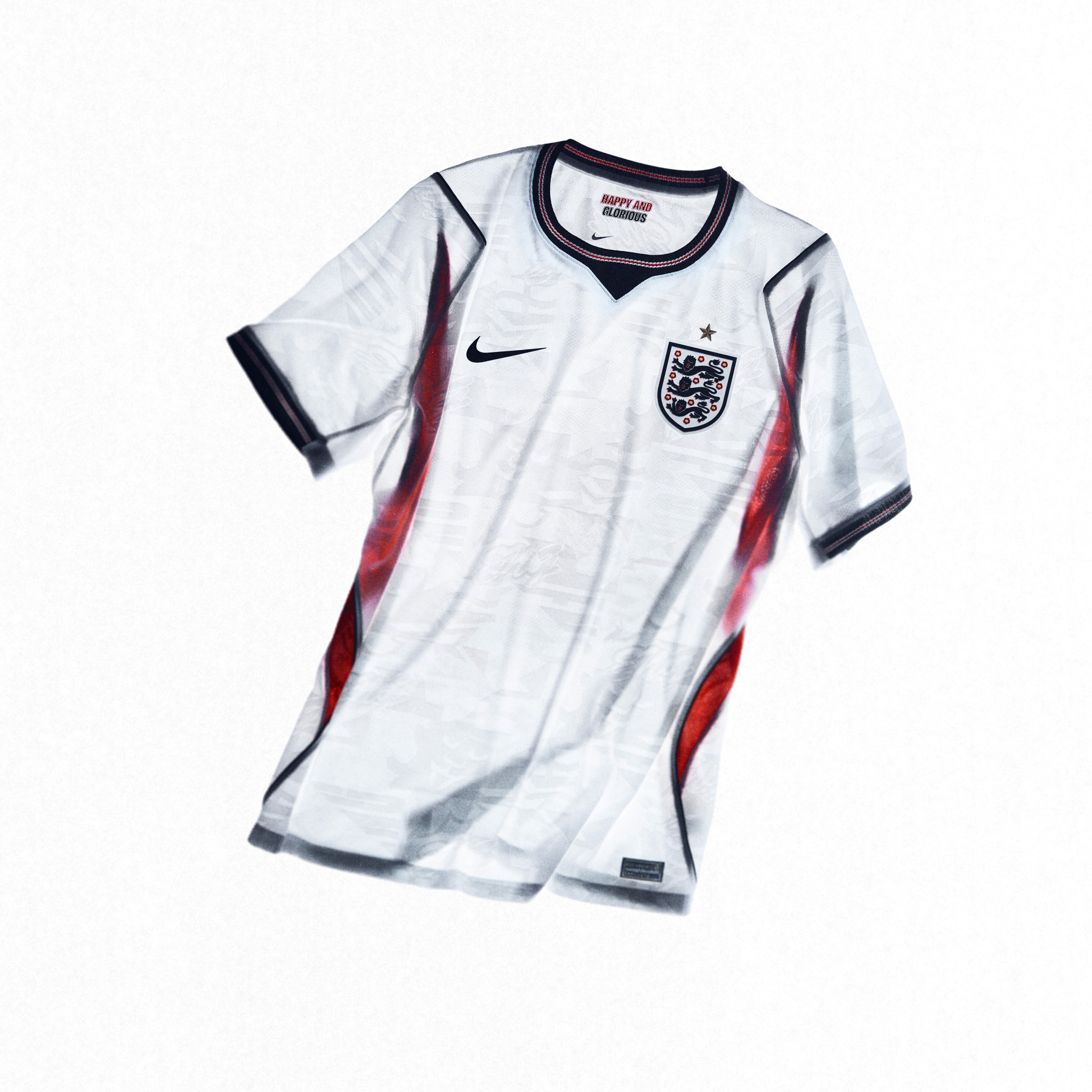
- 1966 — England won at home (the only time)
- 1974 — West Germany won at home
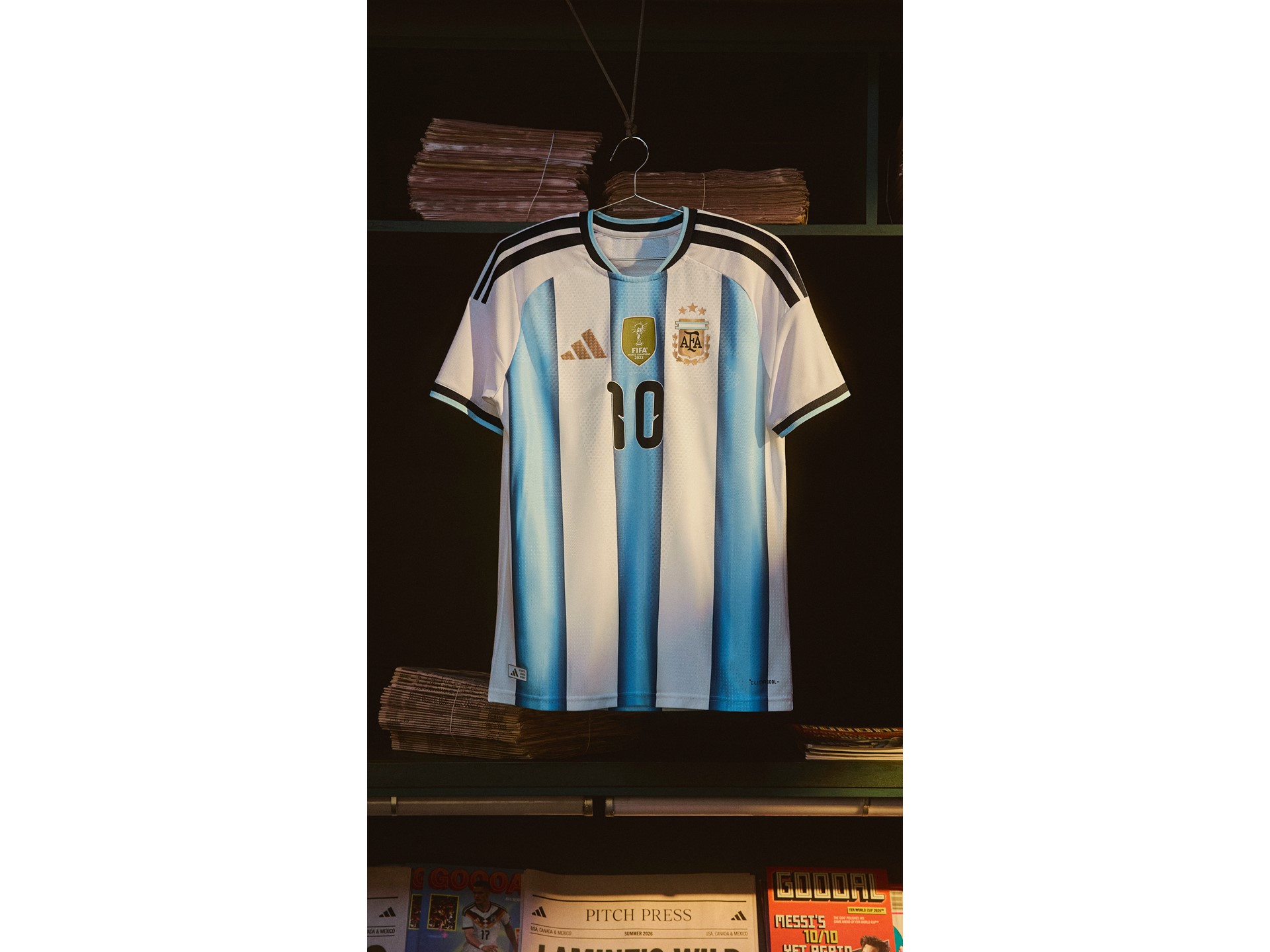
- 1978 — Argentina won at home
- 1998 — France won at home (the most recent host winner)
That's the entire list. Six times. Out of 22 tournaments. And the most recent example is now 28 years old. Every host nation since 1998 has failed to lift the trophy on home soil:
- 2002 — Japan/South Korea co-hosts. South Korea reached the semi-finals, Japan reached the round of 16. Brazil won.
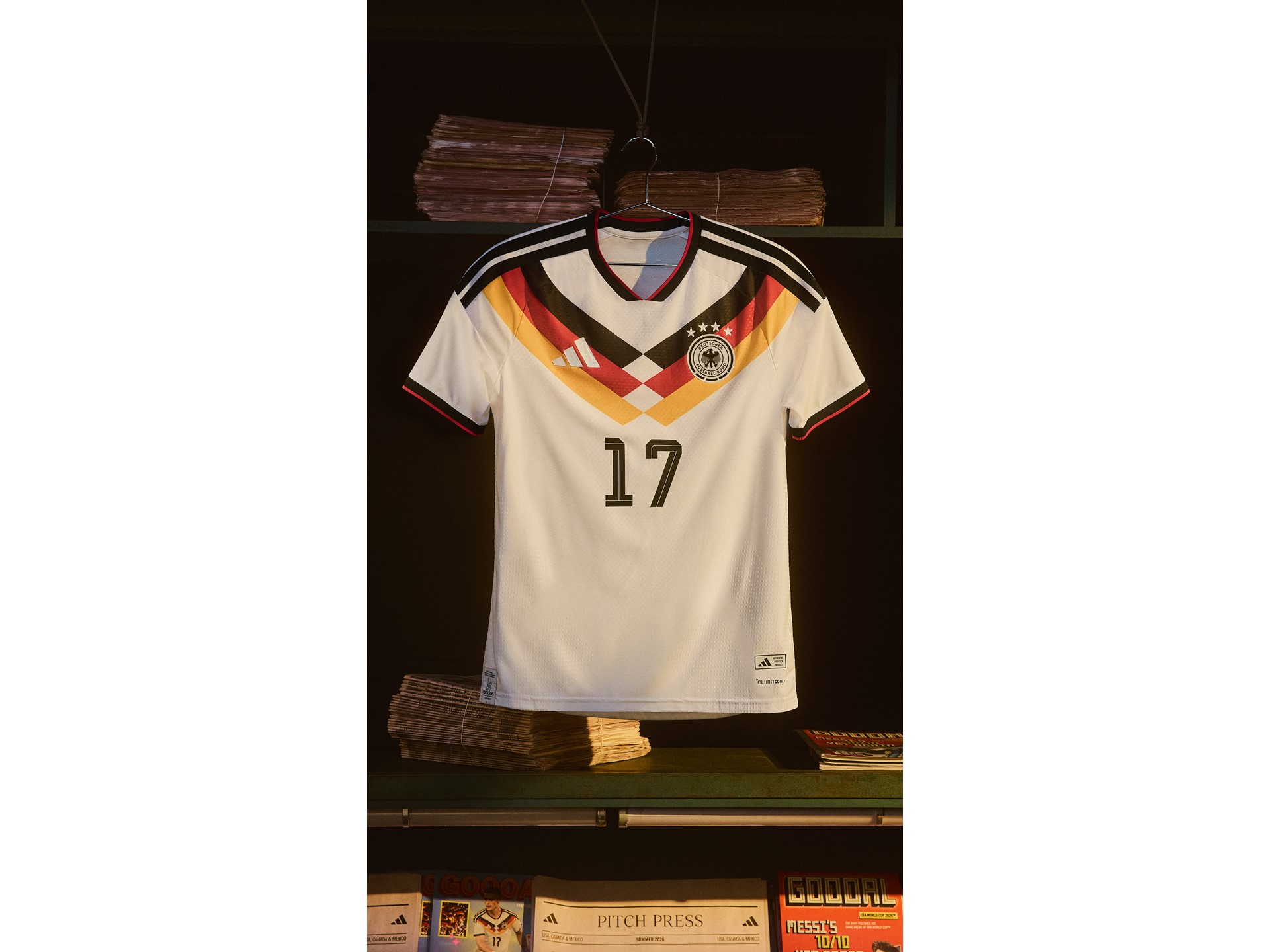
- 2006 — Germany. Reached the semi-finals at home. Italy beat them. Italy won the tournament.
- 2010 — South Africa. The first host nation in World Cup history to be eliminated at the group stage on home soil. Spain won.
- 2014 — Brazil. Reached the semi-finals and lost 7-1 to Germany in the most famous home humiliation ever. Germany won the tournament.
- 2018 — Russia. Reached the quarter-finals, beating Spain on penalties. France won.
- 2022 — Qatar. Lost all three group games. The worst host performance in tournament history. Argentina won.
That's six straight tournaments where the host failed to win. The 1998 France win is genuinely the only post-colour-TV-era home triumph. Everything since has been a host nation eliminated short of glory.
Why hosting is actually a disadvantage
The reason isn't supernatural. It's structural.
1. Pressure
The host nation plays every single match in front of fans who genuinely expect to win the trophy. There's no escape. Every group-stage performance is judged against final-winning standards. By the time the host reaches the knockouts, they've been carrying tournament-final pressure for three weeks.
Compare that to a touring team like Argentina at Qatar 2022. Argentina arrived as favourites but only the Argentine fans expected a win. The Qatari fans wanted Qatar to win. The Saudi fans wanted Saudi Arabia. The pressure was distributed. For Argentina, every win was a relief; every loss was data. For Qatar, every match was a referendum on the tournament hosting decision itself.
2. Squad expectations
Hosting nations get qualifying spots automatically. That's a privilege. But it also means they often haven't been through the brutal qualifying process that toughens up other teams. Look at Qatar 2022 — auto-qualifying as hosts meant they didn't play meaningful competitive football for two years before the tournament started. They turned up cold and lost three group games.
This will partly affect the 2026 hosts. USA, Mexico and Canada have all played CONCACAF Nations League football and Gold Cup matches in the run-up, so they're not as cold as Qatar was. But they still haven't been through the kind of make-or-break qualifying campaigns that the European nations grind through.
3. Unfamiliar opponents
This is the underrated problem. Host nations spend years scouting opponents they think they'll meet — but the actual draw can throw up matchups they haven't prepared for. The 2002 South Korea team is a famous exception (they drew their toughest matches deliberately). Most hosts find themselves facing unfamiliar opponents in the knockouts and look unprepared.
What this means for the 2026 hosts
Three host nations. Three different sets of expectations.
USA
The biggest of the three hosts and the one with the most public pressure. The American football media will treat any USMNT result as a referendum on the entire 2026 hosting campaign. The squad is the strongest US side in 20 years and there's a real argument that the round of 16 is a baseline expectation. Anything less than that will be treated as failure.
Realistic ceiling: quarter-finals. Anything more is a tournament moment. Anything less is a media disaster.
Mexico
The Mexican team has a long, painful history of underachieving at major tournaments. They've reached the quarter-finals only twice — in 1970 and 1986, both as hosts. The pressure of hosting always coincides with their best results, which is the closest the host curse gets to being broken. Mexico fans are quietly hoping 2026 fits the pattern.
Realistic ceiling: quarter-finals on home soil. Mexican home crowds at the Estadio Azteca remain one of the great football atmospheres on Earth and that genuinely matters in single-elimination knockouts.
Canada
Canada are at their second-ever World Cup (after 1986 and 2022). The squad has improved dramatically over the past five years. Realistic expectations are still group stage, but Canada are not the cannon fodder side they were three years ago. A round of 16 appearance would be a massive moment.
Realistic ceiling: round of 16. Anything beyond that is a tournament fairy tale.
The interesting question — does the 48-team format change anything?
2026 is the first 48-team World Cup. The format favours hosts in one specific way: with 32 teams qualifying for the round of 16 (out of 48 in the group stage), it's much harder for a host nation to crash out at the group stage like Qatar did. The third-placed teams safety net effectively guarantees that any host with a competent squad reaches the knockouts.
That's a meaningful change to the host curse pattern. The new format means we'll almost certainly have all three 2026 hosts in the round of 32. From there, the historical pattern reasserts itself: hosts struggle in single-elimination knockouts against well-prepared, lower-pressure opponents.
Watch this prediction come true
My realistic call: none of the three 2026 hosts will win the tournament. Argentina, France, Brazil, Spain, England are all more likely to lift the trophy than any of the host nations. The 28-year drought since France 98 will probably continue.
The two host teams most likely to overperform: Mexico (because of the Azteca crowd advantage) and USA (because of squad depth). The host with the highest ceiling is USA. The host with the most fairy-tale potential is Canada.
If you want to back a different prediction, pick yours in the free 2026 World Cup predictor. Or check what fan voting on kits is suggesting in the live Kit Clash leaderboard — sometimes the kit popularity tracker is a better forecaster than the bookies.