You don't need another t-shirt. So why are you spending £75 on this one?
Football shirt purchasing is one of the most genuinely irrational consumer behaviours that economically rational adults engage in. You almost certainly already own enough t-shirts. The shirt you're about to buy isn't materially better than a £15 generic one. It will probably look worse after a wash. And yet every World Cup, millions of people queue.
The reason isn't clothing. It's identity. Here's the actual psychology behind why people buy the World Cup kit they buy.
1. The home nation buy — "this is who I am"
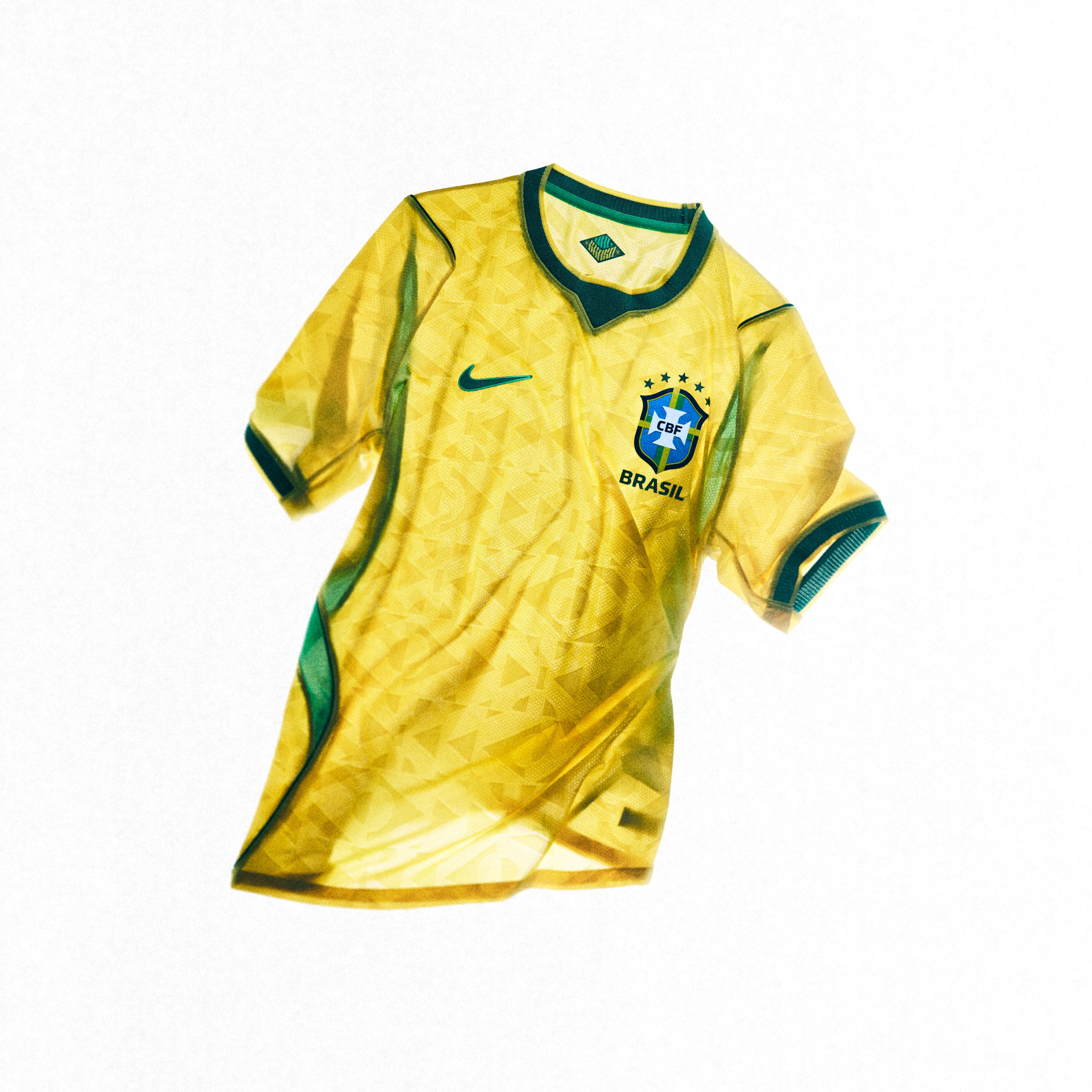
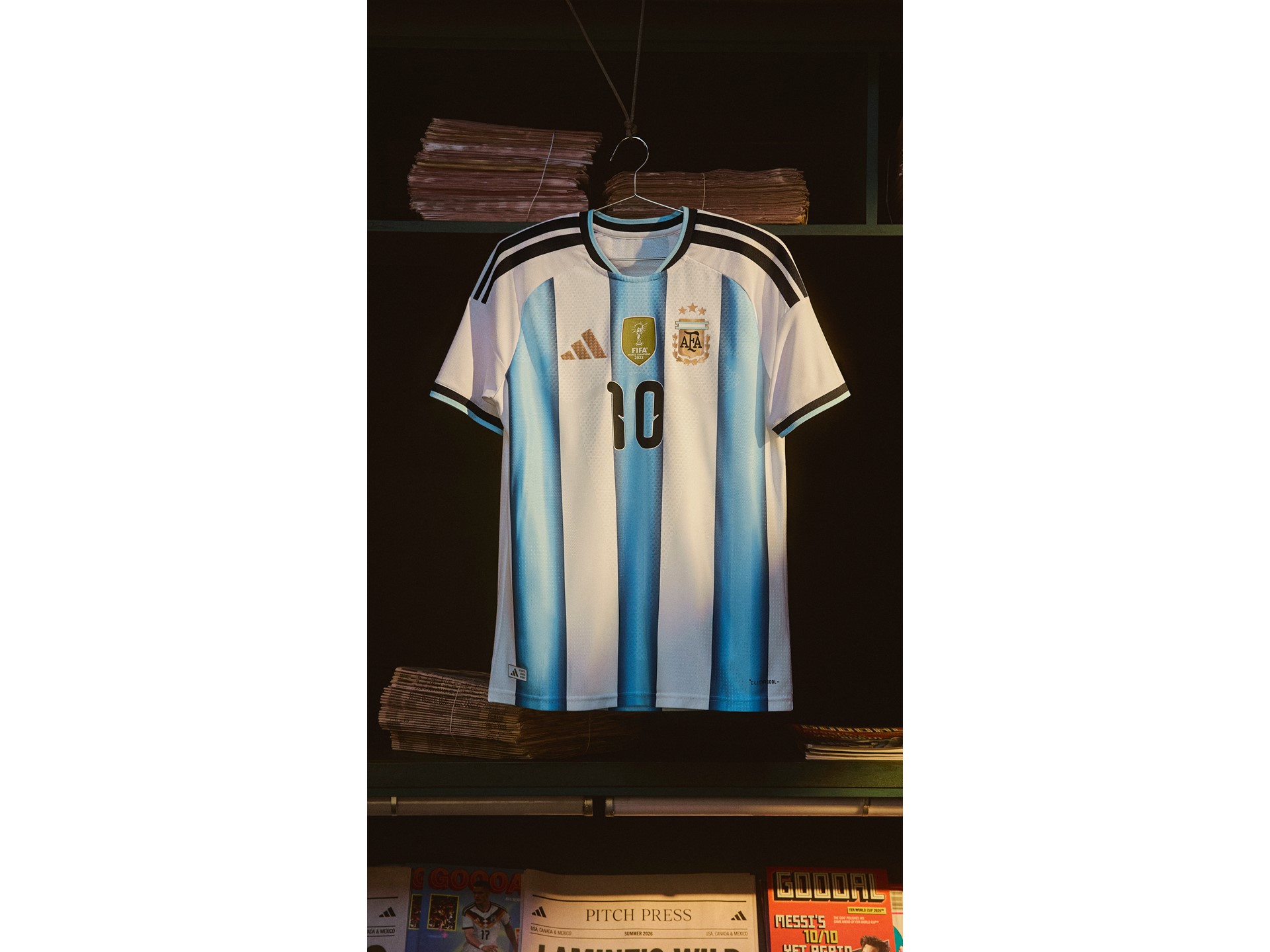
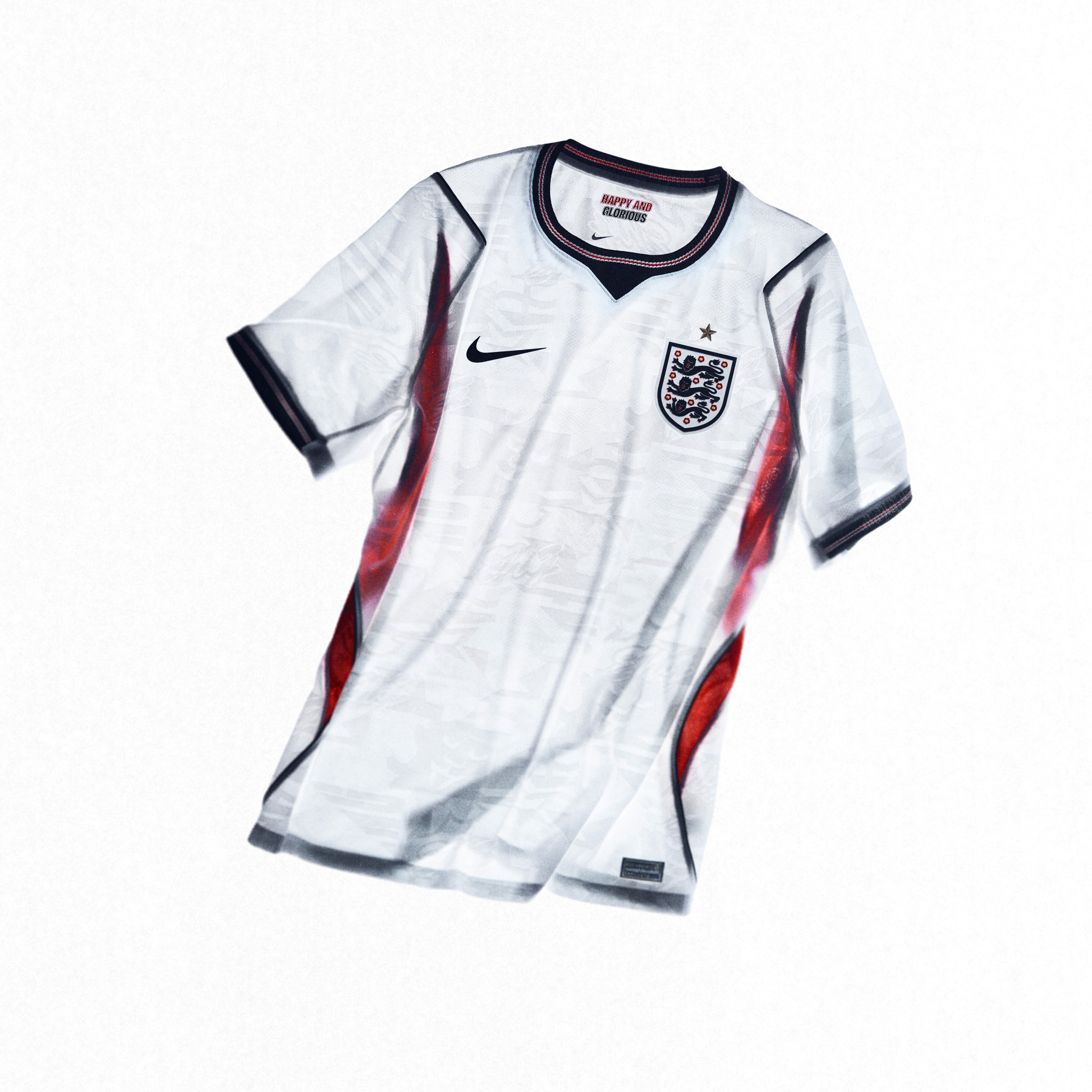
The most common purchase. England kit for an English fan. Brazil kit for a Brazilian fan. Argentina kit for an Argentine fan. The kit functions as wearable national identity. The buyer isn't picking a fashion item — they're declaring tribal affiliation.
This is why home-nation kit sales spike to absurd levels in tournament years. England shirts in the UK between May and August 2026 will be one of the highest-selling clothing items in the country, full stop. Brazil shirts in Brazil will outsell every other piece of Brazilian-made apparel combined. The shirt isn't a product, it's a flag with sleeves.
2. The diaspora buy — "this is who I am, twice over"
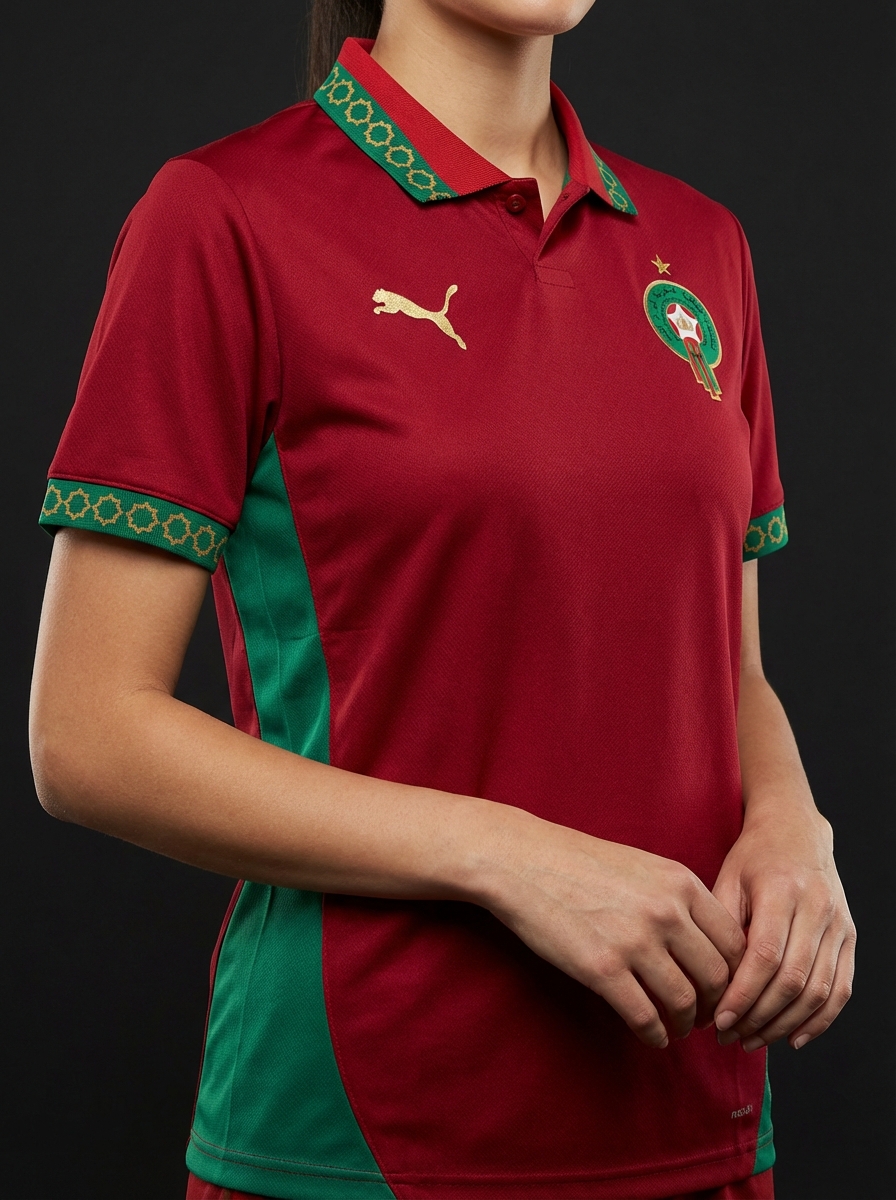
Second-generation immigrants and diaspora communities are the most under-discussed kit-buying segment in football. A second-generation Moroccan-British 19-year-old in London buys the Morocco shirt because it expresses an identity their birth country hasn't quite seen. A Mexican-American kid in LA buys the Mexico shirt because their American friends don't get it but their grandmother absolutely does.
The kit becomes a bridge. Wearing it says "I belong to this lineage even though I live somewhere else". For the 2026 World Cup specifically — hosted in the United States, the country with the largest international football diaspora on Earth — this purchase pattern is going to drive enormous volume across every team's kit sales.
3. The rebellion pick — "I'm not buying what everyone else is buying"
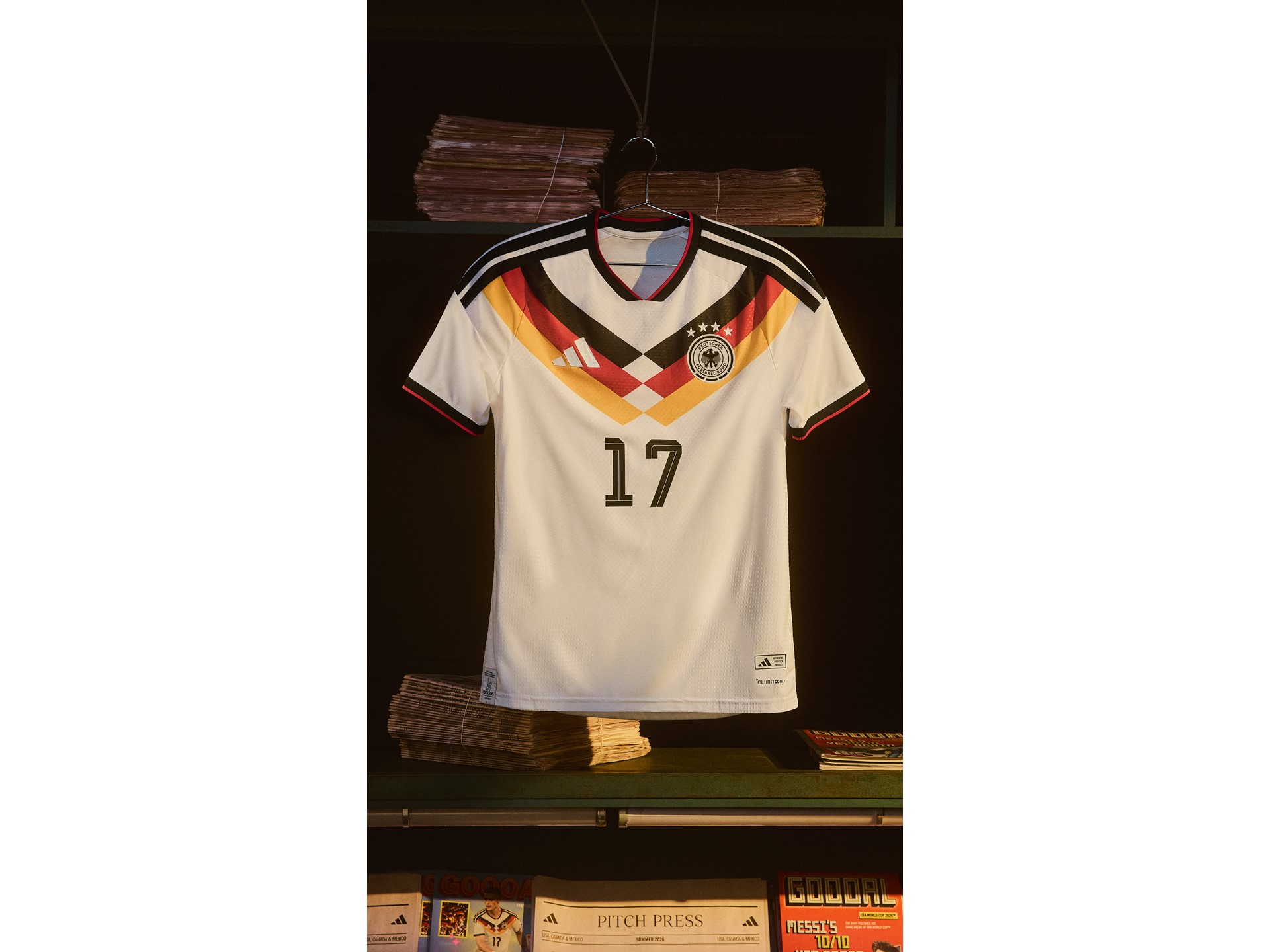
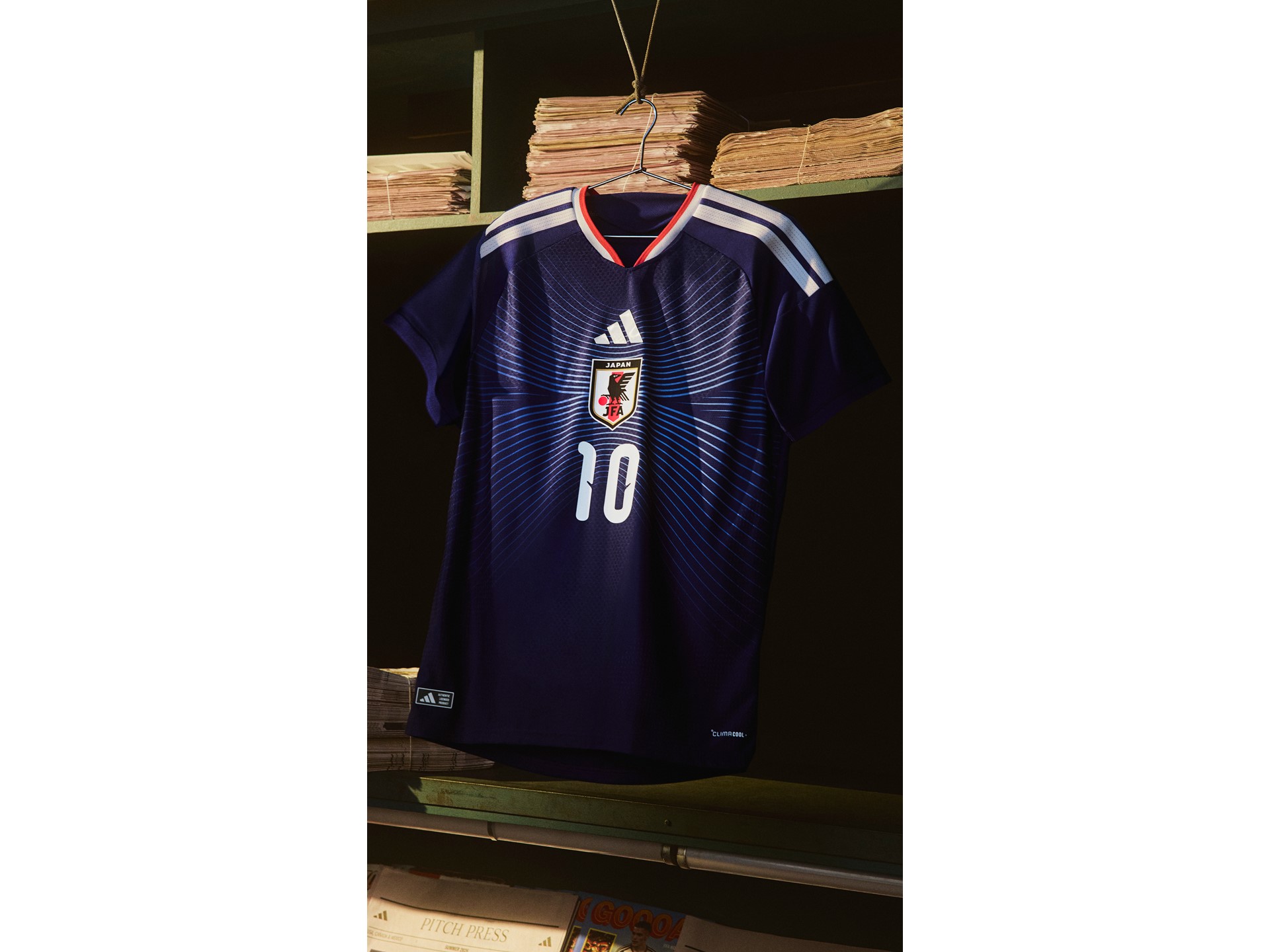
The third major buying motivation is contrarian. Some fans deliberately avoid the obvious team kits because they don't want to look like everyone else. They pick Japan instead of England. They pick Senegal instead of France. They pick Croatia instead of Germany.
The rebellion pick is usually framed as taste — "I just like this kit better" — but it's almost always partly about not joining the obvious crowd. There's social capital in wearing a non-obvious shirt that the kit-literate community recognises. It signals depth of football interest in a way that wearing a Brazil shirt doesn't.
4. The dark horse bet — "I'm calling this team early"
This is the smartest buying motivation. The fan picks a team they think is going to outperform expectations and buys their shirt before the tournament starts. If the team has a good run, the buyer was first. If they don't, the buyer at least owns an interesting shirt nobody else has.
The 2022 example is Morocco. Anyone who bought a Morocco shirt before the World Cup started looked like a genius after the semi-final run. The shirt doubled in resale value within a week. The buyer's identity went from "guy who picks weird teams" to "guy who saw it coming". See our 2026 dark horse predictions for the six teams most likely to enable this buying psychology in 2026.
5. The nostalgia buy — "my dad wore this"
Retro shirt sales are driven almost entirely by nostalgia, and the nostalgia is rarely the buyer's own. It's usually inherited. The 23-year-old buying the 1990 England shirt wasn't alive in 1990. They're buying the shirt their dad wore on the sofa during Italia 90. They're buying the shirt their family photo from that summer was taken in. The shirt is a time machine for someone else's memory.
Classic Football Shirts have built an entire business on this. People buy the shirts of teams they didn't watch in eras they weren't alive for. The nostalgia is genuine but it's borrowed. See our best 25 kits ever ranking for the templates that drive this purchasing pattern hardest.
6. The kit collector — "I just like football shirts"
The smallest segment by volume but the highest in spend per buyer. Football shirt collectors don't buy a kit because of the team, the player, the nostalgia or the identity. They buy because the design is good. They have 30+ shirts in their wardrobe. They follow FootyHeadlines, SoccerBible, Classic Football Shirts and Reddit's r/footballshirts. They know which Adidas templates were worn by which African nations in which qualifying campaign.
Collectors are who Footy Kits Battle is built for. If you've read this far in a blog post about football kit psychology, there's a good chance you're one. The Kit Clash voting game exists because of you.
The crossover buyer — kit as fashion
The newest and fastest-growing segment is the fashion buyer. These are people who don't really watch football but who think football shirts look good as casual wear. They wear the shirt to brunches. They post fit pics on Instagram. They've probably bought a Brazil shirt (the 1970 retro), a Nigeria shirt (the 1994 retro), a Mexico shirt (the 1998 Aztec), and an Inter Miami Messi shirt at minimum.
This crossover audience has grown by 10x in the past five years. It's why retro shirts are now reissued constantly. It's why brands collaborate with non-football fashion partners. It's why the Brazil x Jordan collab exists. The fashion buyer is now too economically significant for the brands to ignore.
What this means for buying your 2026 kit
If you're picking a 2026 World Cup kit and you're not sure why you want what you want, run through the six motivations above. One of them is probably yours.
- Home nation buy → most safe, most expected, most rewarding when your team wins. All 48 team pages here.
- Diaspora buy → buy the country your family is from. Even if it doesn't qualify, retro versions are available.
- Rebellion pick → see our dark horse collection for the smartest contrarian options.
- Dark horse bet → buy Morocco, Japan, Senegal or Ecuador before the tournament starts.
- Nostalgia buy → see our 25 best kits ever ranking and pick a retro reissue from the era your family remembers.
- Collector / fashion buy → pick the kit that looks best to you regardless of the team. The full visual gallery is here.
The shirt is never just a shirt. That's why £75 makes sense.