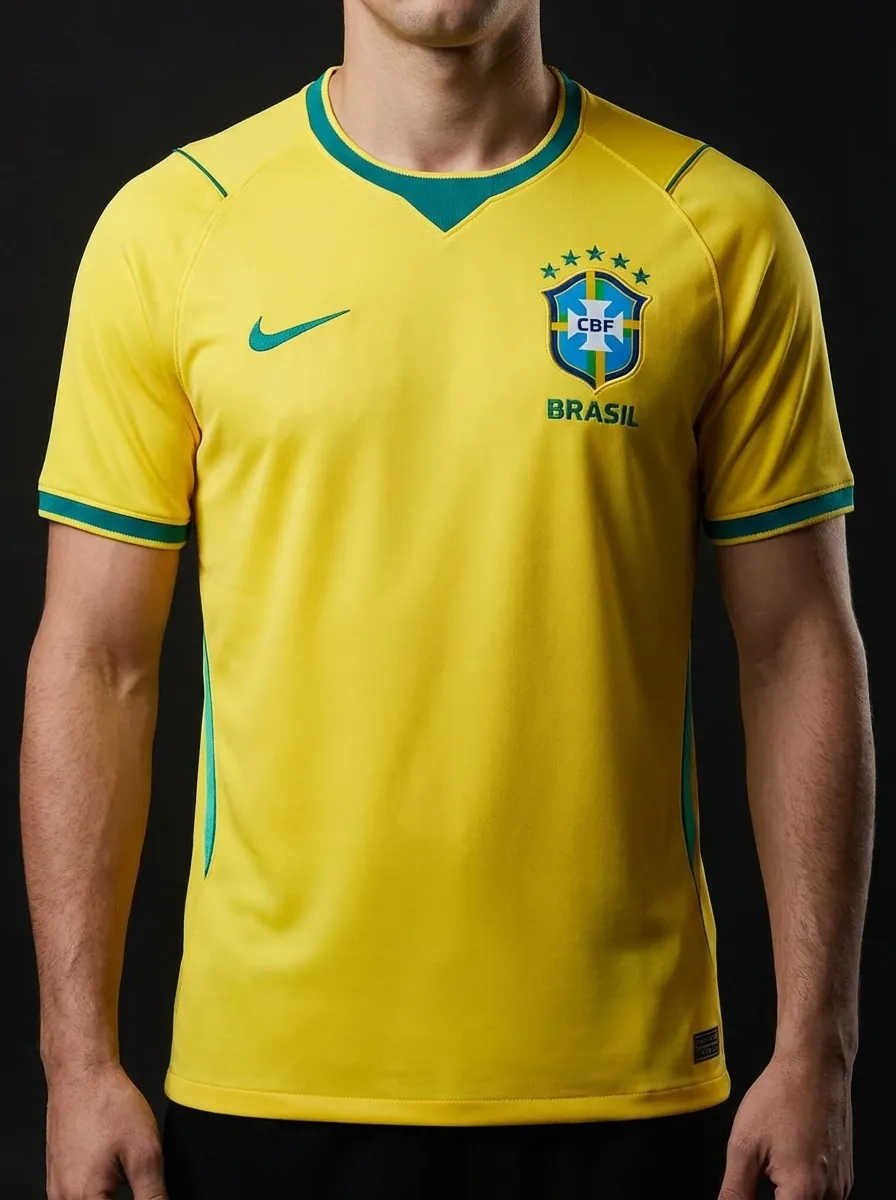
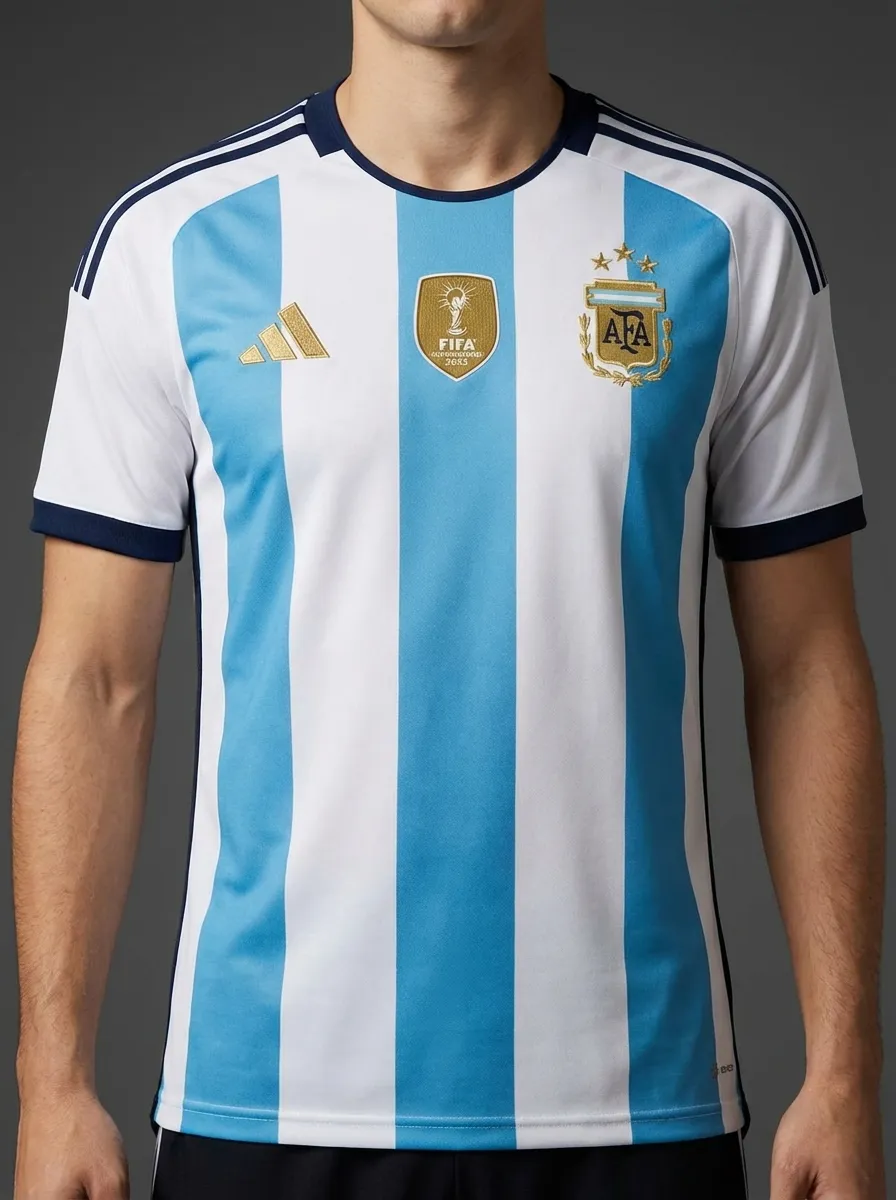
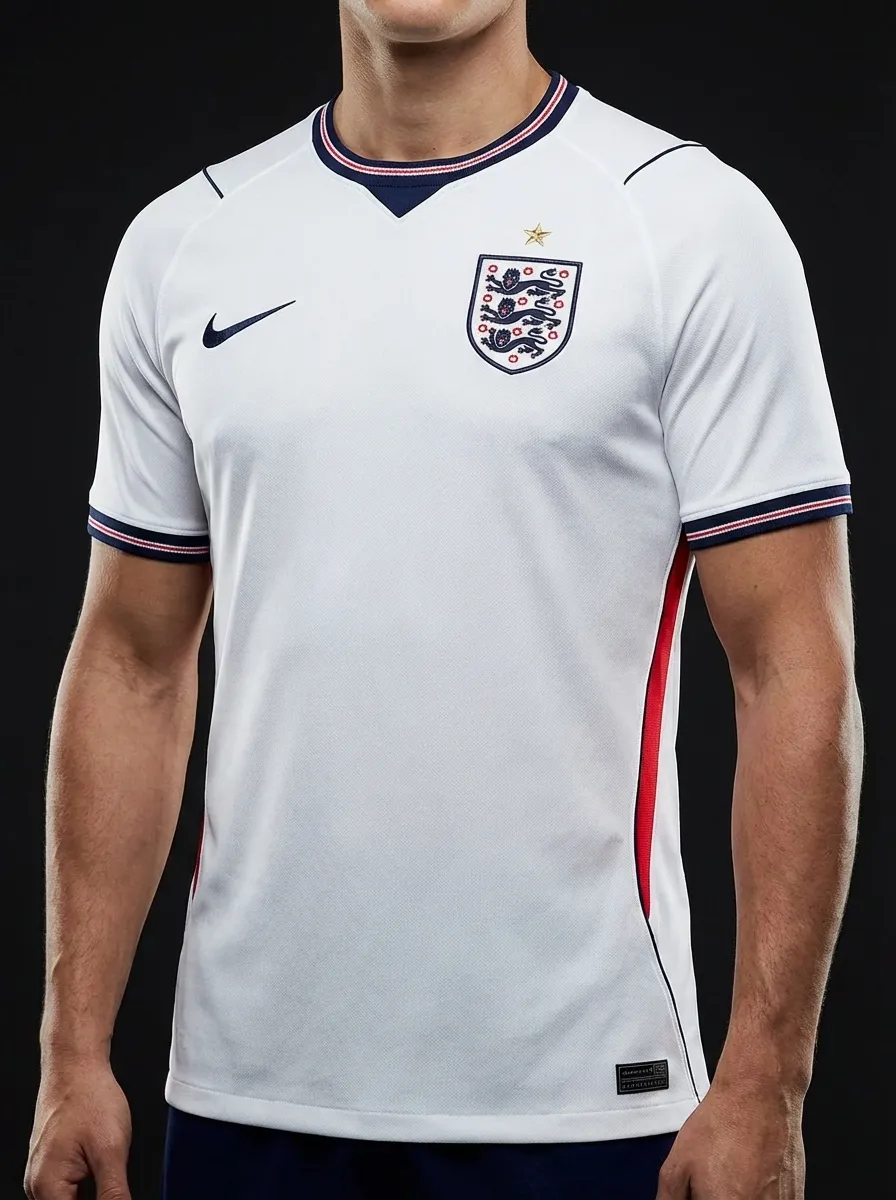
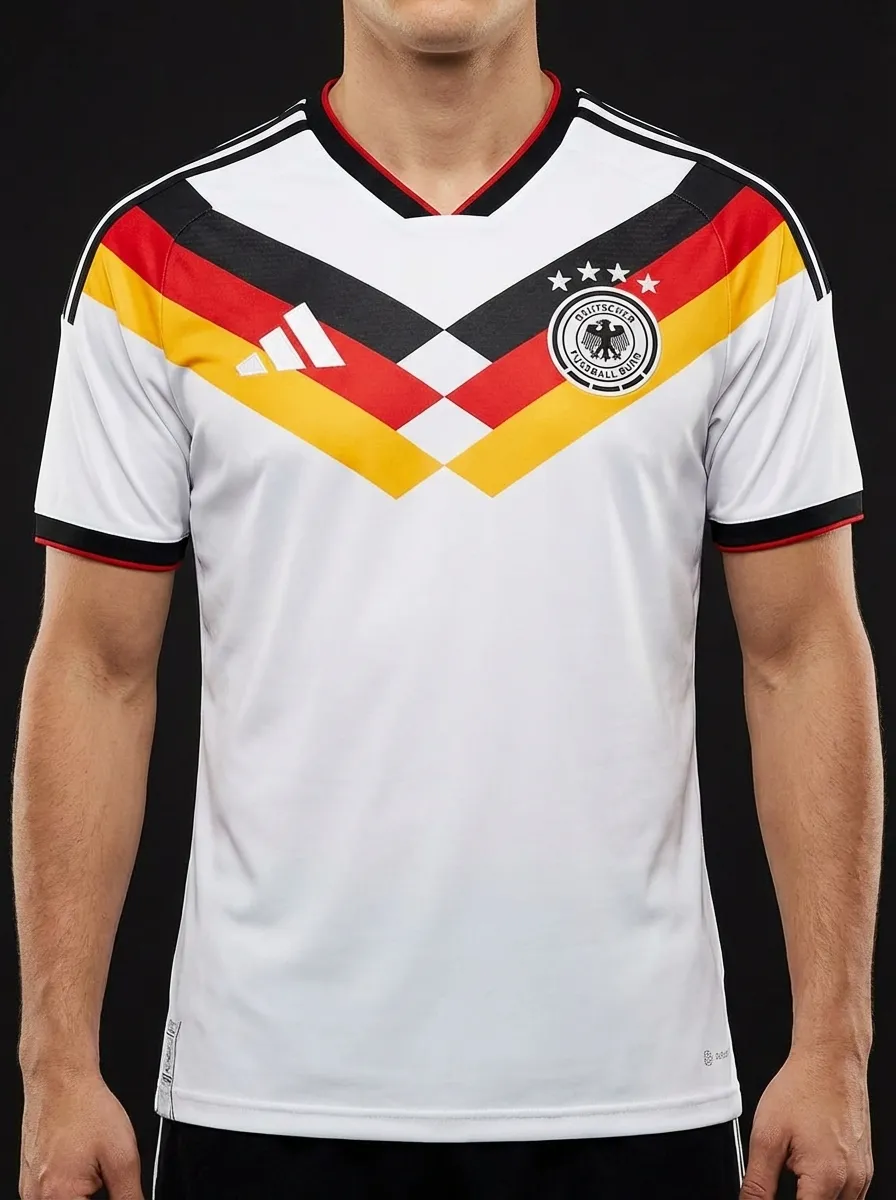
You probably do not need another shirt. So why does this one matter?
Football-shirt buying is rarely a pure clothing decision. You may already own enough tops, yet one team, tournament or design can still carry a meaning that an unbranded item does not.
The reason isn't clothing. It's identity. Here's the actual psychology behind why people buy the World Cup kit they buy.
1. The home nation buy — "this is who I am"
The most common purchase. England kit for an English fan. Brazil kit for a Brazilian fan. Argentina kit for an Argentine fan. The kit functions as wearable national identity. The buyer isn't picking a fashion item — they're declaring tribal affiliation.
Home-nation shirts become especially visible in tournament years because they work like flags with sleeves. That cultural role is clear; exact sales rankings are not something FKB claims without retailer or manufacturer evidence.
2. The diaspora buy — "this is who I am, twice over"
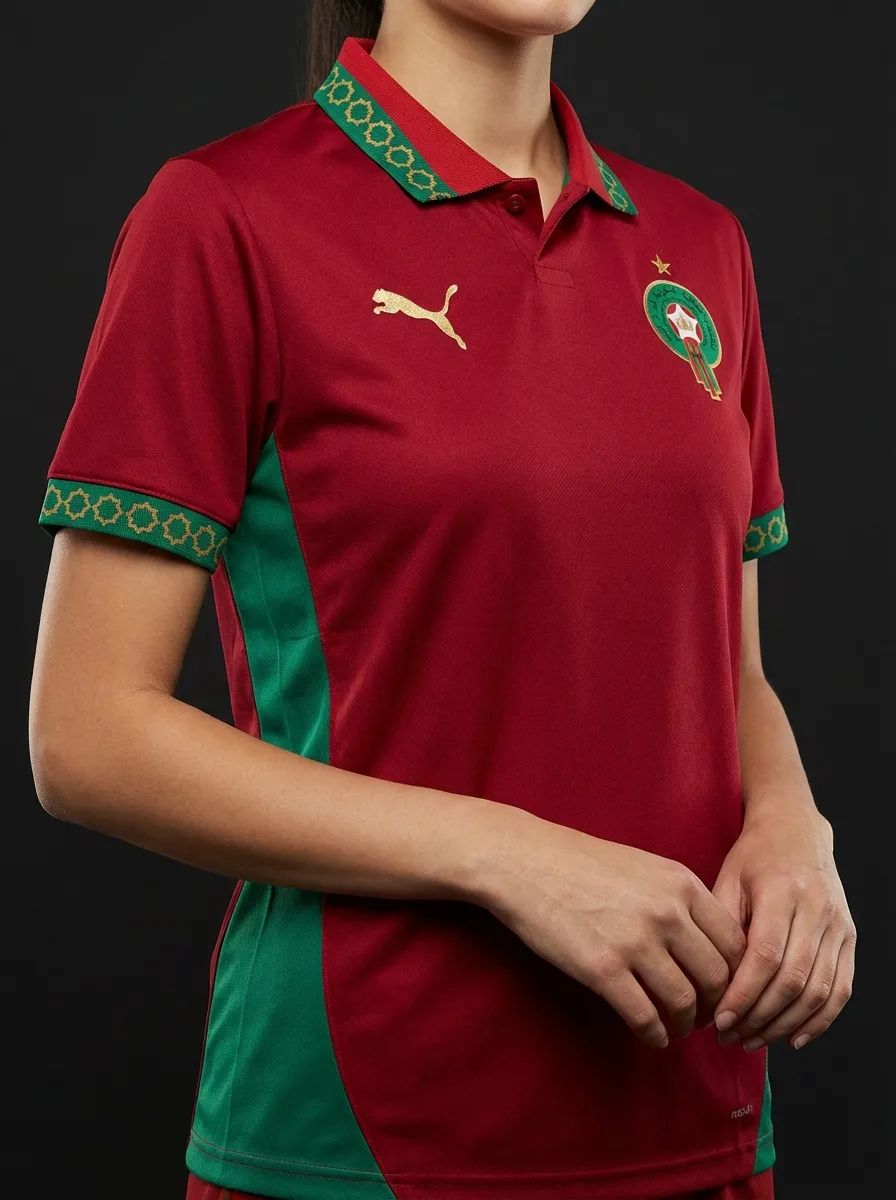
Second-generation immigrants and diaspora communities are the most under-discussed kit-buying segment in football. A second-generation Moroccan-British 19-year-old in London buys the Morocco shirt because it expresses an identity their birth country hasn't quite seen. A Mexican-American kid in LA buys the Mexico shirt because their American friends don't get it but their grandmother absolutely does.
The kit becomes a bridge. Wearing it says "I belong to this lineage even though I live somewhere else". A World Cup hosted across North America gives that diaspora identity unusual visibility, but FKB does not turn that cultural observation into an unsupported sales-volume forecast.
3. The rebellion pick — "I'm not buying what everyone else is buying"
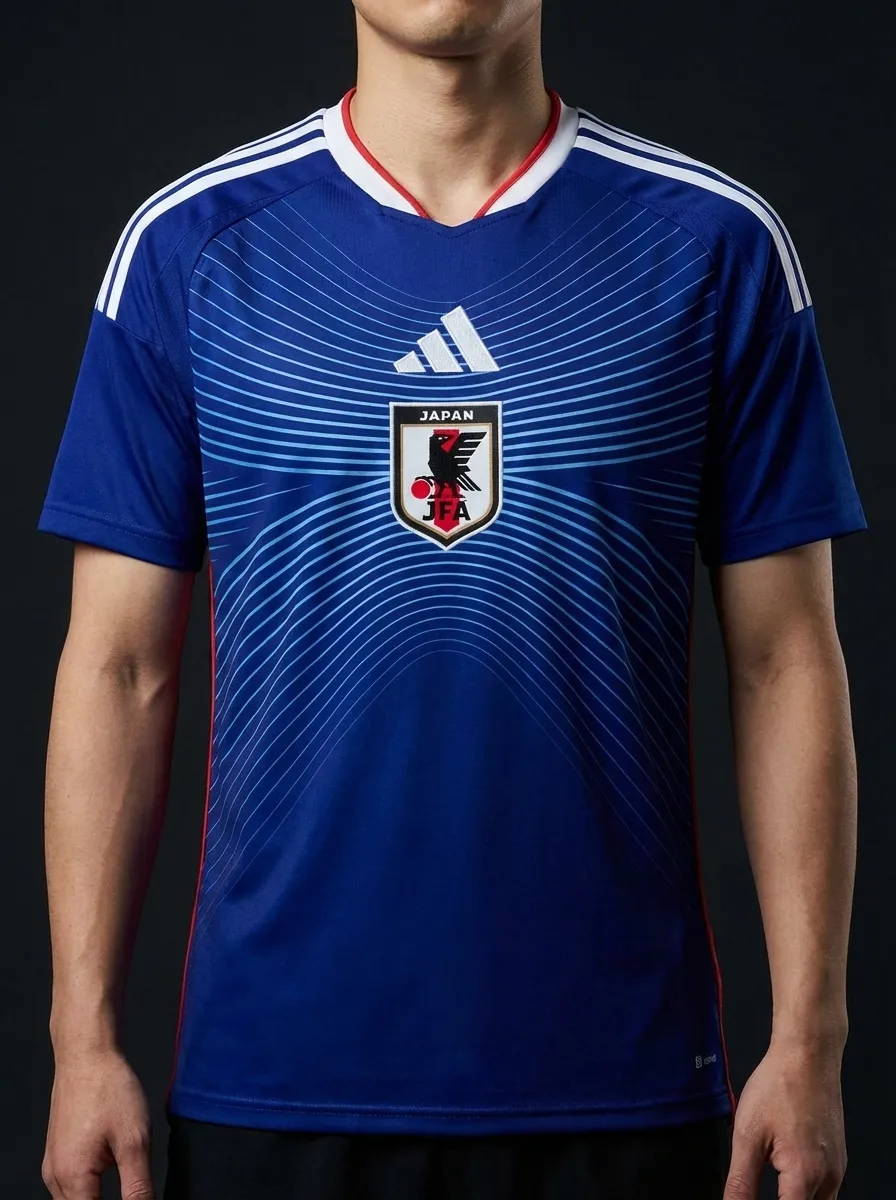
The third major buying motivation is contrarian. Some fans deliberately avoid the obvious team kits because they don't want to look like everyone else. They pick Japan instead of England. They pick Senegal instead of France. They pick Croatia instead of Germany.
The rebellion pick is usually framed as taste — "I just like this kit better" — but it's almost always partly about not joining the obvious crowd. There's social capital in wearing a non-obvious shirt that the kit-literate community recognises. It signals depth of football interest in a way that wearing a Brazil shirt doesn't.
4. The dark horse bet — "I'm calling this team early"
This is the football-prediction choice. The fan picks a team they think may outperform expectations and chooses the shirt because they want to follow that story. A good run can add cultural meaning, but it does not prove scarcity, future value or a deadline to buy.
Morocco’s 2022 semi-final run is a good example of a shirt acquiring new cultural meaning during a tournament. That does not make a shirt an investment or justify a resale-price prediction. See our 2026 dark horse predictions for the football case rather than a buying forecast.
5. The nostalgia buy — "my dad wore this"
Retro-shirt interest is often driven by nostalgia, and that nostalgia can be inherited. The 23-year-old choosing the 1990 England design may not have been alive in 1990; the connection can come from a parent, an old family photo or the stories attached to Italia 90. The shirt becomes a time machine for someone else's memory.
Specialist archives and retailers show how much interest exists in teams and eras a buyer did not watch live. The nostalgia can still be genuine even when it is borrowed. See our best 25 kits ever ranking for designs whose football stories explain that appeal.
6. The kit collector — "I just like football shirts"
Dedicated football-shirt collectors can choose a kit primarily because the design is good rather than because of one team or player. They may follow FootyHeadlines, SoccerBible, specialist retailers and Reddit's r/footballshirts, and know which Adidas templates were worn by which African nations in a qualifying campaign. FKB does not claim an unsupported segment size or spend figure.
Collectors are who Footy Kits Battle is built for. If you've read this far in a blog post about football kit psychology, there's a good chance you're one. The Kit Clash voting game exists because of you.
The crossover buyer — kit as fashion
The fashion buyer is another visible segment: people who may not follow every match but like football shirts as casual wear. They style shirts away from matchday and share fit pictures, which helps older designs and collaborations reach audiences beyond traditional supporters.
This crossover audience is visible in retro reissues, styling content and collaborations with non-football fashion partners. The Brazil x Jordan project fits that pattern. Those examples support a cultural trend, not an invented tenfold growth or market-value statistic.
What this means for buying your 2026 kit
If you're picking a 2026 World Cup kit and you're not sure why you want what you want, run through the six motivations above. One of them is probably yours.
- Home nation buy → most safe, most expected, most rewarding when your team wins. All 48 team pages here.
- Diaspora buy → explore the country your family is from. If it does not qualify, a retro search may still surface relevant designs; verify the exact era, product and seller.
- Rebellion pick → see our dark horse collection for the smartest contrarian options.
- Dark horse pick → compare Morocco, Japan, Senegal or Ecuador for their design and football story, not a scarcity forecast.
- Nostalgia buy → see our 25 best kits ever ranking and pick a retro reissue from the era your family remembers.
- Collector / fashion buy → pick the kit that looks best to you regardless of the team. The full visual gallery is here.
The shirt is rarely just a shirt. Whether it is worth the current price is still an individual decision that starts with the exact product, fit and seller.