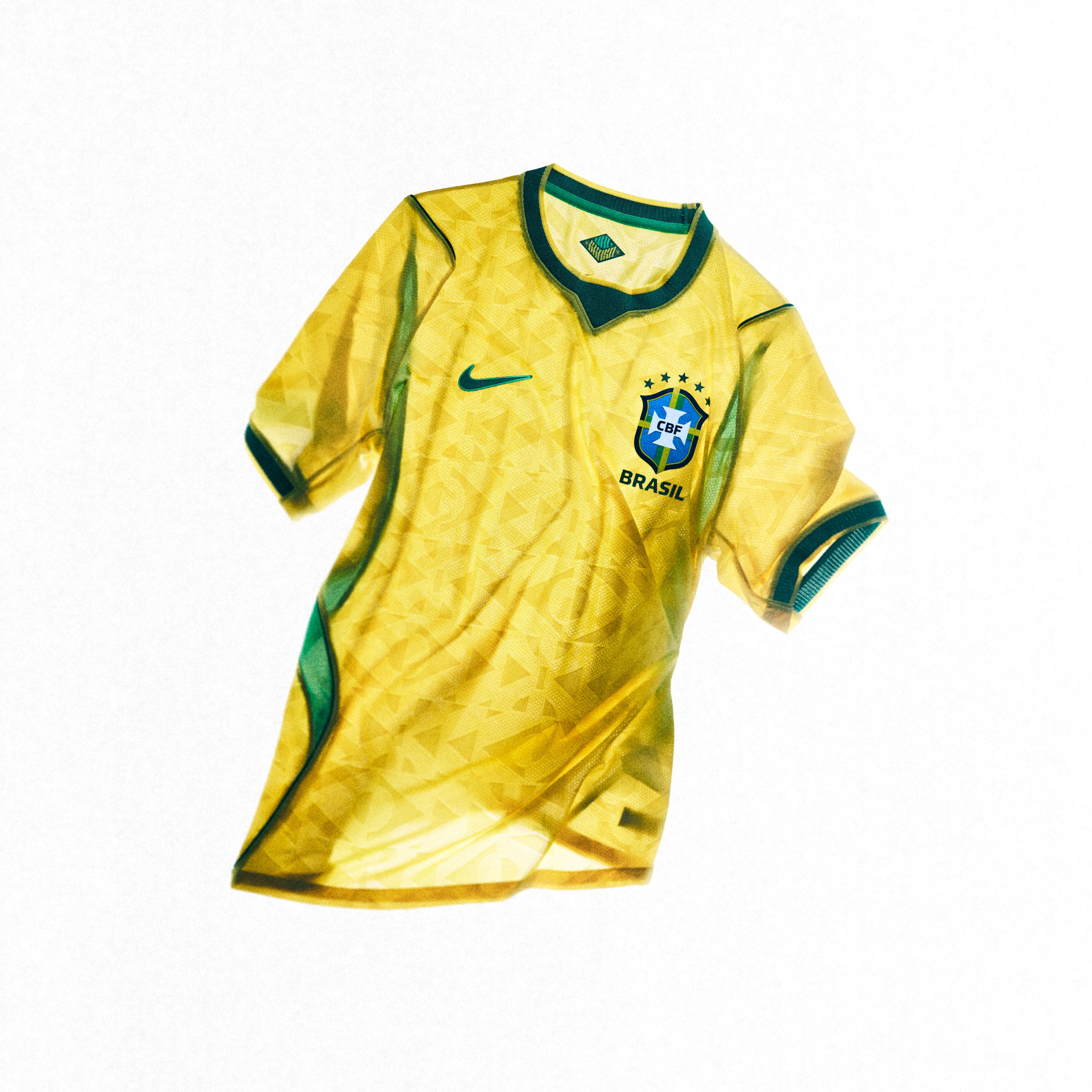
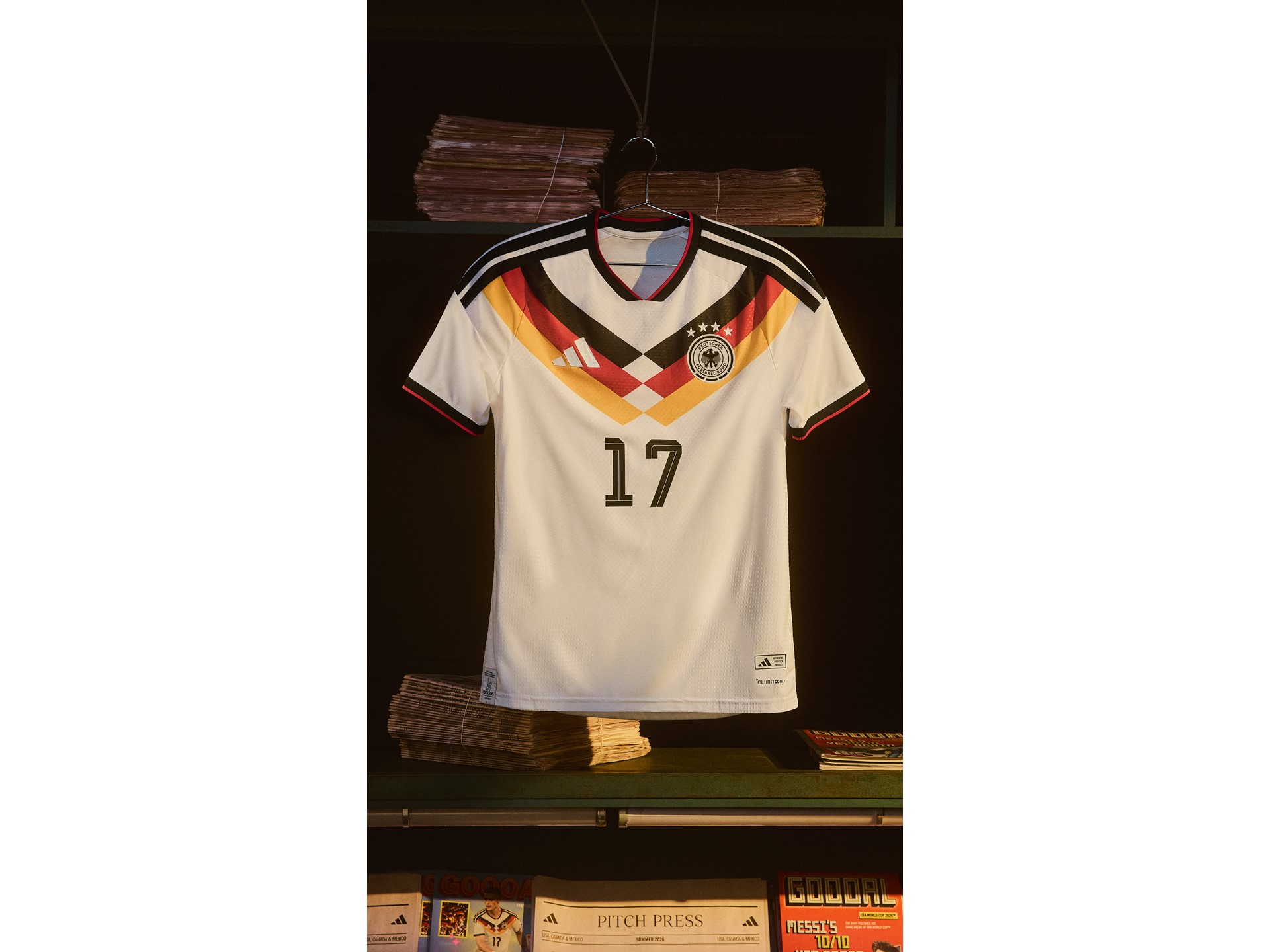
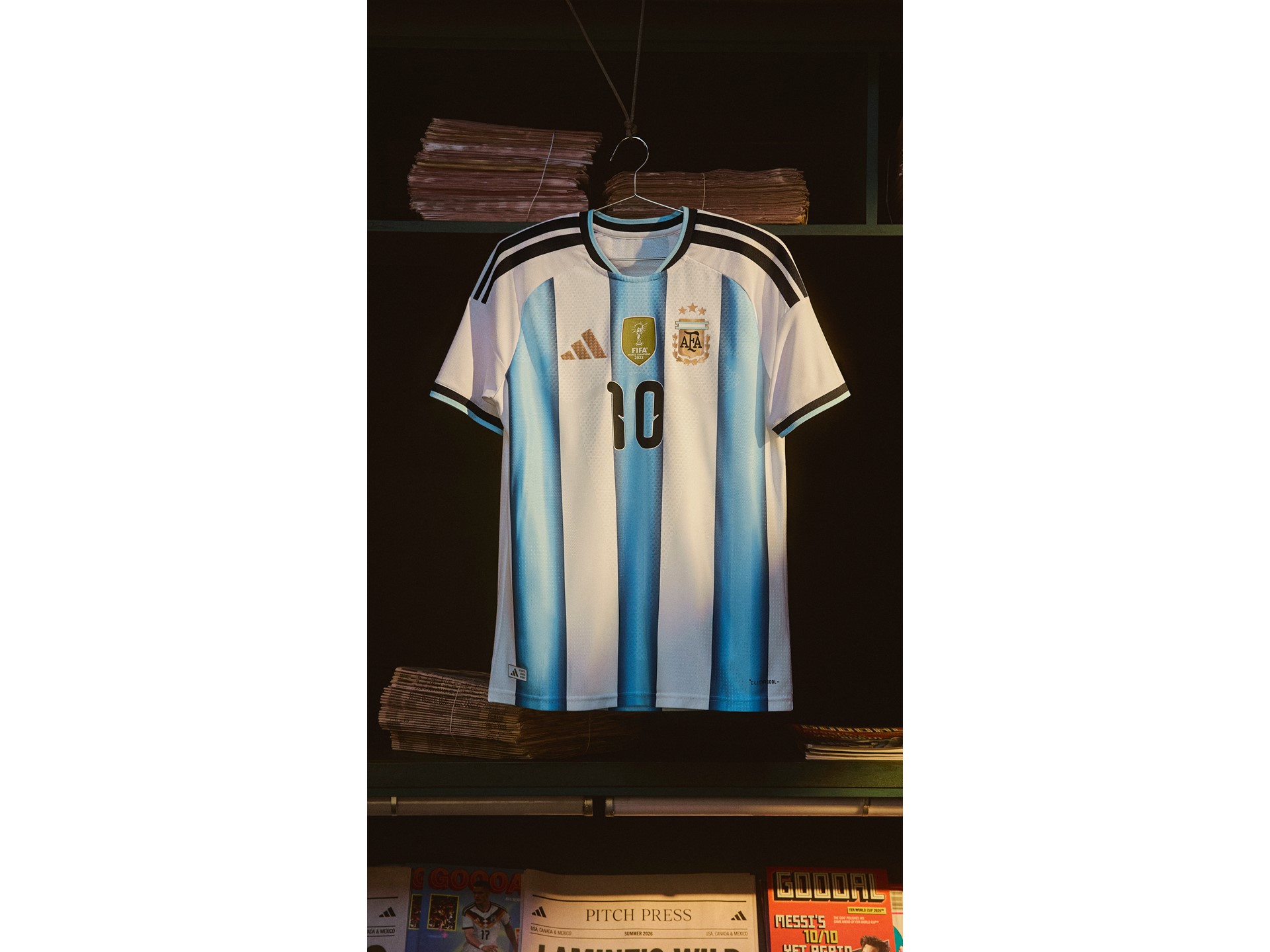
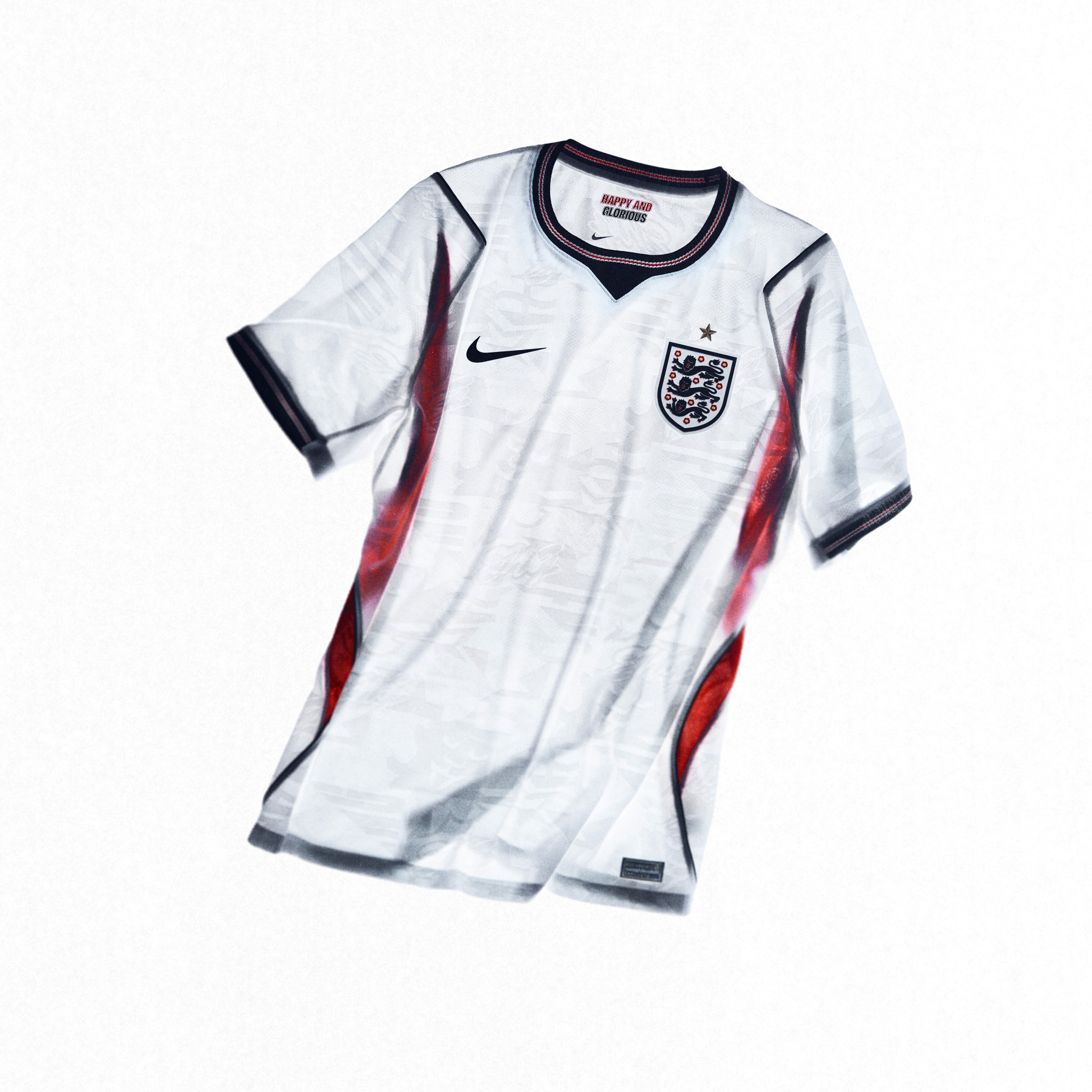
Retro shirts are the best football purchase. They are also the easiest to get scammed on.
Buying a retro football shirt for the first time is an emotional experience. You're not buying clothing — you're buying a time machine. The Brazil 1970 shirt your dad watched Pelé in. The Italia 90 shirt your family TV was tuned to during Gazza's tears. The 1994 Romania shirt your uncle still talks about for some reason.
The problem is that retro football shirts are also one of the easiest things to fake on the internet. The market is full of replicas, reissues, "remakes" and outright counterfeits. As a beginner, the difference between a real 1990 West Germany shirt and a 2024 Chinese knockoff is genuinely hard to see in product photos.
This is the guide I wish I'd had when I bought my first retro shirt. Where to look, how to authenticate, what to pay, and which kits are worth starting with.
Where to buy — ranked by safety
1. Classic Football Shirts (safest)
The largest dedicated retro football shirt retailer in the world. Based in Manchester. Curated inventory, professional authentication, return policy. Prices are higher than eBay but you're paying for the trust. If you're buying your first retro shirt, start here.
Browse classic World Cup retro kits via our shop.
2. Authorised brand reissues (Adidas, Nike, Puma)
Adidas in particular has reissued multiple iconic retro templates in recent years. The 2018 Nigeria reissue is the most famous example, but there have been Germany 1990 reissues, Argentina 1986 reissues, and various national-team retro drops. Buying directly from the brand or an authorised retailer guarantees authenticity at a known price.
3. Subside Sports + reputable kit specialists
Subside Sports and a small number of specialist UK retailers carry both retro and current kits with proper sourcing. Slightly higher prices than Amazon but the inventory is verified.
4. Amazon (mixed safety)
Amazon is fine for current-cycle kits but mixed for retro. The "retro football shirt" search returns a mix of legitimate reissues, authorised vintage stock, and unauthorised replicas from sellers based outside the UK. Always check the seller name. Sold by "Amazon EU" or known kit brands = safe. Sold by "Sportbrand999_UK" = high risk.
5. eBay (highest risk, highest reward)
eBay is where the rarest original-era shirts surface. It's also where most counterfeits live. If you're buying on eBay, only buy from sellers with 50+ feedback, 99%+ rating, and clear original photos (not stock images). Use PayPal for buyer protection. Assume any shirt under £40 is probably fake.
6. Facebook Marketplace + local resale (variable)
Sometimes a goldmine, sometimes a disaster. Local pickup means you can inspect the shirt before paying — that's the only safe way to buy from a non-professional seller.
How to authenticate a retro shirt before buying
Eight checks I run before buying any retro football shirt:
- The badge. Real era-specific shirts had embroidered or woven badges with raised threads. Fakes use printed badges that sit flat on the fabric. Zoom in on the listing photo — if the badge looks too smooth, that's a warning.
- The interior tags. Real shirts have era-specific brand labels. A 1990 Adidas shirt should have a 1990-era Adidas tag, not a 2020 one. Sellers who can't show interior tag photos are hiding something.
- The fabric weight. Original retro shirts were heavier (cotton or thick polyester blends) than modern reissues. If the listing photo shows the shirt looking thin and translucent in light, it's probably a modern reissue, not an original.
- The stitching. Original-era shirts have factory stitching consistent with the manufacturing era. 1990s shirts have slightly thicker, more visible thread. Fakes often have suspiciously perfect machine stitching.
- The era-specific manufacturer. Argentina's 1986 World Cup kits were made by Le Coq Sportif, not Adidas. Mexico's 1998 kits were made by ABA Sport, not Nike. If a "retro" shirt has the wrong era brand on it, it's a remake at best.
- Sponsor logos. Some retro shirts had sponsors that no longer exist. If the sponsor placement looks off or the logo is wrong, you're looking at a reproduction.
- The price. Genuine 1986 Argentina shirts in good condition cost £200+. If someone is selling one for £45, it's not real. Trust the price floor.
- The seller's other listings. Check what else they sell. Genuine vintage shirt sellers sell vintage shirts. Sellers who also sell phone cases and Bluetooth headphones are not retro experts.
What's worth the premium — best starter kits
If you're buying your first retro World Cup shirt, here are the safest five to start with. All are widely available, well-documented, and culturally significant.
- Brazil 1970 (~£60-£200 depending on quality). The most famous football kit ever made. Reissues are widely available. Original-era shirts are collector territory.
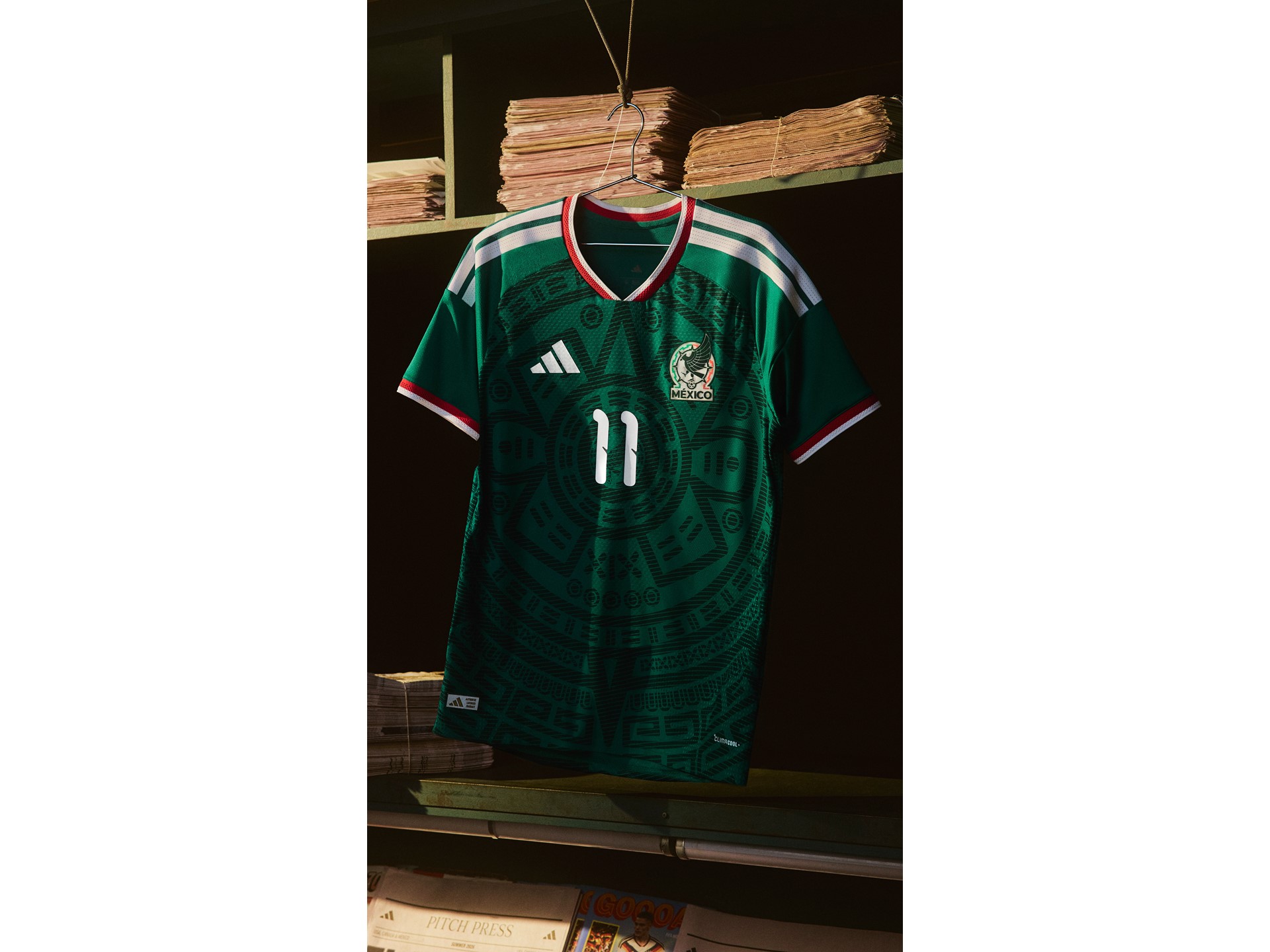
- Mexico 1998 (the Aztec shirt, £80-£180). Bold, unique, instantly recognisable. Reissues exist; originals are climbing.
- Nigeria 1994 (~£80-£250). The 2018 reissue made this one of the most-collected international shirts ever. The original 1994 is a serious collector item.
- England 1990 (~£60-£150). The Italia 90 shirt. Most-loved English kit by some distance.
- Argentina 1986 (~£80-£300). The Maradona shirt. Le Coq Sportif. Le Coq Sportif don't make football kits any more, which makes original-era versions especially collectible.
The full 25 best World Cup kits ever ranking covers all five plus 20 more, with direct retro buying links.
What NOT to do as a beginner
- Don't buy any "rare" shirt for under £40. Unless it's a kid's size, that price floor doesn't exist for genuine retro shirts.
- Don't buy on impulse from an Instagram ad. Almost all the football shirt Instagram ads are fronting drop-shipping operations.
- Don't trust sellers who only post stock photos. Demand original photos from multiple angles, including labels and stitching.
- Don't buy a shirt for nostalgia value if you're not 100% sure it's the right year. The 1994 Brazil home shirt and the 1998 Brazil home shirt are very different. Get the year right.
- Don't rule out modern reissues. They're not "real" originals but they're affordable, authentic-looking, and you'll actually wear them. Originals belong in display frames.
The collector progression
Most retro shirt collectors follow the same arc. They buy a single retro shirt of a team they love. They wear it once and become obsessed. Within 12 months they own 4-6 retro shirts. Within 3 years they have 15-30. By 5 years in they're spending more on football shirts than on regular clothing.
If you're at the start of that arc, congratulations. The 2026 World Cup is the perfect time to start — every retro shirt market spikes during a tournament summer, but the prices haven't peaked yet. Buy now, hold for the cycle, and either wear them proudly or watch the resale value climb.
And if you want to know which retro shirt to buy first based on which 2026 team you think will win, the Kit Clash leaderboard is the closest thing to a fan-driven prediction market that exists.