From 5 spots to 9 spots in one cycle
The most under-discussed story of the 2026 World Cup format change is what happened to Africa's allocation. CAF — the Confederation of African Football — went from 5 World Cup spots in 2022 to 9 spots plus a playoff in 2026. That's an 80% increase in one cycle. No other confederation got close to that jump.
For years African football has been underrepresented at World Cups relative to its number of FIFA member nations and its global player export base. The Premier League, Serie A, La Liga and Ligue 1 are all stacked with African talent. Africa has produced the World Cup's first-ever non-European semi-finalist this century (Morocco in 2022). And yet through 2022, only 5 of the 32 World Cup spots were reserved for the entire continent.
2026 fixes that. Here's how, and what it means.
Who got the new spots
The 9 automatic CAF qualifiers for 2026 are spread across North, West, East, Central and Southern Africa. The qualification format ran group rounds followed by mini-tournaments to allocate the spots, and produced a mix of regulars and surprise qualifiers.
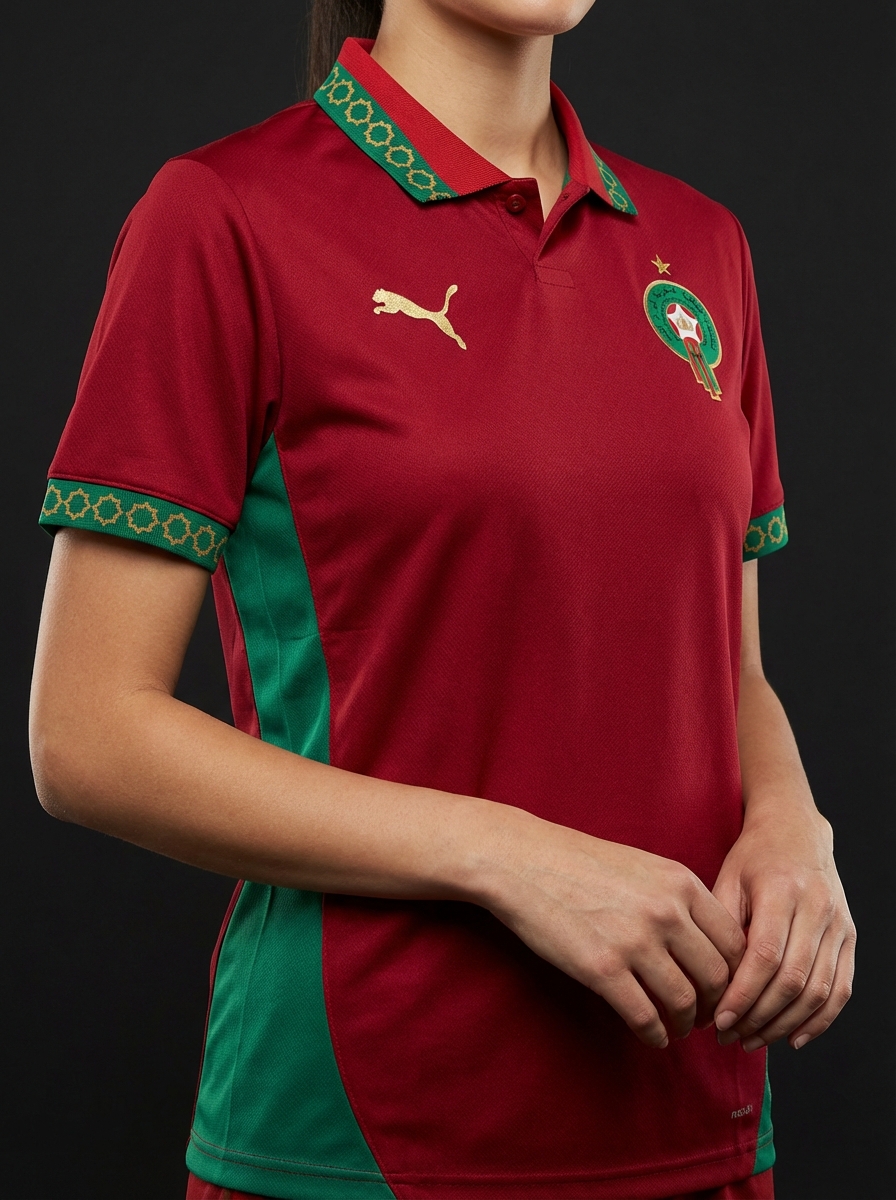
- Morocco — 2022 semi-finalists, the most likely African dark horse to repeat their run.
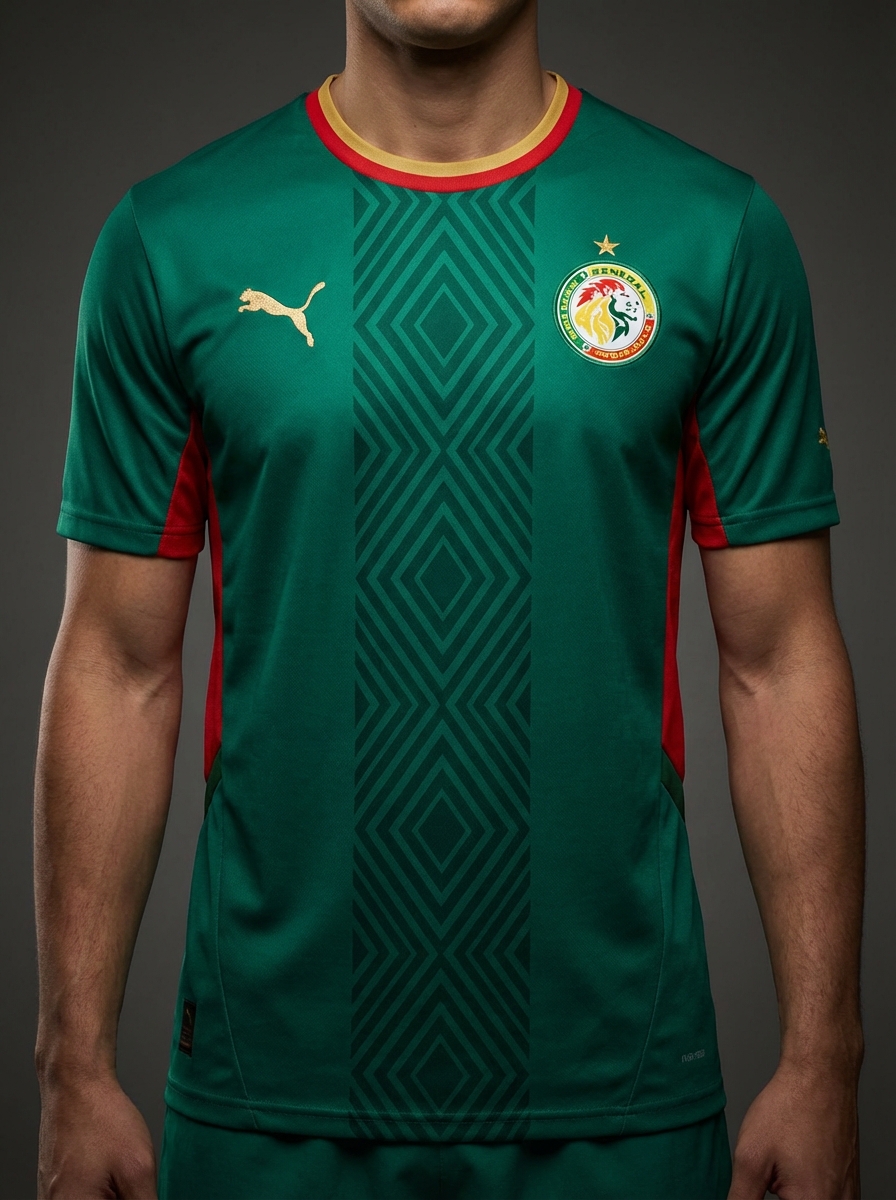
- Senegal — Africa Cup of Nations champions from the recent cycle and a squad with serious knockout-round quality.
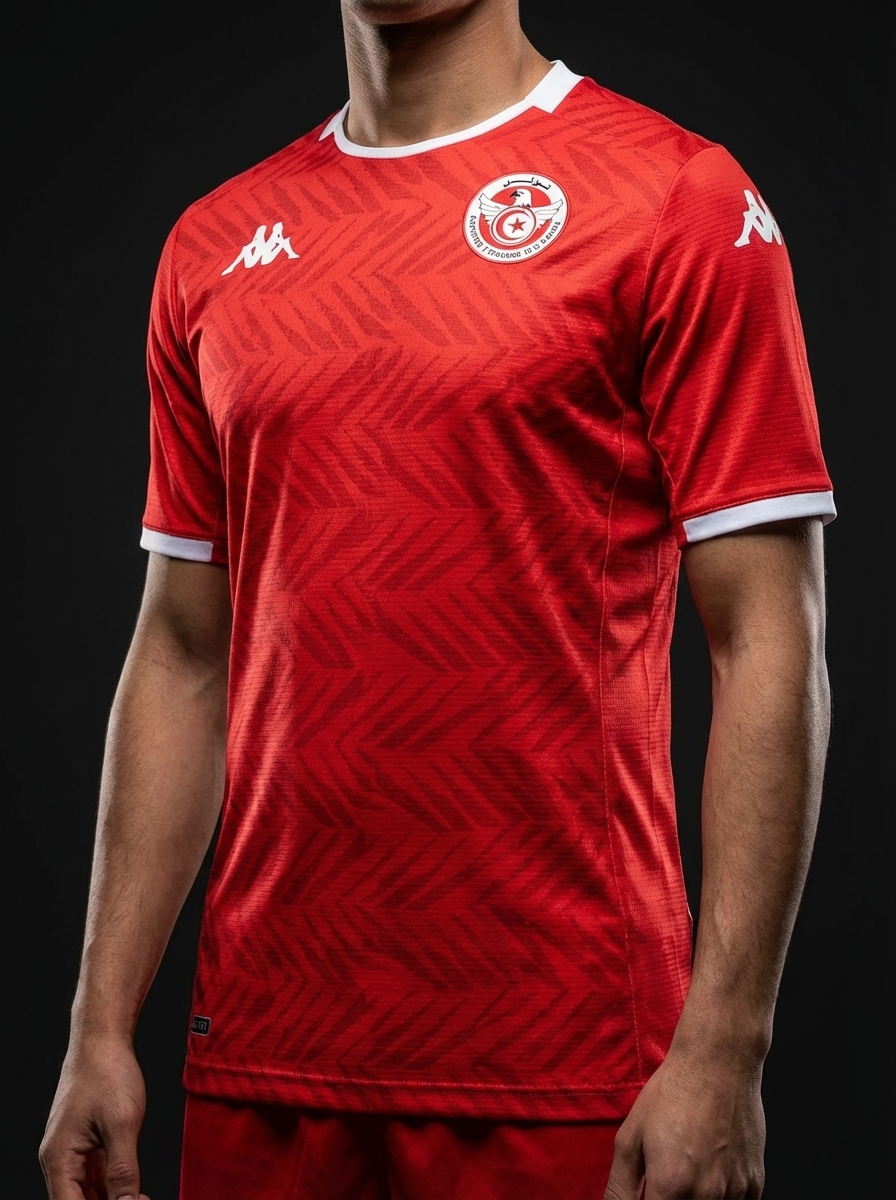
- Tunisia — A regular World Cup nation who keep producing organised, dangerous tournament sides.
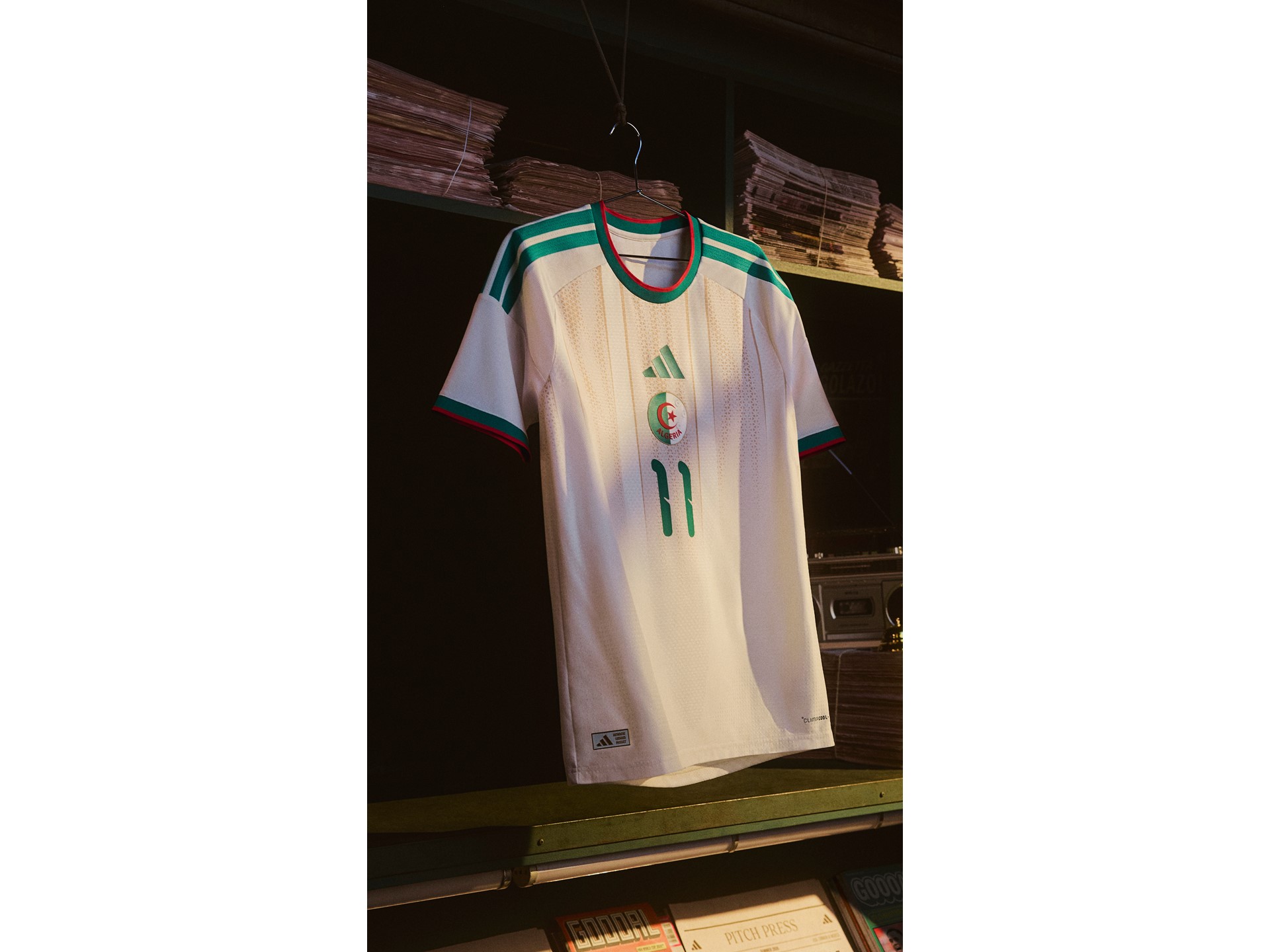
- Algeria — Returning to the World Cup after their Africa Cup of Nations title-winning era.
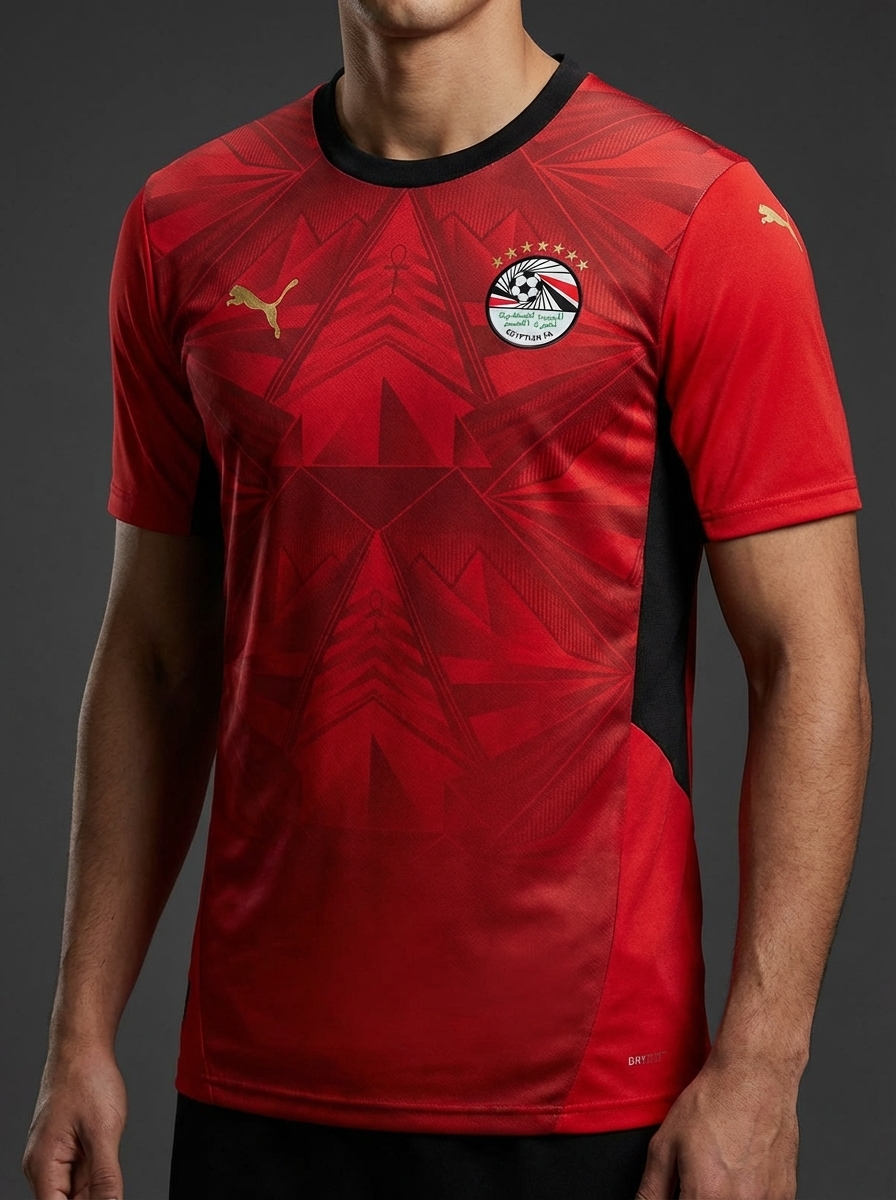
- Egypt — Mohamed Salah's Egypt finally back at a World Cup after the heartbreak of qualifying losses in recent cycles.
- South Africa — Bafana Bafana qualified for the first time since 2010, when they hosted the tournament.
- Cape Verde — One of the breakout qualifying stories of the cycle. A nation of half a million people. World Cup debut.
- Ivory Coast — The Drogba era ended a decade ago and Ivory Coast have rebuilt around a new generation.
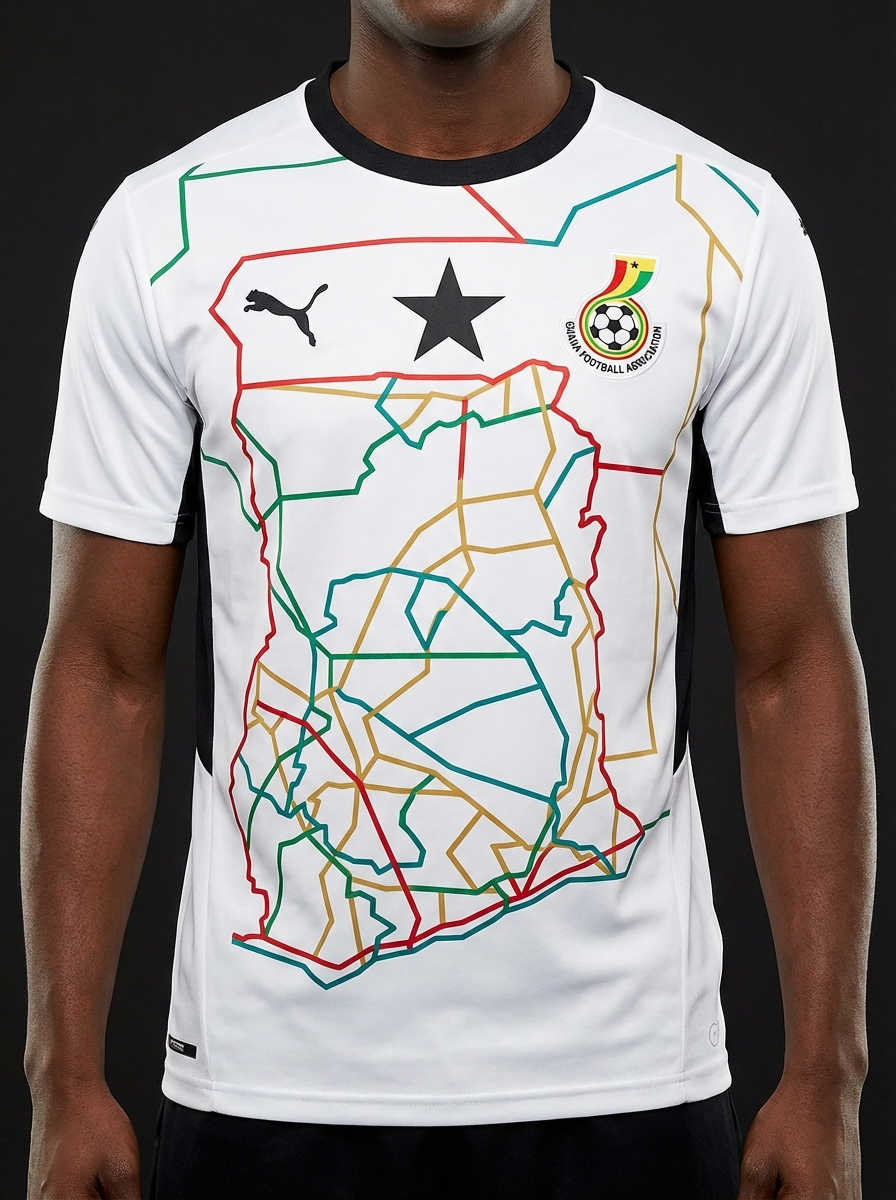
- Ghana — Always dangerous in tournament football, looking to better their 2010 quarter-final run.
That's the deepest African field at any World Cup ever.
The big African nations who didn't qualify
Even with 9 spots, the qualifying field is competitive enough that some big nations missed out. Most painfully:
- Nigeria — Africa's most kit-famous nation, the Super Eagles, did not qualify. The 2018 Nigeria shirt is one of the most-bought football kits ever made and Nigeria fans were planning the 2026 wardrobes a year ago. Now they're picking second teams.
- Cameroon — The Indomitable Lions, traditionally an automatic for World Cups, missed out. End of an era.
- DR Congo — Outside the top contenders despite a strong recent AFCON.
Nigeria specifically is a huge story for the kit market. Nigeria shirts will be available throughout 2026 because the team isn't actually playing — but the demand for the iconic 2018 shirt and earlier classics is going to spike anyway because Nigeria fans always wear their colours during tournament summers regardless of qualification status. Browse the classic retro kits page for the Nigeria angle.
Why this matters for the tournament
Nine African nations means at least three African teams will reach the round of 32, statistically. With Morocco's 2022 run as the template, there's a real chance one of them goes deep. The combination of:
- Higher stakes (more African teams = more pressure to produce results)
- European-club-trained talent (the African squads are full of Premier League and Bundesliga regulars)
- Format friendliness (the round of 32 means even a tough group draw isn't fatal)
...creates conditions for an African nation to outperform expectations the way Morocco did. Smart kit-buyers are loading up on Morocco, Senegal and Egypt shirts now. See the dark horse kit collection for the full picks.
What 9 African spots actually changes
This is the bigger picture. African football has been deprived of World Cup exposure for decades despite producing some of the best players in every European league. The expansion to 9 spots is corrective, not generous. It brings the allocation roughly in line with what African football's actual quality demands.
2026 is a test. If African nations perform well in the knockouts — even just one quarter-finalist — the case for keeping the 9-spot allocation in 2030 becomes unassailable. If they all crash out in the group stage, FIFA's expansion narrative takes a hit and pressure builds to redistribute slots back to UEFA.
The pressure is on Morocco, Senegal and Egypt specifically. They're the African nations with the most knockout-round potential. A deep run by any of them validates the entire format change.
How to follow Africa at this tournament
- Read the full qualifying breakdown for the confederation-by-confederation picture.
- Check the all 48 team kit pages and filter to African nations.
- Vote on the African kits in Kit Clash — Morocco and Senegal consistently rank above their FIFA position.
- Browse the dark horse collection for the underdog buyer's argument.
Africa got 9 spots. Now we find out what they do with them.