The strangest cultural tradition in modern sport
Imagine telling someone who's never been to a football match that 70,000 strangers are going to spend the next 90 minutes singing in unison. Without a conductor. Without song lyrics on a screen. Without rehearsal. Sometimes the songs are 100 years old. Sometimes they were invented last week. Sometimes they're a tribute to a player. Sometimes they're an insult to the opposition fans.
Football chants are one of the strangest cultural traditions in any modern sport. They're also one of the most defining experiences of a tournament atmosphere. If you're going to a 2026 World Cup match — or even just hosting a watch party where you want to feel involved — knowing what the chants mean is genuinely useful.
Here's a beginner's guide.
Why football fans chant in the first place
Football chanting comes from working-class British football culture in the 1960s. Liverpool's Kop end started singing pop songs as a tribal identity expression, other English clubs copied the format, and within a decade chanting had become a global football tradition. By the 1980s every major football culture in Europe had developed its own chanting style.
The function is community signalling. Chanting tells the rest of the stadium "we're here, we're together, this team belongs to us". It's also a coordination mechanism — chanting in unison creates a sense of collective belonging that nothing else in modern public life replicates. People who don't normally sing in public will sing at a football match because the whole stadium is doing it.
The 2026 World Cup is going to be one of the loudest tournaments ever played because of the diaspora effect — see our fan culture deep-dive for why every "away" match in the United States will actually feel like a home game.
The biggest international football chants you'll hear
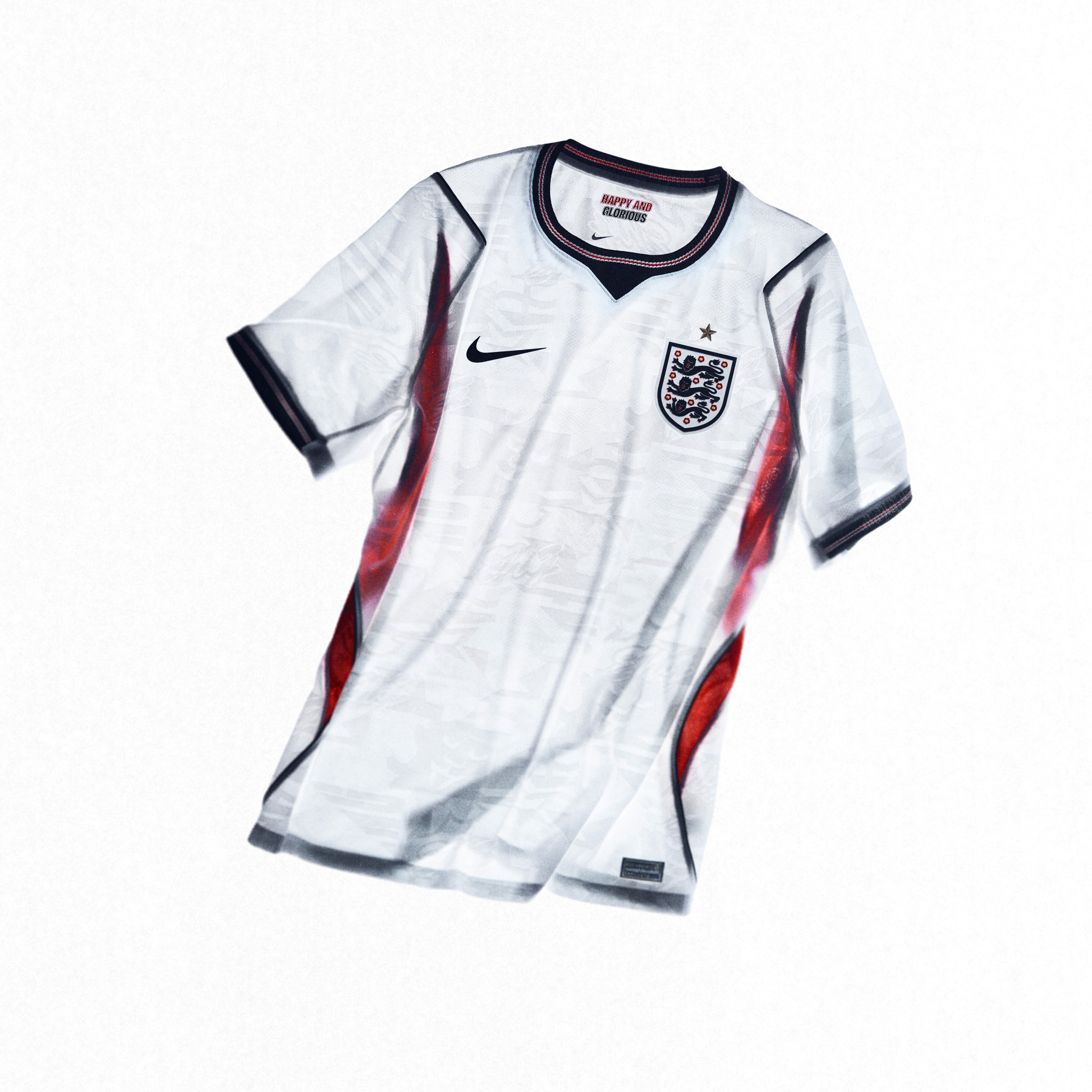
England — "It's coming home" / "Three Lions"
The most famous English football chant of the modern era. Comes from the 1996 Skinner & Baddiel + Lightning Seeds song "Three Lions" written for Euro 96. The "It's coming home" refrain has become permanently fused with English national-team optimism. You will hear it at every England match in 2026, especially when England take an early lead.
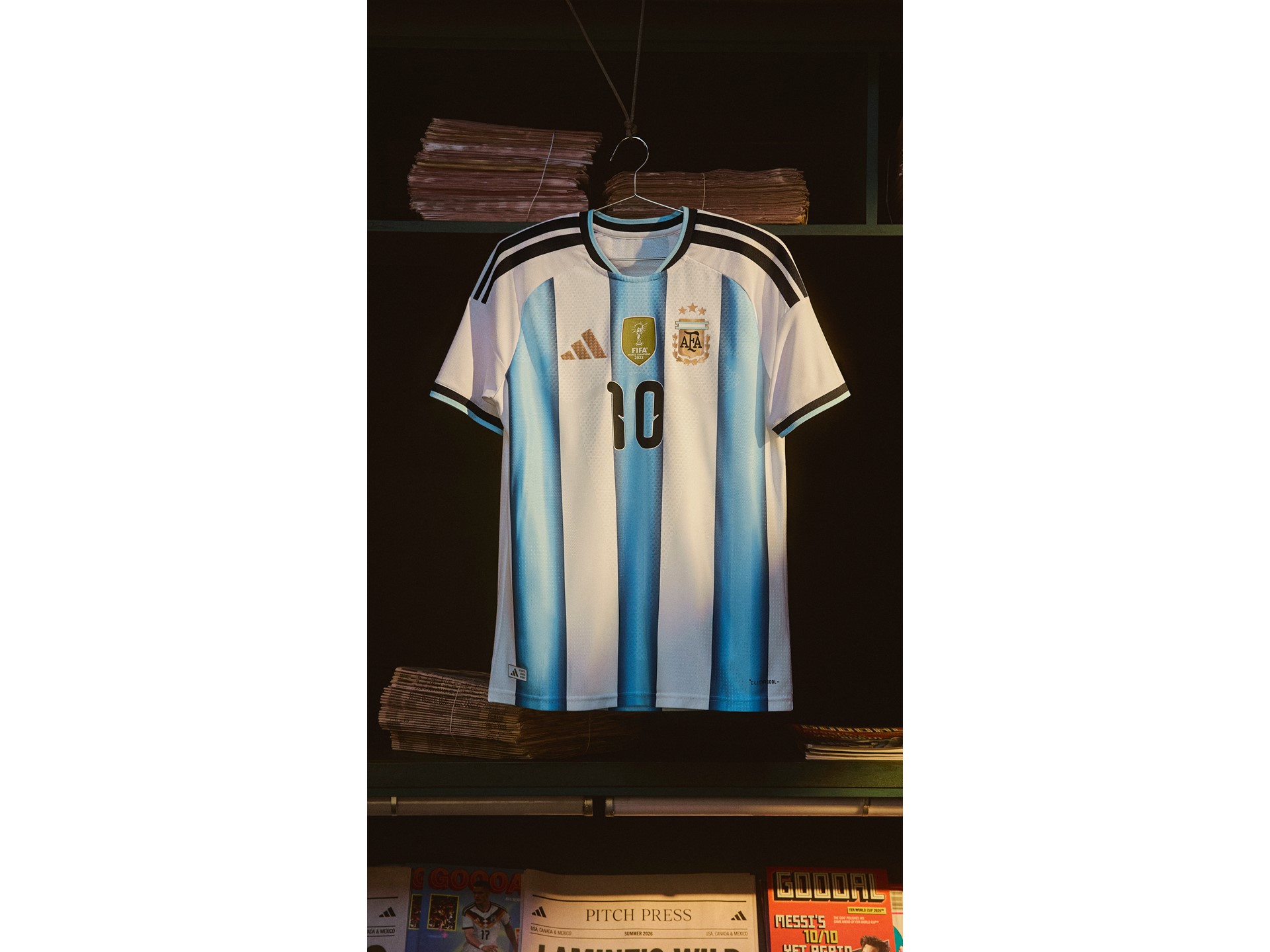
Argentina — "Muchachos"
The 2022 World Cup-winning chant. "Muchachos" was written by an Argentine fan and rapper La Mosca specifically for the 2022 tournament, became Argentina's anthem during the run, and has now permanently entered Argentine football culture. Every Argentine fan in every host city in 2026 will know this song. It's basically the unofficial national anthem now.
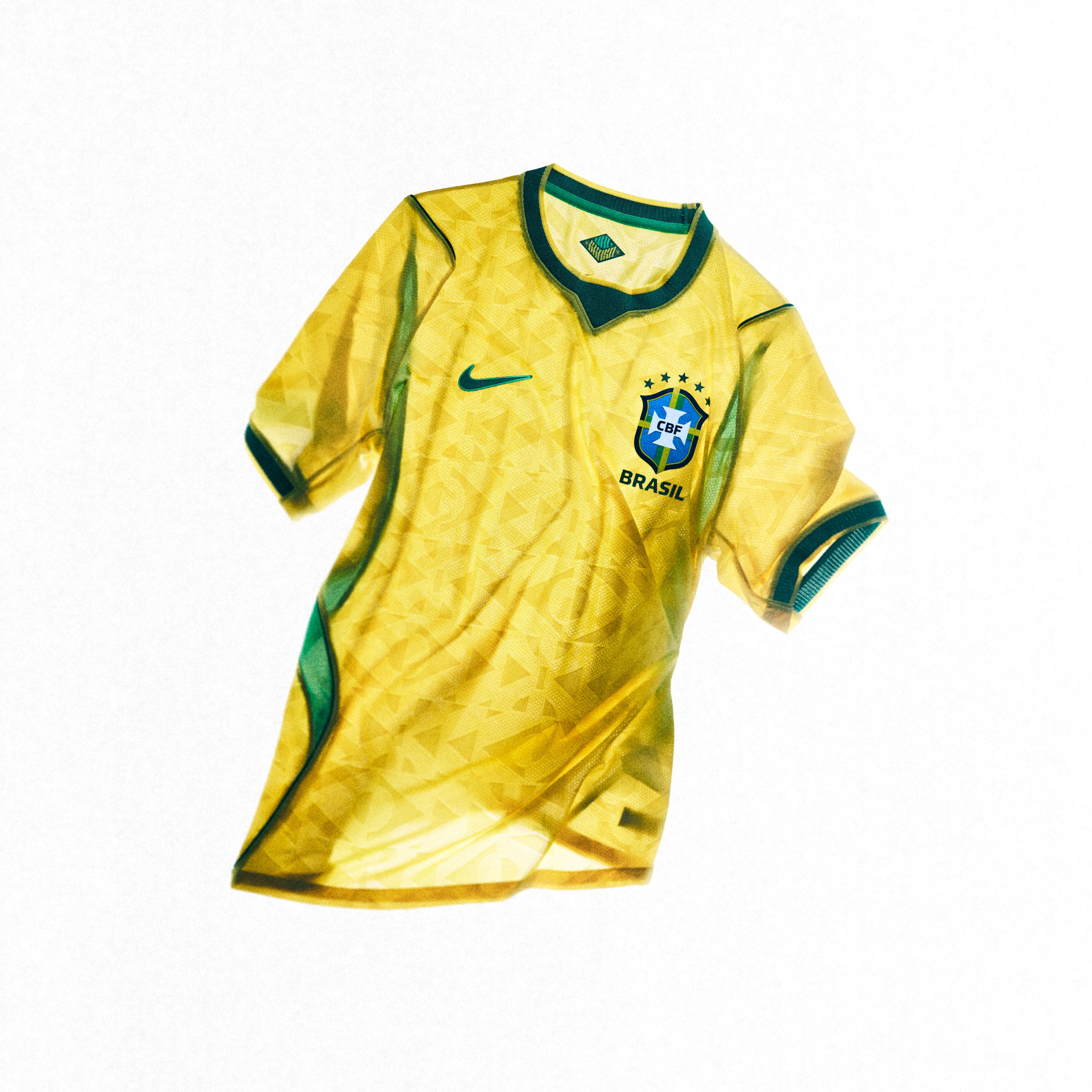
Brazil — Samba
Brazil fans don't really chant in the European sense. They samba. The atmosphere at a Brazil match is more carnival than football tradition — drums, percussion, dancing, colours. There's no single canonical Brazil chant the way there is for England or Argentina. The whole experience is the chant.
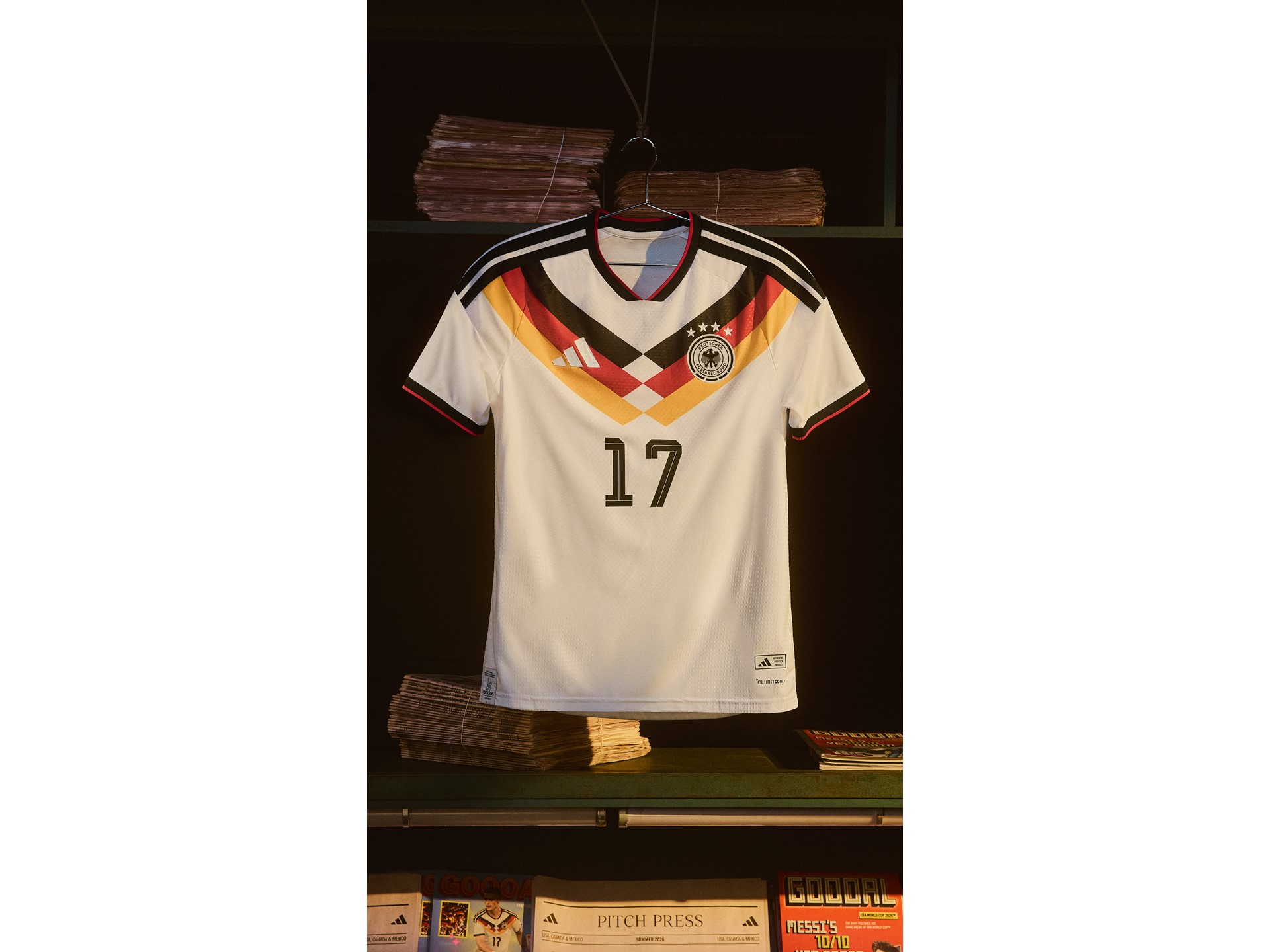
Germany — "Football's coming home" but in German
Germany have produced multiple tournament-winning chants over the decades. Most rely on simple rhythmic clapping rather than lyrics. The most famous modern Germany chant is "Schwarz und weiß" (black and white) referencing the home kit. Listen for it whenever Germany play.
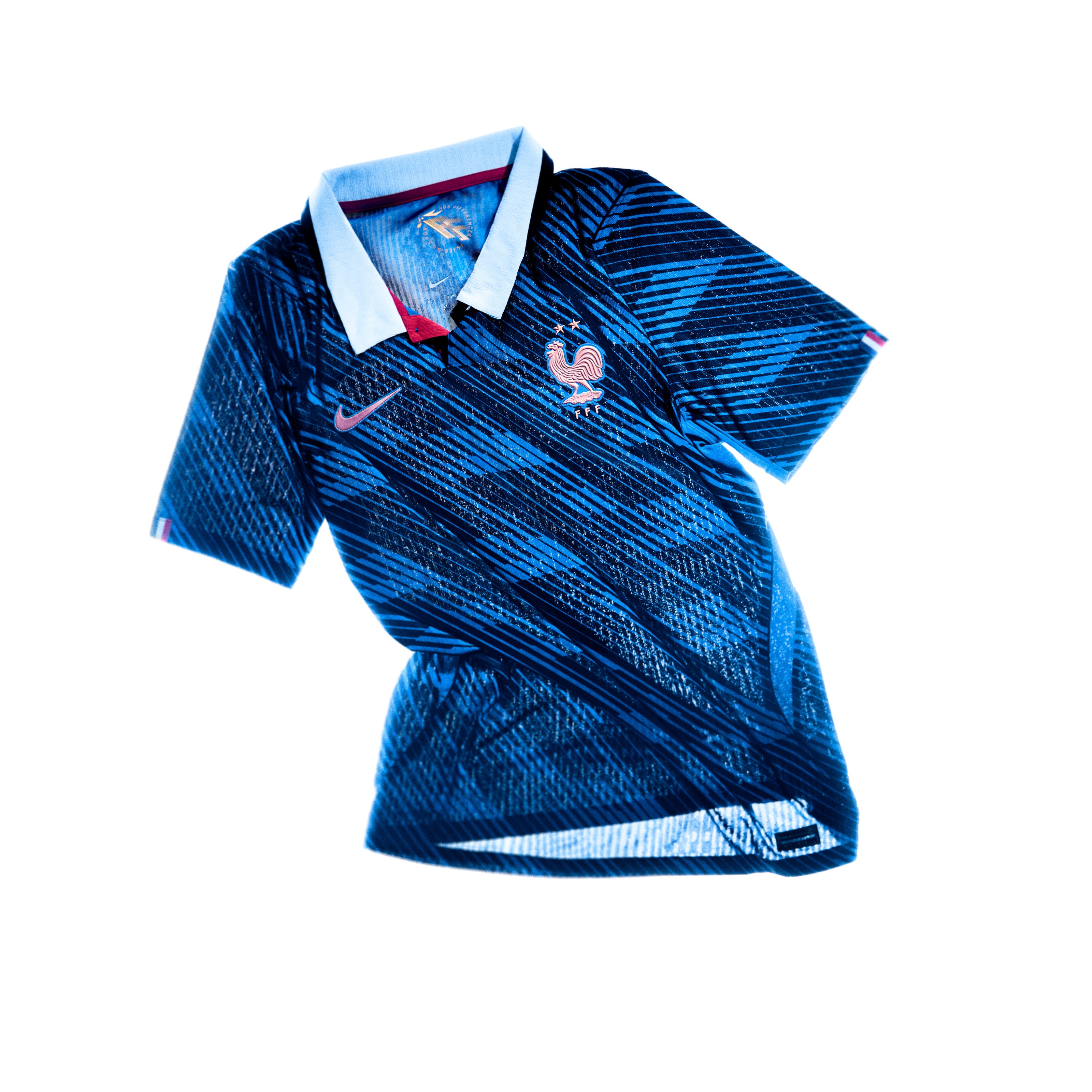
France — "On est les champions" / "Aux armes"
France's defining football chant comes from the 1998 World Cup win on home soil. "On est les champions" (we are the champions) has been a permanent feature of French national-team support ever since. Listen for it during marquee matches.
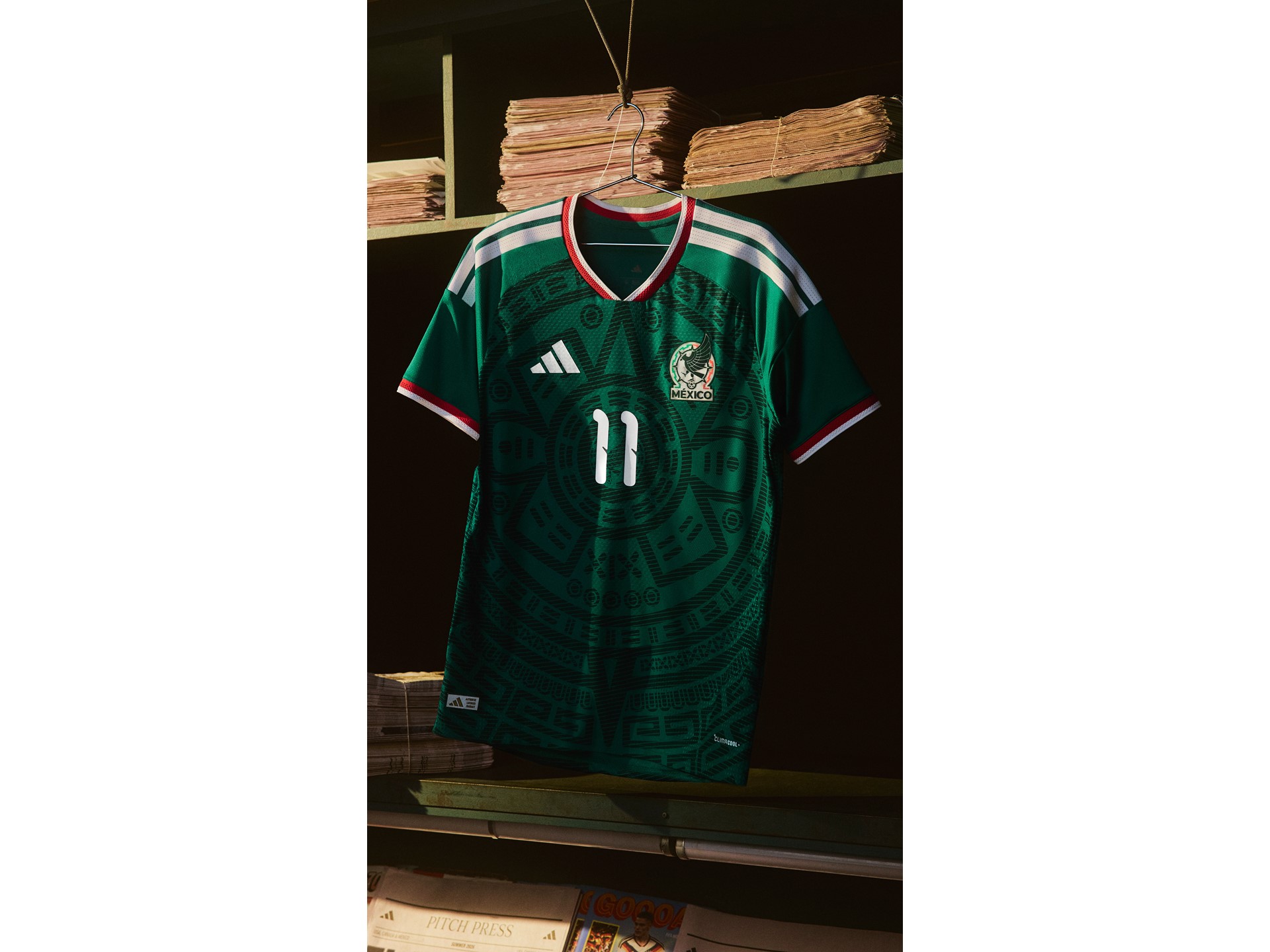
Mexico — the "Cielito Lindo" tradition
Mexico fans have one of the most distinctive chant traditions in international football. "Cielito Lindo" is a 1882 Mexican folk song that has become the unofficial Mexican national-team anthem. Hearing 80,000 Mexican fans at the Estadio Azteca singing it in unison is one of the great football experiences. The 2026 opening match should produce exactly this moment.
Chants you should NOT join in with
Some football chants are offensive, racist, or politically loaded. As a tourist or new fan you should never sing chants you don't understand the meaning of. A few specific warnings:
- Chants that insult the opposition's nation, race or religion. Don't join in even if the people around you are.
- Chants that reference specific political conflicts (especially in fixtures involving nations with active disputes).
- Chants that use slurs against players or fans.
If you're at a match and you don't know the words, just clap along with the rhythm. Nobody minds.
How to learn your team's chants before the tournament
Three approaches:
- YouTube playlists. Search "[Team name] football chants" on YouTube — there are compilations for every major nation. Watch a few, learn the tunes, you'll be able to clap along even if you don't know every word.
- Spotify "official football fan" playlists. Most major nations have official football association Spotify playlists with the most-played stadium chants. England's FA, the FFF (France), the DFB (Germany) all have these.
- The Three Lions / Vindaloo / Sweet Caroline rule. These three songs will be played in every English-speaking pub and stadium during the 2026 World Cup. Learn the words to all three and you'll fit in anywhere.
The watch party at home angle
If you're hosting a 2026 World Cup watch party, the chant atmosphere is one of the things you can recreate at home. Spotify your team's chants playlist, put it on the smart speaker between matches, and you'll instantly capture the crowd-noise atmosphere even from your living room. Add a flag, a scarf, and a few people and the difference between "matchday at home" and "matchday at the pub" almost disappears. Full setup in our watch party guide.
Six weeks of football. 80,000 people in stadiums. Hundreds of millions of people in living rooms. Every single one of them singing or clapping or chanting in some form. That's what makes this tournament unlike anything else.