The first ever 48-team World Cup draw was always going to be chaos
FIFA spent years planning the 2026 World Cup draw because it was the first one to handle a 48-team field. Eight more teams than 2022. Twelve groups instead of eight. Four pots of twelve instead of four pots of eight. Three host nations instead of one. A new round of 32 sitting between the group stage and the knockouts.
Every previous World Cup draw was a familiar format that everyone in the room had seen before. The 2026 draw was something nobody had ever done. Here's what happened, how the seeding actually worked, and why a couple of groups ended up looking borderline impossible.
How the pots were built
The 2026 draw used four pots of twelve teams each — twelve sides per pot, one pot per group. The seeding logic was straightforward in theory and complicated in practice.
Pot 1 got the three host nations (USA, Mexico, Canada) automatically. Then it filled with the nine highest-ranked nations in the FIFA World Rankings — typically Argentina, France, Spain, England, Brazil, Portugal, Netherlands, Belgium, Germany.
Pot 2 took the next 12 teams in the FIFA rankings. This is where the dangerous Tier-1.5 nations live: Croatia, Morocco, Uruguay, Japan, Colombia. Drawing one of these as a Pot 2 team is what turns a "fine" group into a real test for the Pot 1 seed above you.
Pot 3 took the next 12. This is the dark horse pot — Senegal, Ecuador, Scotland, South Korea, Australia. None of these teams will win the World Cup, but any of them can knock out a top-12 nation in a one-off match.
Pot 4 took the bottom 12 — the lowest-ranked qualified nations plus the inter-confederation playoff slots. Some of these positions weren't even allocated to specific nations at the time of the draw because the playoffs hadn't been played yet. They were entered as placeholders.
Why this mattered more than usual
In a 32-team World Cup with 8 groups of 4, every group has an obvious balance: one heavyweight, one challenger, one outsider, one cannon-fodder team. You always know who's supposed to go through.
The 48-team format breaks that. Top two from each group plus the eight best third-placed sides progress. That's 32 teams out of 48 — two thirds of the field — going to the knockout round of 32. So even if you finish third in your group, you're not eliminated. You just need to be one of the eight best third-placed sides across the 12 groups.
This changes the seeding maths in a brutal way. Pot 4 teams are no longer cannon fodder. A Pot 4 team that grinds out two draws in the group stage can sneak into the knockouts on goal difference. Suddenly every group has stakes for every team. There's no obvious "easy three points" fixture for the Pot 1 seed.
How confederation restrictions worked
FIFA also imposed confederation rules to keep teams from the same continent apart in the group stage where possible. UEFA was the exception — Europe's allocation is so big (16 teams across 12 groups) that some groups inevitably had two European teams in them. Every other confederation got the standard "one team per group" rule.
This is why Group D ended up so loaded. USA as a Concacaf host, Paraguay as a Conmebol Pot 2 team, Australia as an AFC Pot 3 team, plus a Pot 4 inter-confederation playoff winner. Four different confederations, all tournament-tested, no obvious weak link.
The groups it produced
The full 12-group breakdown is on the 2026 World Cup draw page with every team in every group. The TL;DR:
- Group D is the actual group of death — see our full Group of Death breakdown.
- Group C with Brazil and Morocco is the second-hardest.
- Group L with England-led quality is the third-hardest depending on the Pot 2 draw.
- Several Pot 1 teams got genuinely favourable groups with weaker Pot 2 sides — France, Germany, Argentina arguably had the easiest paths.
What happens next
The draw set the bracket. Now it's down to the football. Here's what to do with the result:
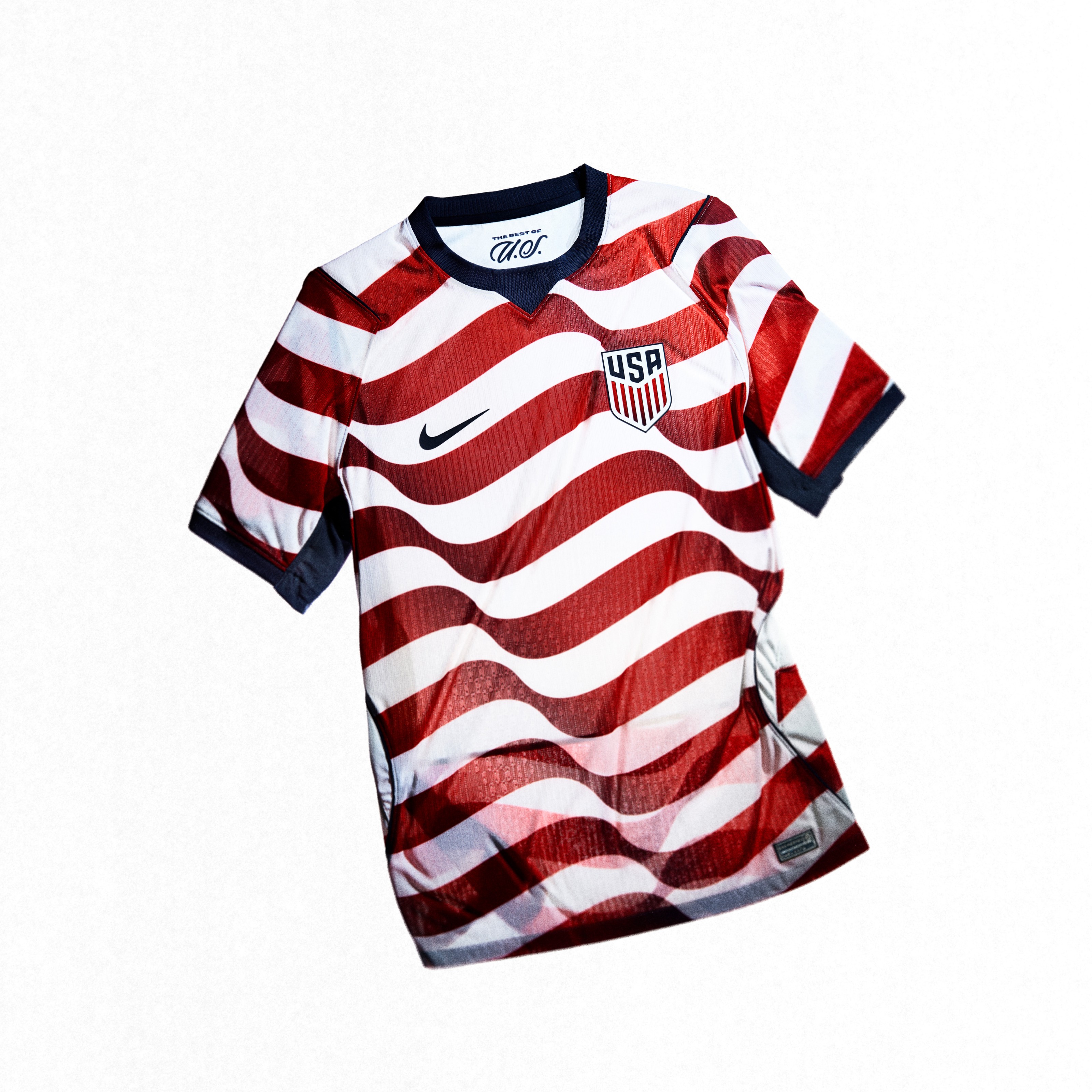
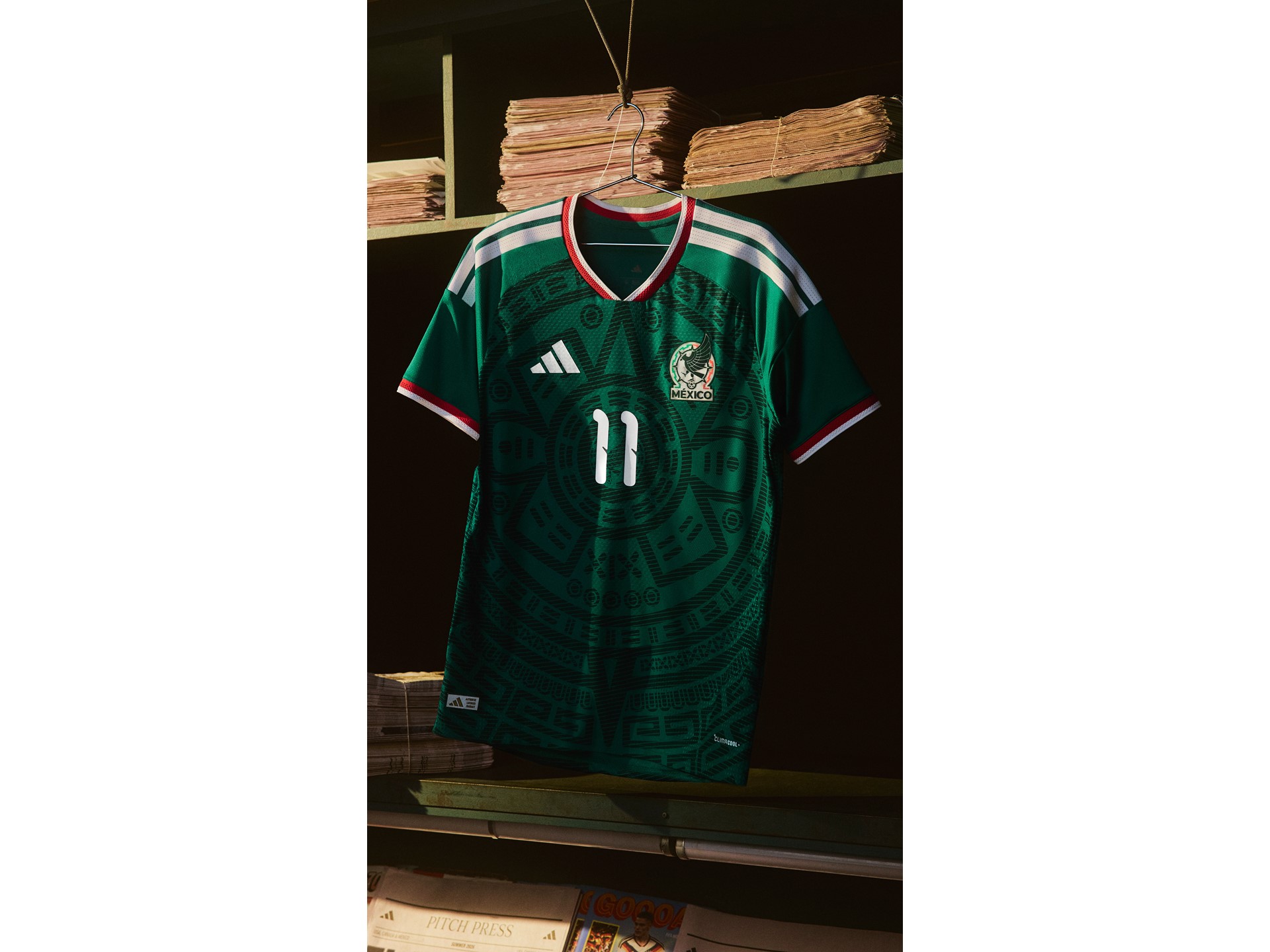
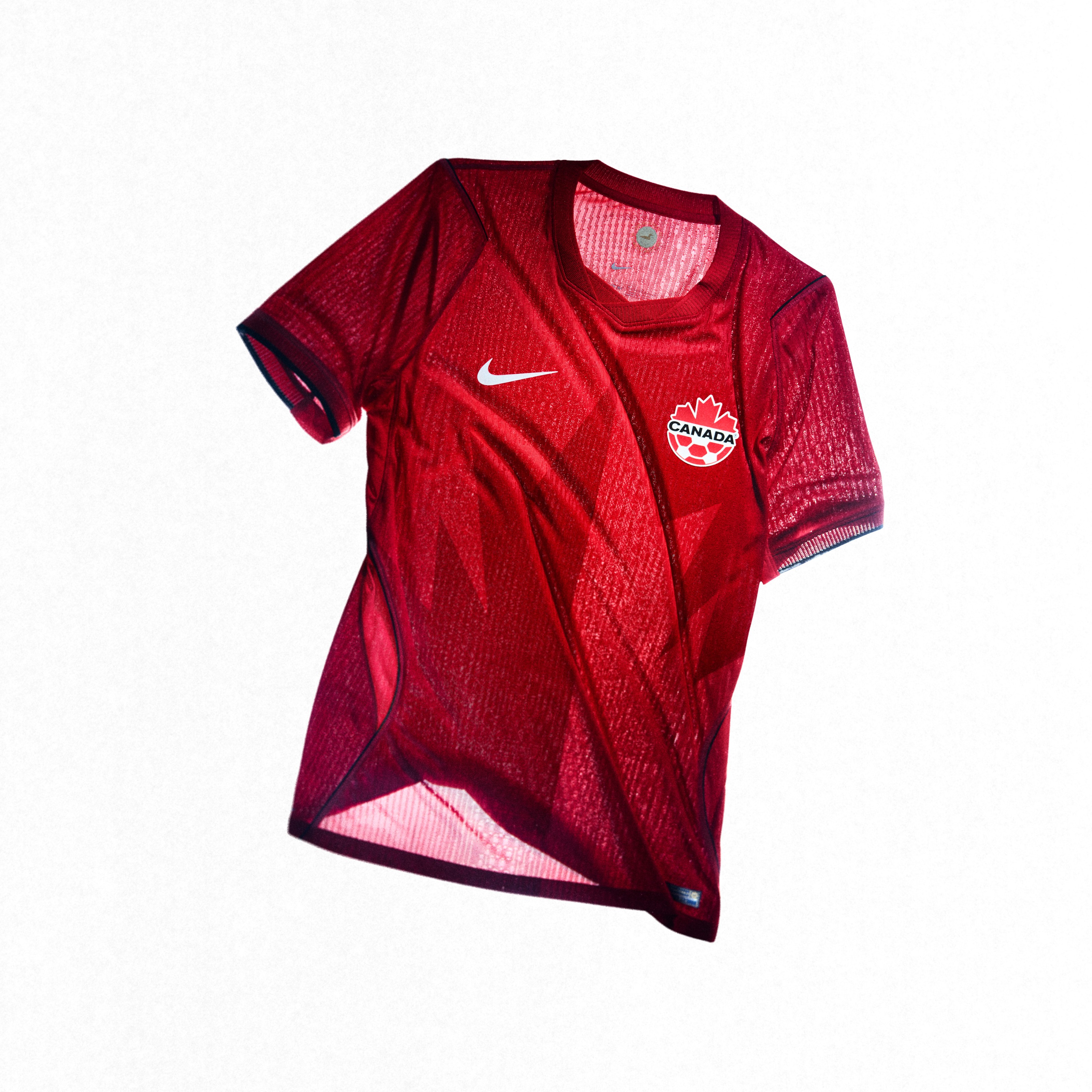
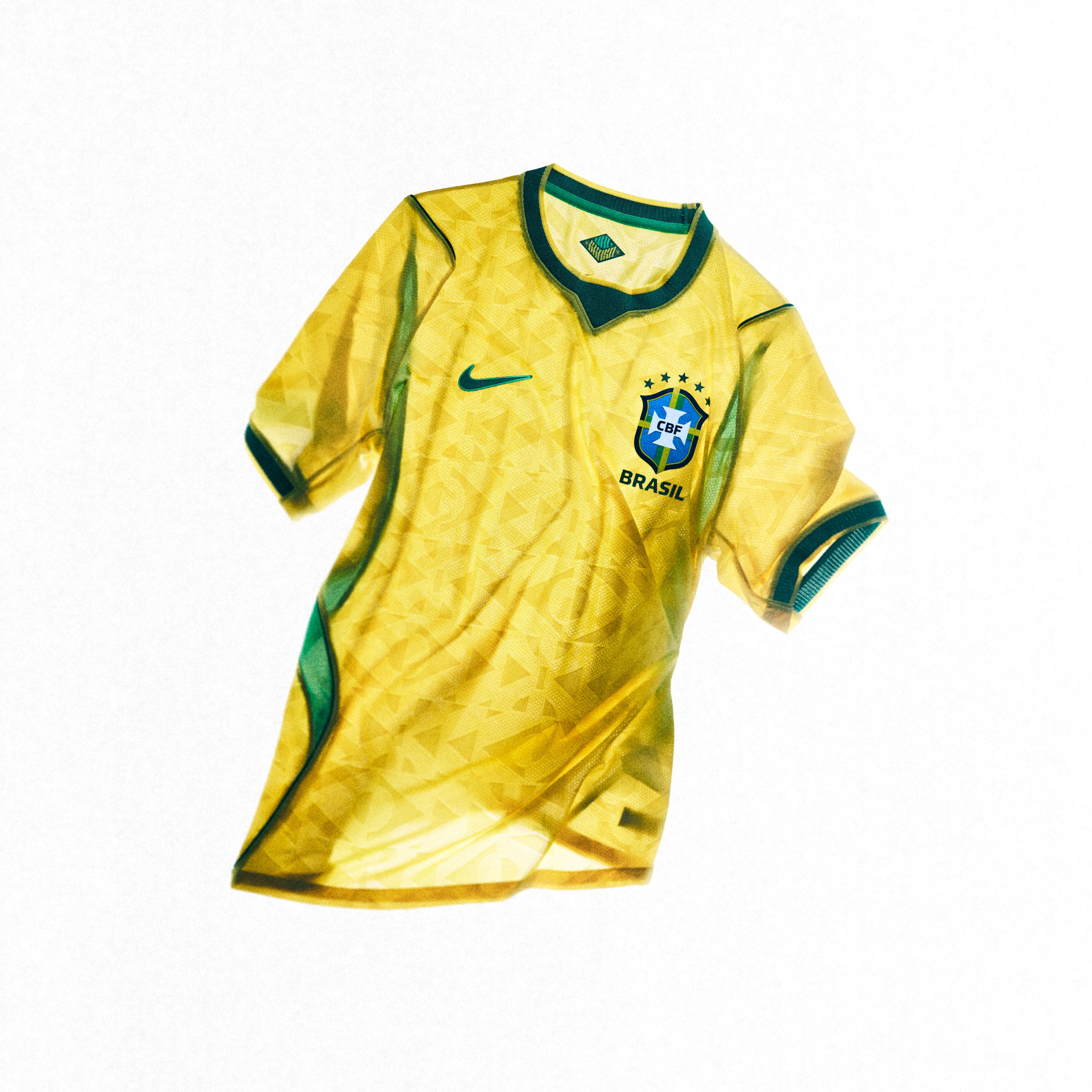
- Pick your team and grab the kit early. Popular sizes for Pot 1 nations sell out 4-6 weeks before kick-off. All 48 team kit pages here.
- Print the wall chart. Free PDF, all 104 matches, BST kick-off times — download here.
- Make your prediction. Use the free 2026 World Cup simulator to lock in your group winners and champion.
- Vote on the kits. The Kit Clash leaderboard updates in real time and the rankings have a surprising correlation with how the tournament actually plays out.
One draw down. Six weeks of football to come. Set your alarms.