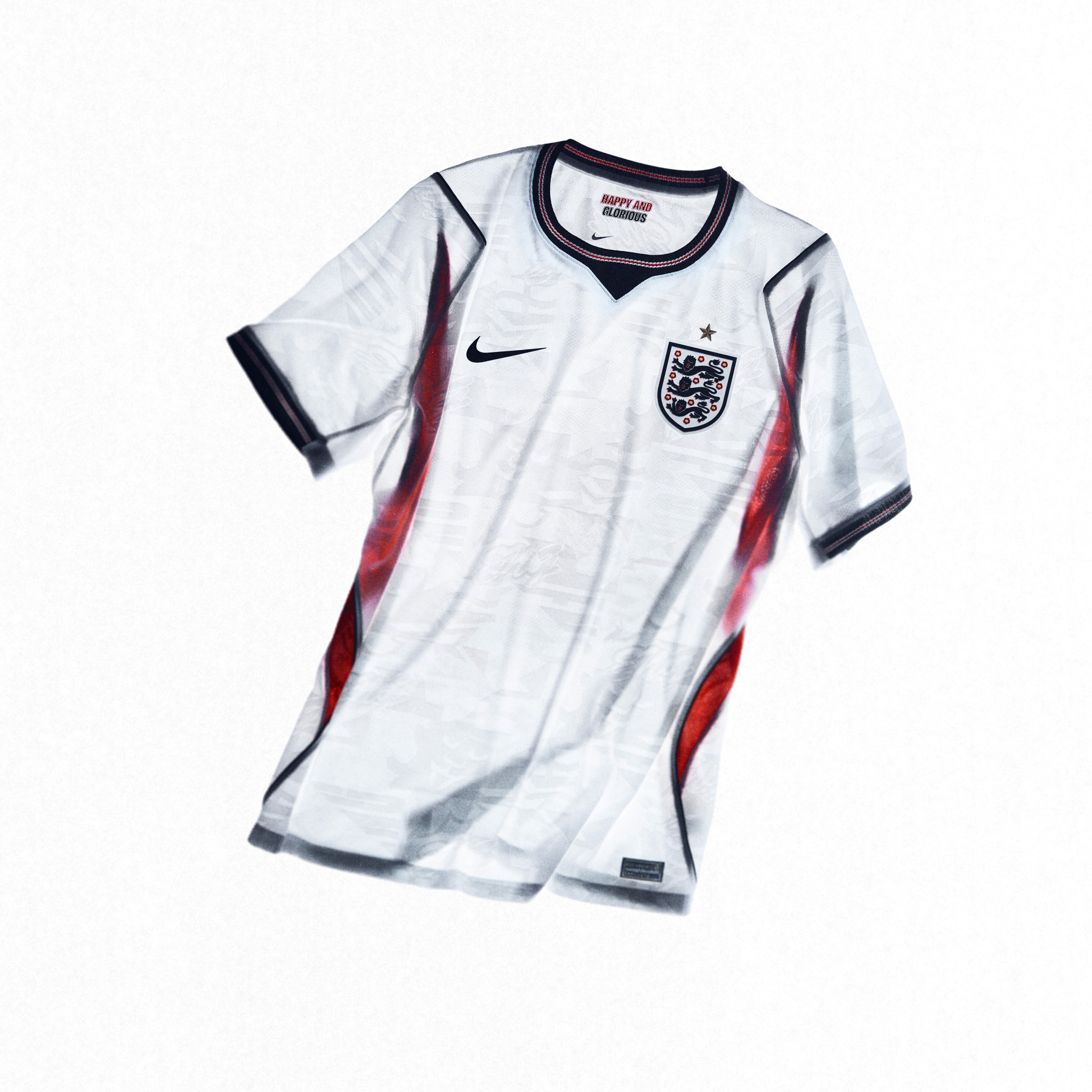
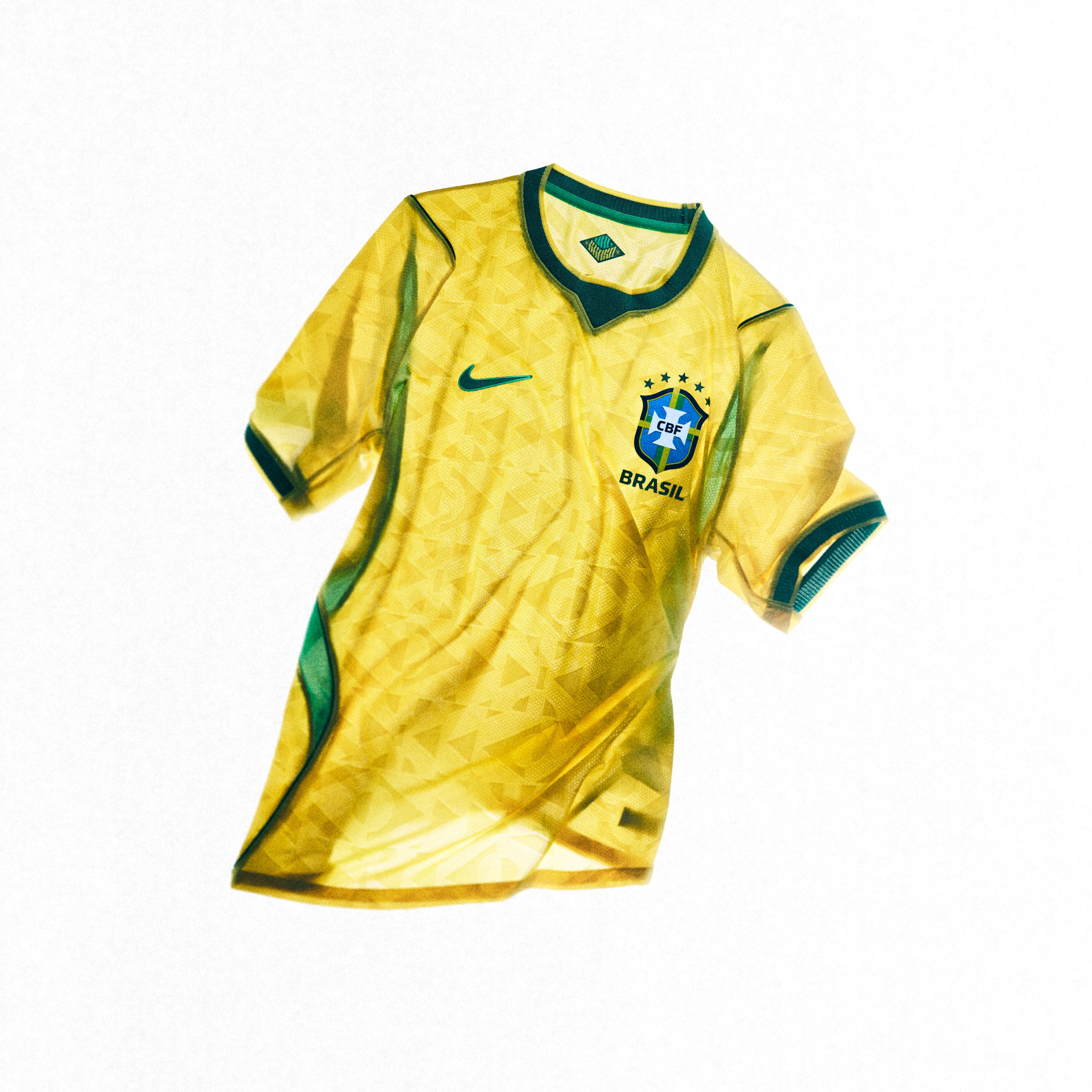
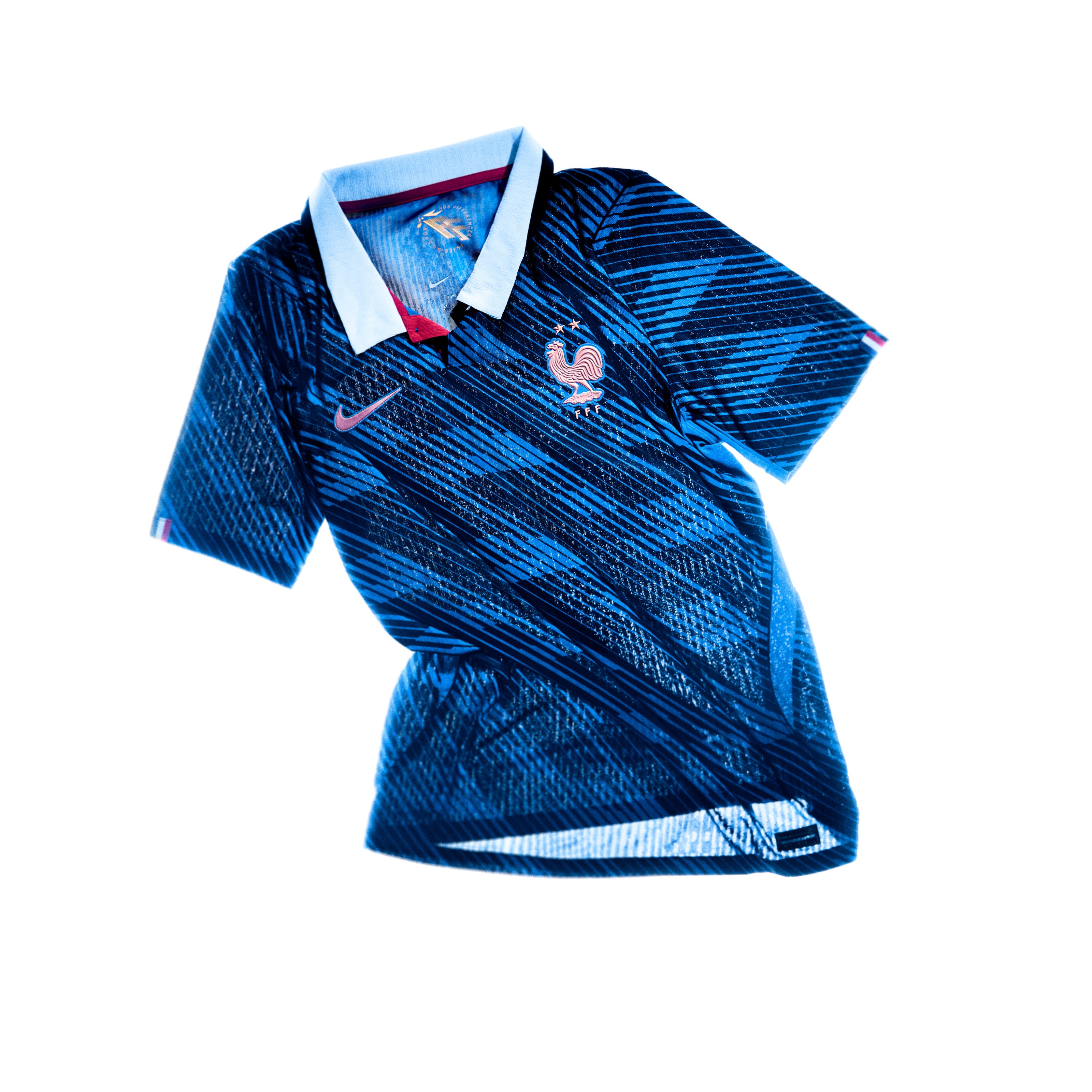
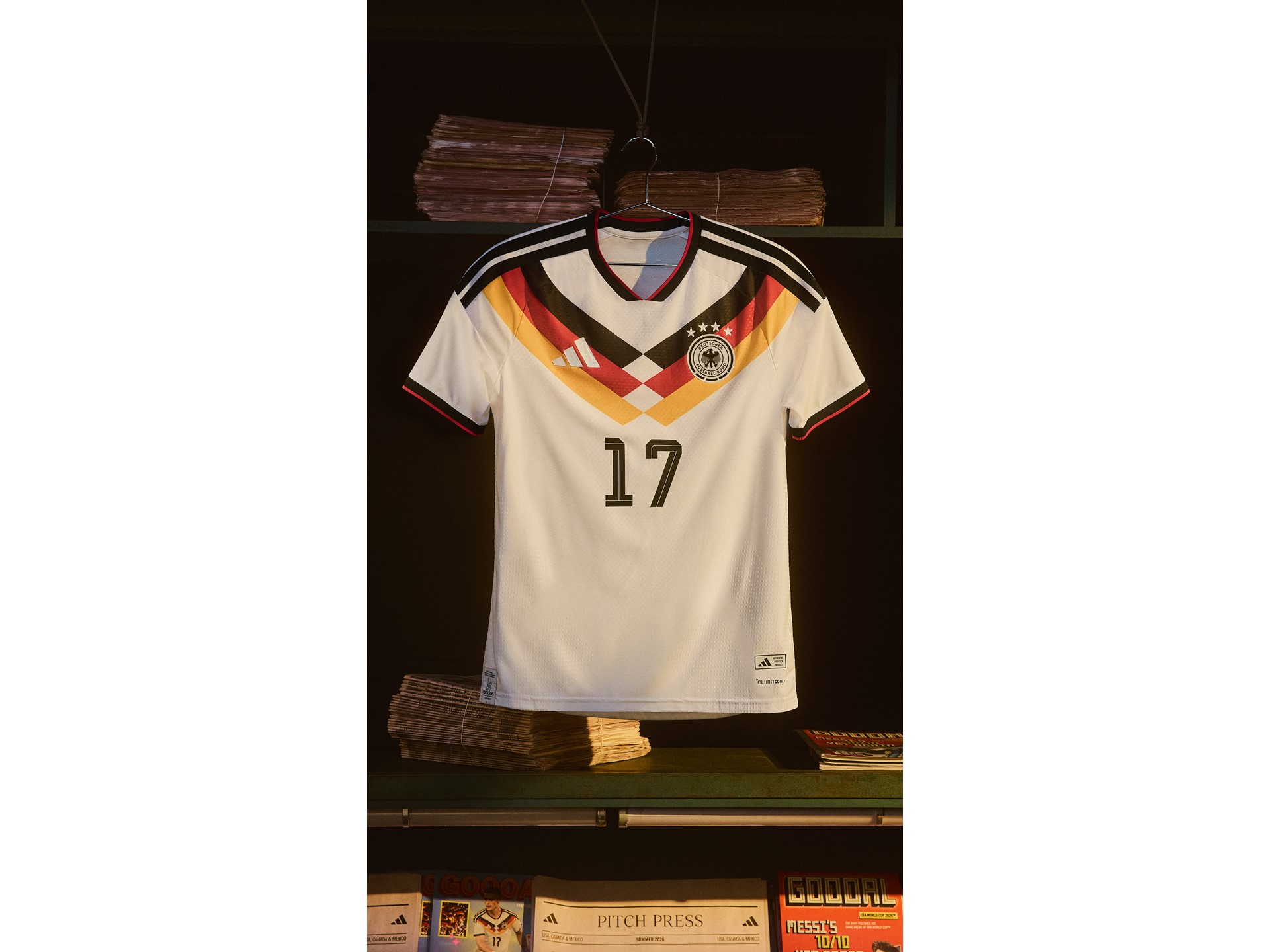
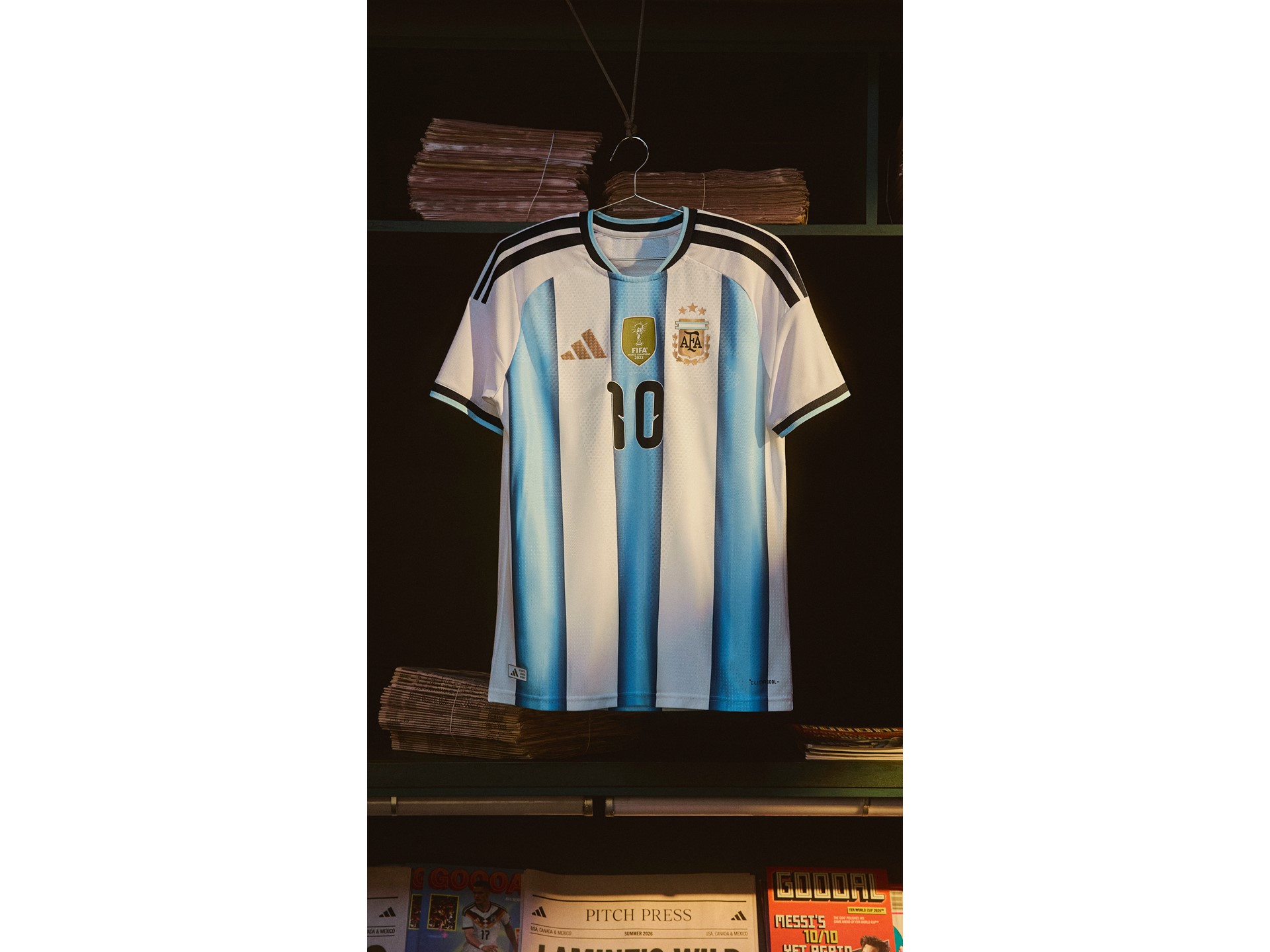
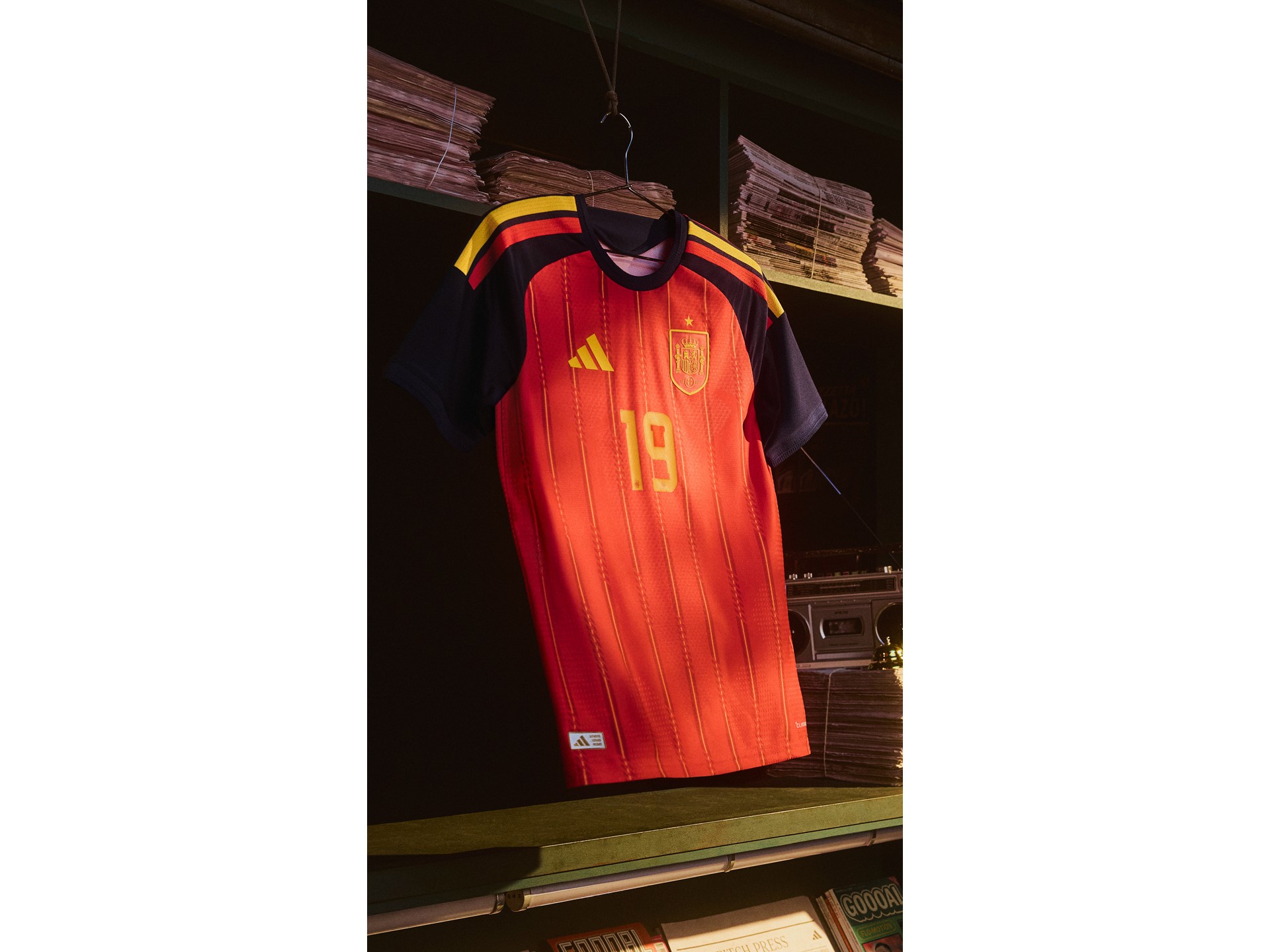
Most people ruin their first football shirt within five washes
You spent £75 on a brand new England kit. You wore it to the pub. You sweated through it during the penalties. You came home, threw it in the washing machine on the same hot cycle as your towels, and pulled it out the next morning to find the name on the back is now flaking off, the badge is curling at the edges, and the white sleeves have a faint grey tint.
Football shirts are deceptively fragile. The plastic prints on the back, the heat-transfer badges, the polyester technical fabrics — they all hate the standard UK washing routine. Here's how to actually wash a football shirt so it lasts more than one cycle.
The basics — temperature and detergent
Temperature: 30°C max
Hot water destroys football shirts. The plastic name and number prints peel at temperatures above 40°C. The sponsor logos fade. The performance fabrics lose their shape.
Always wash football shirts at 30°C or below. If your machine has a cold cycle (20°C or even no-heat), use it. Modern detergents work fine at low temperatures and the colours stay vibrant for years longer.
Detergent: liquid, not powder
Powder detergents leave residue on synthetic fabrics. That residue is what makes white sleeves look grey after a few washes. Liquid detergent dissolves cleanly and rinses out properly.
Skip fabric softener entirely. Softener coats the fabric in a film that blocks the moisture-wicking technology in modern kits, so you'll sweat into the shirt and it won't dry properly. Football shirts are designed to handle sweat — they don't need softener.
Bleach: never
Don't bleach a football shirt. Even white shirts. Bleach destroys the synthetic fibres and accelerates print peeling. If your white shirt is dirty, use a colour-safe stain remover and a normal cool wash.
The proper wash routine — five steps
- Turn it inside out before washing. Always. The print on the back is the most fragile part of the shirt. Inside-out washing protects the print from friction against other clothes in the drum.
- Zip up the wash bag (recommended). Use a mesh laundry bag for the shirt. Costs £4 on Amazon. Stops the shirt getting tangled with other items and protects the print.
- Wash with similar colours only. Bright shirts (Brazil yellow, Mexico green, Netherlands orange, Argentina sky blue) should not be washed with whites. The dyes can run on the first wash.
- Spin cycle: low. High-speed spinning stretches the fabric. Use 800rpm or below.
- Air dry, never tumble. Tumble dryers will destroy a football shirt. The heat melts the print, the friction wears the fabric, and the shape shrinks. Hang the shirt to dry on a hanger (turned right-way-out at this point) — never on a clothesline by the shoulders, which leaves clothesline marks. Indoor drying away from direct sunlight is ideal.
Ironing a football shirt — only if you must
You shouldn't need to iron a football shirt if you've hung it to dry properly. If you do need to iron one:
- Use the lowest heat setting on your iron (cool/synthetic)
- Always iron inside-out
- Never iron directly over the print, badge or numbers — these will melt and stick to the iron
- If you must iron over the front of the shirt, place a thin cotton tea towel between the iron and the shirt as a barrier
Honestly, just hang it properly and skip the ironing. Football shirts are designed to look casual, not crisp.
Stain removal for the common matchday disasters
Beer stain
Cold water rinse immediately. The longer beer sits, the harder it becomes to remove. Once you're home, soak the affected area in cold water with a small amount of liquid detergent for 30 minutes before washing. Standard cold wash will finish the job.
Curry sauce / kebab grease
The classic post-pub disaster. Cold water rinse is critical — hot water sets oil stains permanently. Apply washing-up liquid directly to the stain (it's designed to break down oil) and gently rub. Leave for 10 minutes. Cold wash.
Grass stain
Pre-treat with a colour-safe stain remover and let it sit for 30 minutes before washing. Grass stains are protein-based and respond well to enzyme detergents.
Sweat stains (yellow underarm marks)
The hardest stain to remove from a white football shirt because it's caused by aluminium salts in deodorant reacting with sweat. Pre-soak in cold water with a scoop of OxiClean for 60 minutes before a normal wash. Repeat if needed. Switch to an aluminium-free deodorant to prevent recurrence.
Storage — when you're not wearing it
- Hang on a wide-shoulder hanger. Wire hangers leave shoulder bumps that don't come out.
- Don't fold long-term. Folded shirts develop crease lines through the print. Hanging is always better.
- Avoid direct sunlight. Sun fades dyes faster than washing does. If your wardrobe gets sunlight, store the shirt in a cotton garment bag.
- Don't store in plastic. Plastic traps moisture and leads to mildew on the fabric.
Special care for authentic / player-version shirts
Authentic shirts (Nike Vaporknit, Adidas Heat.rdy, Puma Ultraweave) are even more fragile than replica shirts because they use lighter performance fabrics. Treat them as follows:
- Wash at 30°C maximum — preferably cold
- Use a delicates cycle if your machine has one
- Always wash in a mesh bag
- Air dry only — never tumble
- Never iron
If you've spent £110+ on an authentic shirt, treat it like a delicate item. It's not built to handle a normal weekly wash routine.
The TL;DR routine that protects every football shirt
- Inside out, in a mesh bag
- Cold or 30°C wash
- Liquid detergent, no softener, no bleach
- Low spin (800rpm or below)
- Hang dry on a wide-shoulder hanger, away from direct sunlight
- Skip the iron if possible
Follow this routine and your World Cup 2026 kit will still look new in 2030. Don't follow it and the print will start cracking by August 2026.
For more buying advice on kits and how to spot fakes before they end up in your wash basket, see our UK shirt sizing guide and the how to spot a fake football shirt guide.