The football is going to be fine. The fans are going to be unforgettable.
Every World Cup, the football media spends 95% of the build-up talking about the football. Squads, formations, who's injured, who's the dark horse, who's going to win Pot 1. And every World Cup, the actual defining story turns out to be the fans.
Italia 90 was about the Italian fans turning Rome into a 30-day street party. France 98 was about the multiculturalism of the host nation. Germany 2006 was about Germany rediscovering it was allowed to be patriotic. Russia 2018 was about the Argentina fans descending on Moscow. Qatar 2022 was about the South Asian migrant workers who built the stadiums.
2026 is going to be the biggest fan story in tournament history, and almost nobody is writing about it yet.
The diaspora effect
The United States is hosting the largest World Cup ever played, in the country with the largest international football diaspora on Earth. There are more Mexico fans in Los Angeles than in many Mexican cities. There are more Brazil fans in Newark than most Brazilian states. The Italian-American population dwarfs many actual Italian regions. And every immigrant community in the United States is going to descend on the matches involving their nation of origin.
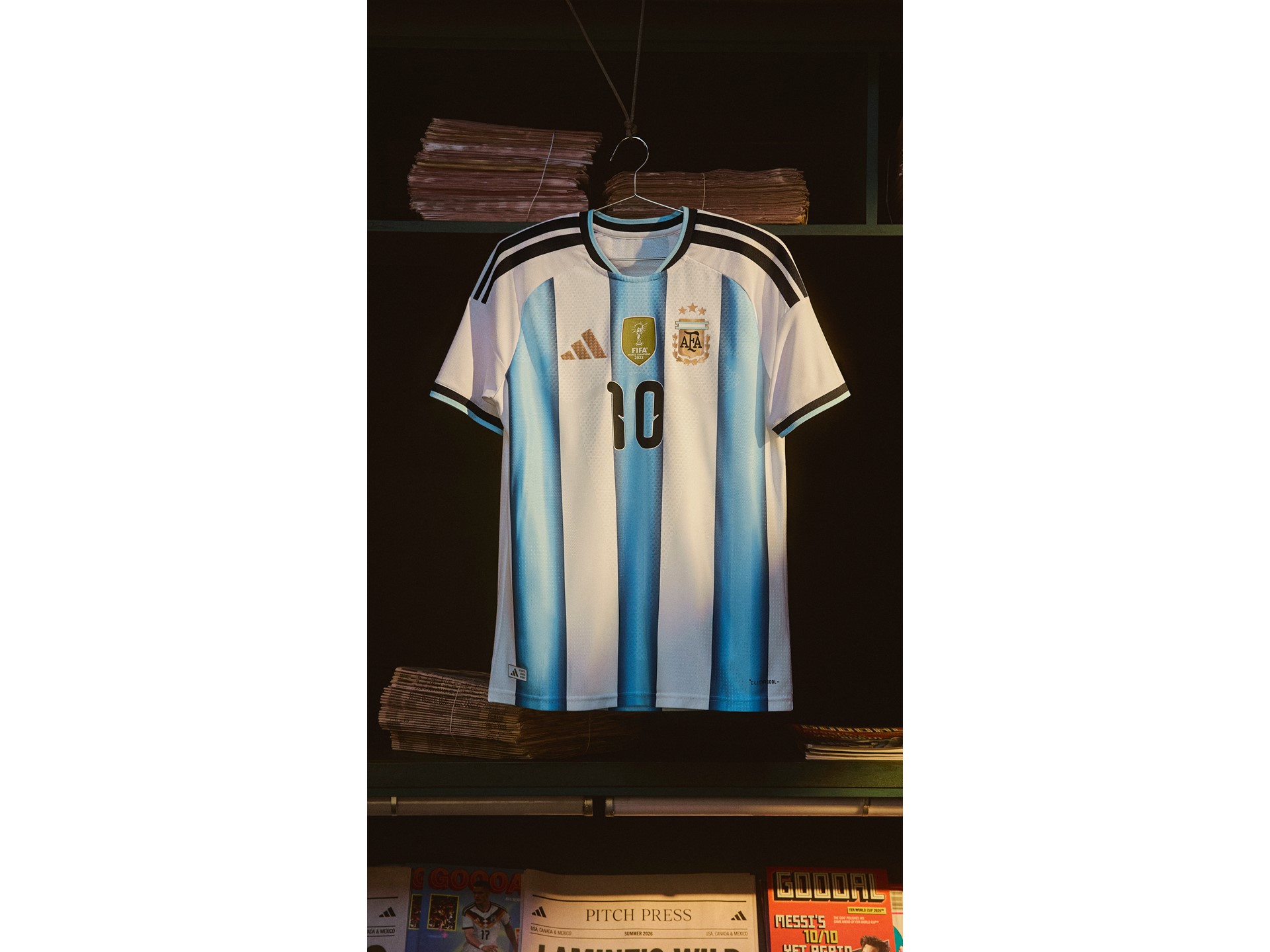
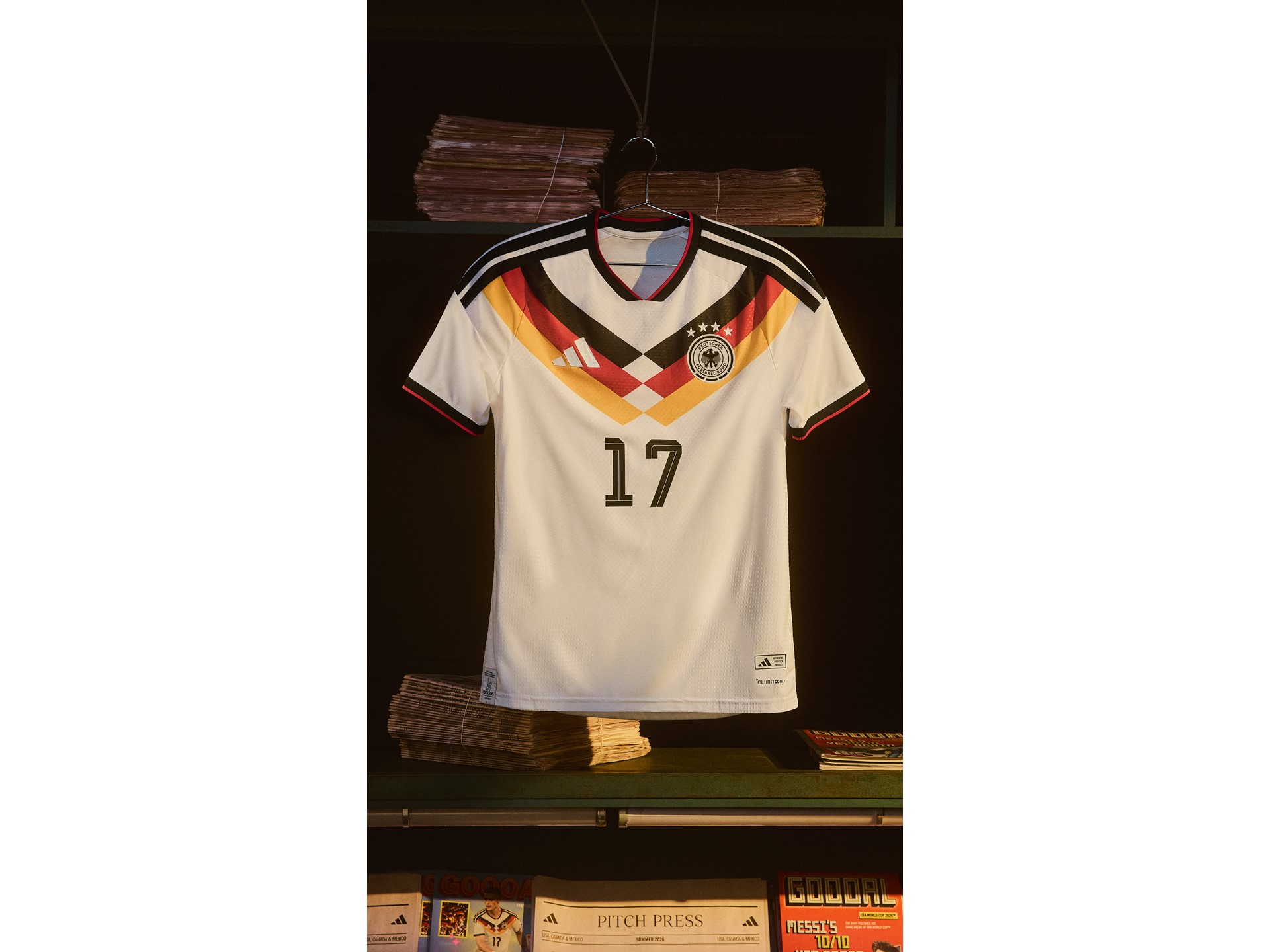
This means every "away" team at the 2026 World Cup is actually playing a home game. Argentina playing in Miami will be 90% Argentina fans. Brazil playing in New York will be 90% Brazil fans. Germany playing in Dallas will be wall-to-wall green-white-red with chants from Bavaria.
This has never happened before at a World Cup. Russia 2018 had travelling Argentina fans. Qatar 2022 had travelling Argentina fans. The 2026 USA tournament will have resident Argentina fans, plus travelling Argentina fans, plus second-generation Argentina-American fans who've waited 30 years for this. Multiplied by every other major nation.
The kit as identity
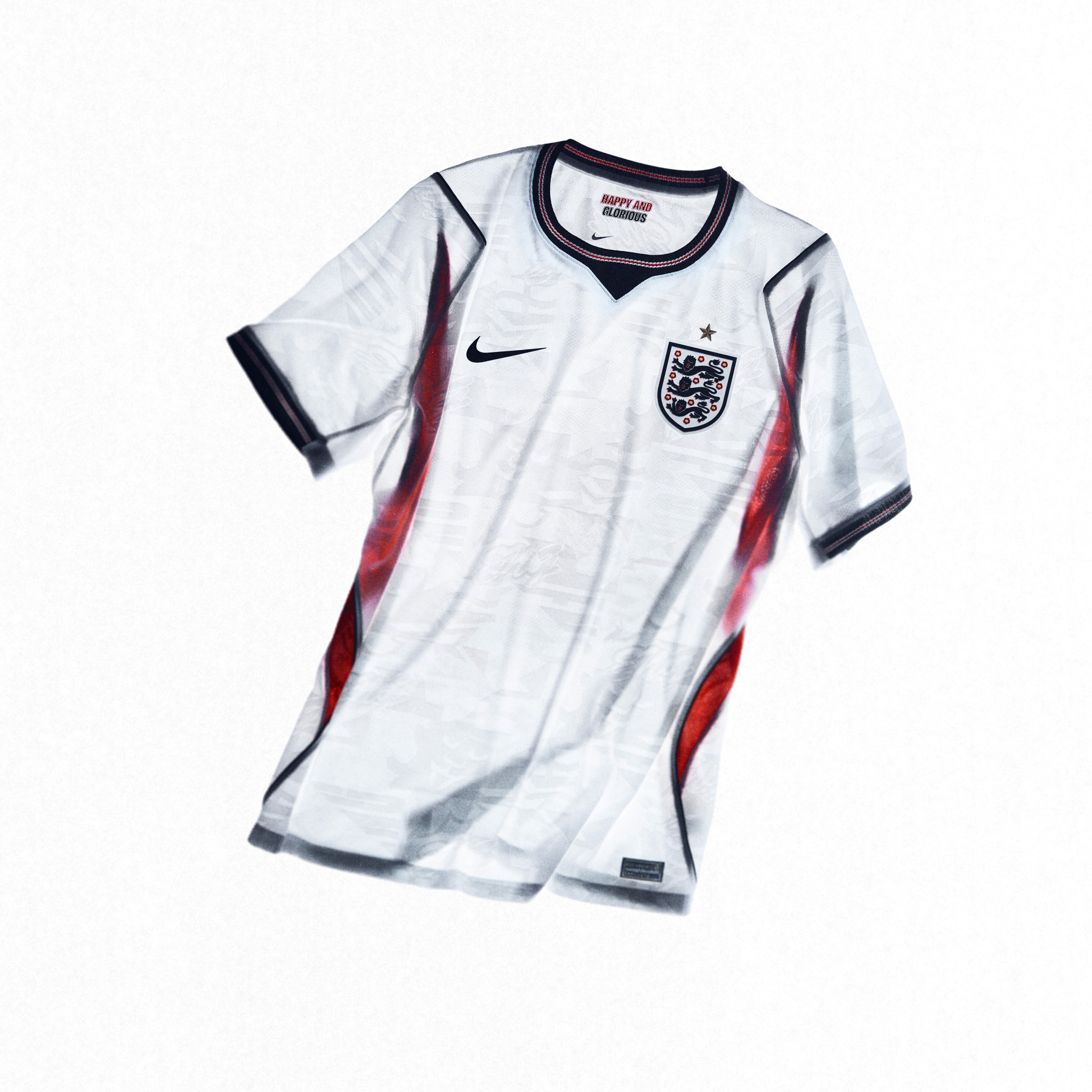
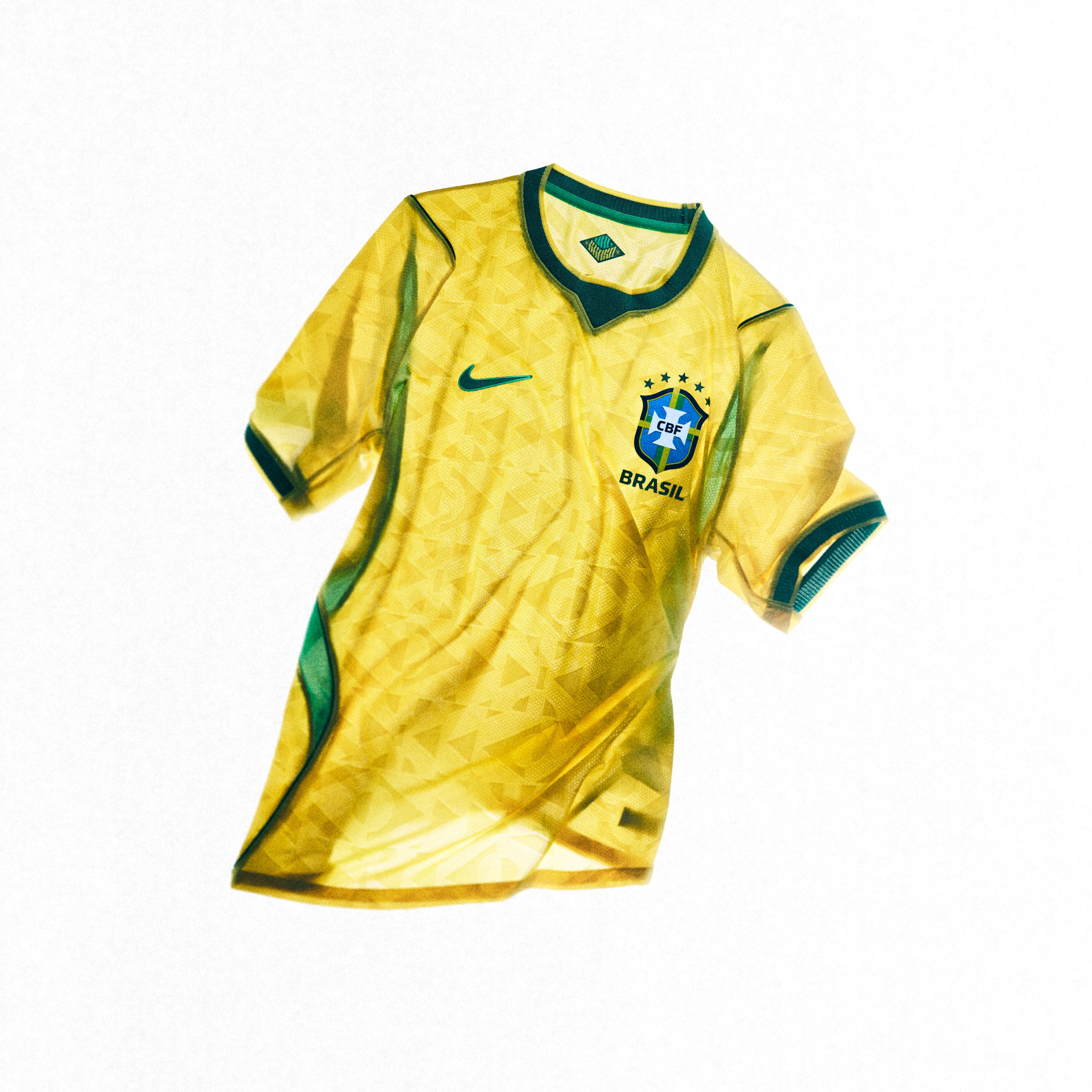
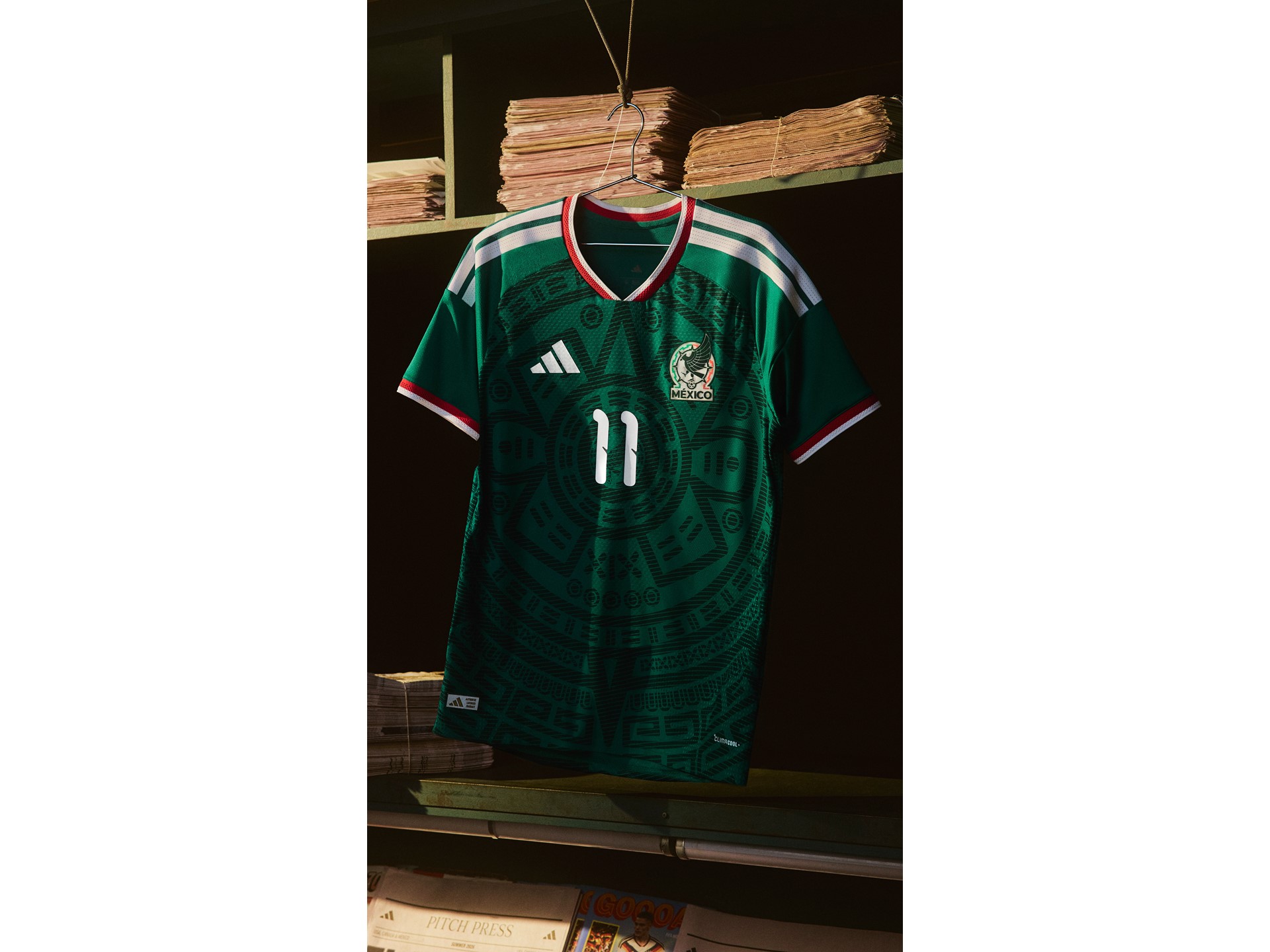
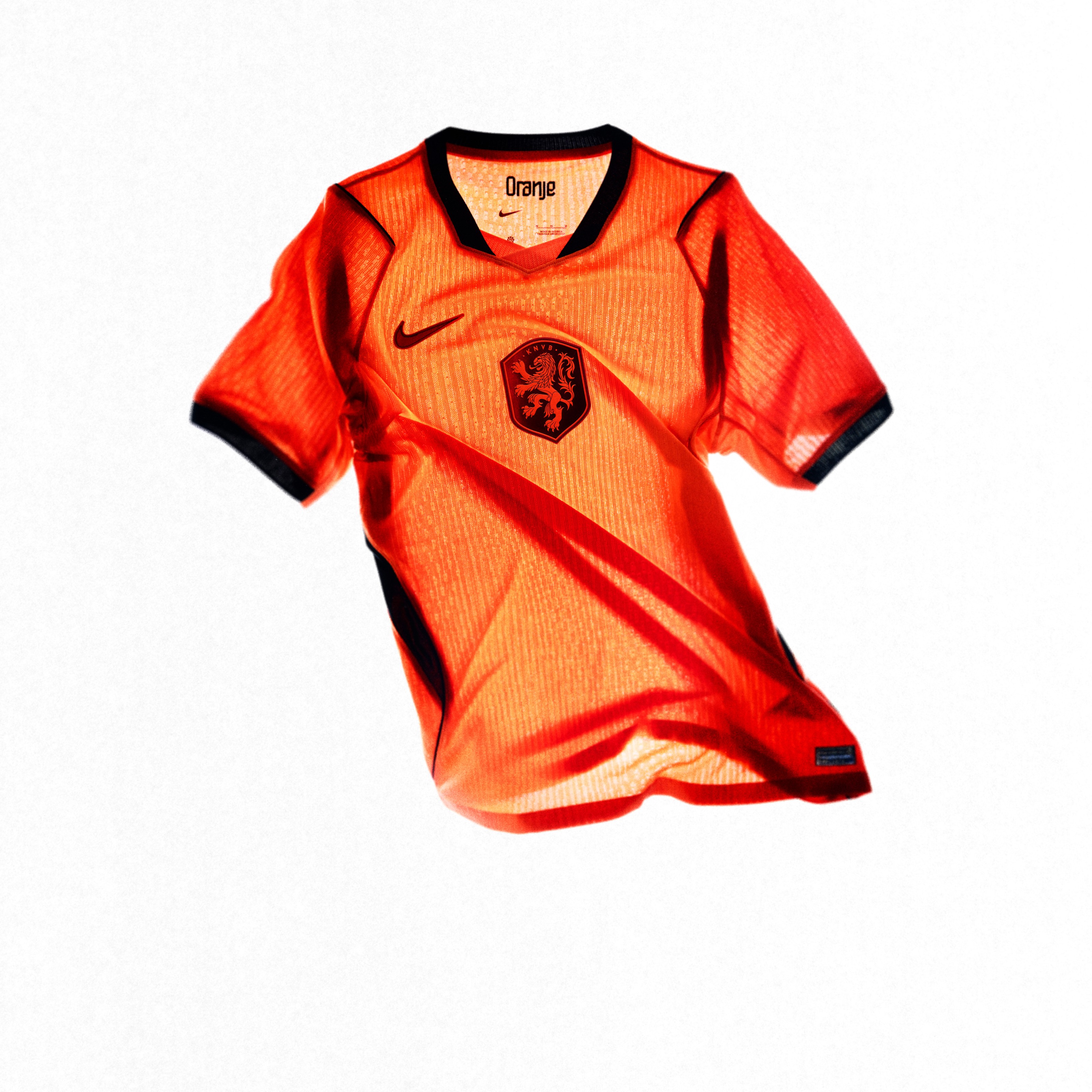
This is the part of the fan culture story that connects directly to football kits. In the United States, football shirts function differently to how they do in Europe. They're not match-day-only items. They're identity statements. People wear their nation's kit to work, to dinner, to the gym. The shirt is how second-generation immigrants signal which side they're on without having to explain anything.
That cultural function explodes during the World Cup. Every international shirt sold in the US between January and July 2026 is a piece of identity infrastructure. Brazil shirts in Newark. Mexico shirts in San Diego. Morocco shirts in Detroit. Italy shirts in Boston (even though Italy isn't at the tournament). Portugal shirts in Newark and Toronto. Each one is the wearer saying "this is who I am, this is who I'm watching with, this is the team I lose sleep over".
The kit is the medium. The fan culture is the message.
The travel angle
Most people don't realise how many people travel to watch World Cup football. The 2018 World Cup in Russia attracted nearly 3 million ticketed attendees, with the majority of them international travellers. Qatar 2022 hit similar numbers despite being a much smaller host country. The 2026 World Cup is going to dwarf both because the United States is one of the most travelled-to countries on Earth, with established air infrastructure to every major football nation.
The 16 host cities are going to spend six weeks operating at maximum tourism capacity. Hotel prices in LA, New York, Dallas and Mexico City are going to be brutal. Restaurants in every host city are going to have football TVs running on every wall. The atmosphere is going to be the closest thing to a continental party that the United States has ever hosted.
If you're travelling to any of the host cities, the full host city guide covers stadium capacity, time zones, local fan culture and what to expect on matchday for each.
The watch party economy
For every fan travelling to the United States, there are 100 fans hosting a watch party at home. The 2022 World Cup final was watched by 1.5 billion people globally. The 2026 final, with the United States as a host nation and the most televised tournament in history, is going to break that number.
Watch parties are going to be the dominant fan experience for the 2026 World Cup. Pubs, sports bars, living rooms, restaurants, gardens, balconies — the entire tournament will be experienced primarily through hosted-at-home gatherings rather than stadium attendance. That's why our watch party guide exists. Every projector, every set of beer glasses, every flag and scarf and face paint stick sold between now and 11 June is part of an infrastructure investment in shared experience.
The social media multiplier
The 2022 World Cup produced more viral football moments than any tournament in history because it was the first one played fully in the post-TikTok era. Argentina vs Saudi Arabia, Japan vs Germany, Morocco vs Spain — each one generated more shareable highlight content in 24 hours than entire previous tournaments did in their full duration.
2026 is going to multiply this further. The host nation has the world's largest creator economy. Every American TikTok, YouTube and Instagram account that touches sports is going to be making World Cup content for six straight weeks. The viral moments will be louder, faster and more numerous than 2022. The kit moments — every viral fit pic, every "look at this Brazil shirt" post, every dark horse celebration — will compound on top of the football moments.
What this means for you
If you're planning to follow the World Cup as a fan, three practical takeaways:
- Get your kit early. Popular sizes for major nations always sell out 4-6 weeks before kick-off. The 2026 tournament will be worse because of the diaspora effect described above. Order by mid-May at the latest. All 48 team kit pages here.
- Plan your watch party setup. If you're hosting at home, the gear is cheaper and easier to source now than during the tournament window. Watch party shopping list here.
- Print the wall chart. Free, no signup, all 104 matches with UK BST kick-off times. Pin it to a wall. It becomes the daily focal point for everyone in the household for six weeks. Free PDF here.
The football matters. The fan culture matters more. Both at the same time is why the 2026 World Cup is going to be the biggest sporting event of this decade.