Quick answer
12 groups. 48 teams. 4 pots. 1 brutal draw.
The 2026 FIFA World Cup draw was held in late 2025 in Las Vegas. It split the 48 qualified nations into 12 groups of four (A–L), with each group receiving one team from each of the four seeding pots. The top two from each group plus the eight best third-placed sides progress to the new round of 32.
When was the 2026 World Cup draw?
The 2026 FIFA World Cup draw took place in late 2025, hosted live at a broadcast event in Las Vegas, USA — a deliberately commercial choice that reflected the host nation's scale, the new 48-team format, and FIFA's desire to launch the tournament with maximum US TV exposure.
By the time the draw took place, all qualifying teams from UEFA, CONMEBOL, CAF, AFC and OFC had been confirmed. The remaining six slots were reserved for inter-confederation playoff winners and were entered into the draw as placeholder positions in their assigned pots.
For full qualification details, see the World Cup 2026 qualification standings page.
How the seeding pots worked
With 48 teams instead of 32, FIFA expanded the traditional four-pot system to accommodate the bigger field. Each pot contained twelve nations, ranked primarily by FIFA World Ranking position with host nations protected at the top of Pot 1.
Pot 1 — The big seeds
12 teams
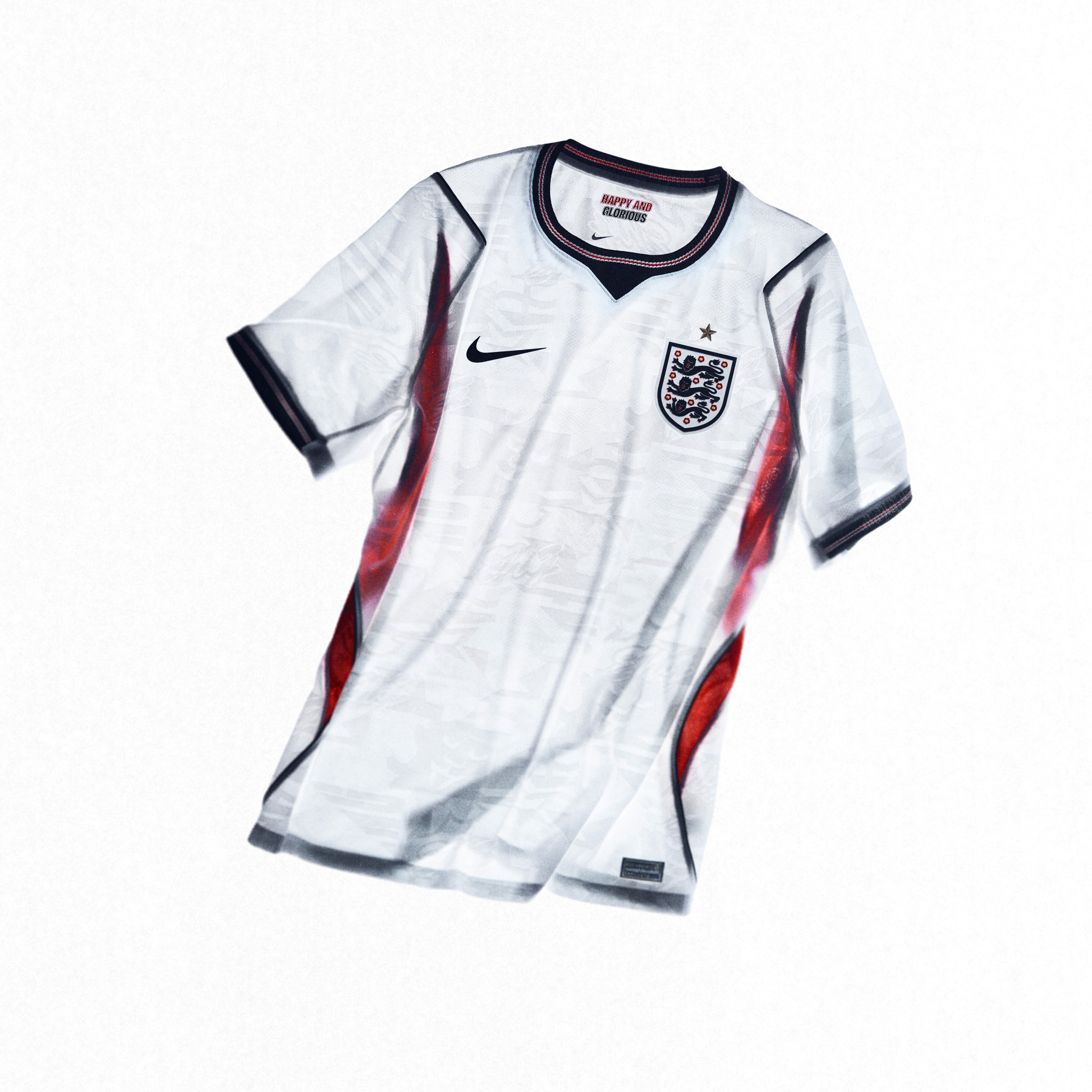
The three host nations (USA, Mexico, Canada) plus the nine highest-ranked teams in the FIFA World Rankings — typically Argentina, France, Spain, England, Brazil, Portugal, Netherlands, Belgium and Germany.
Pot 2 — Tier-1 contenders
12 teams
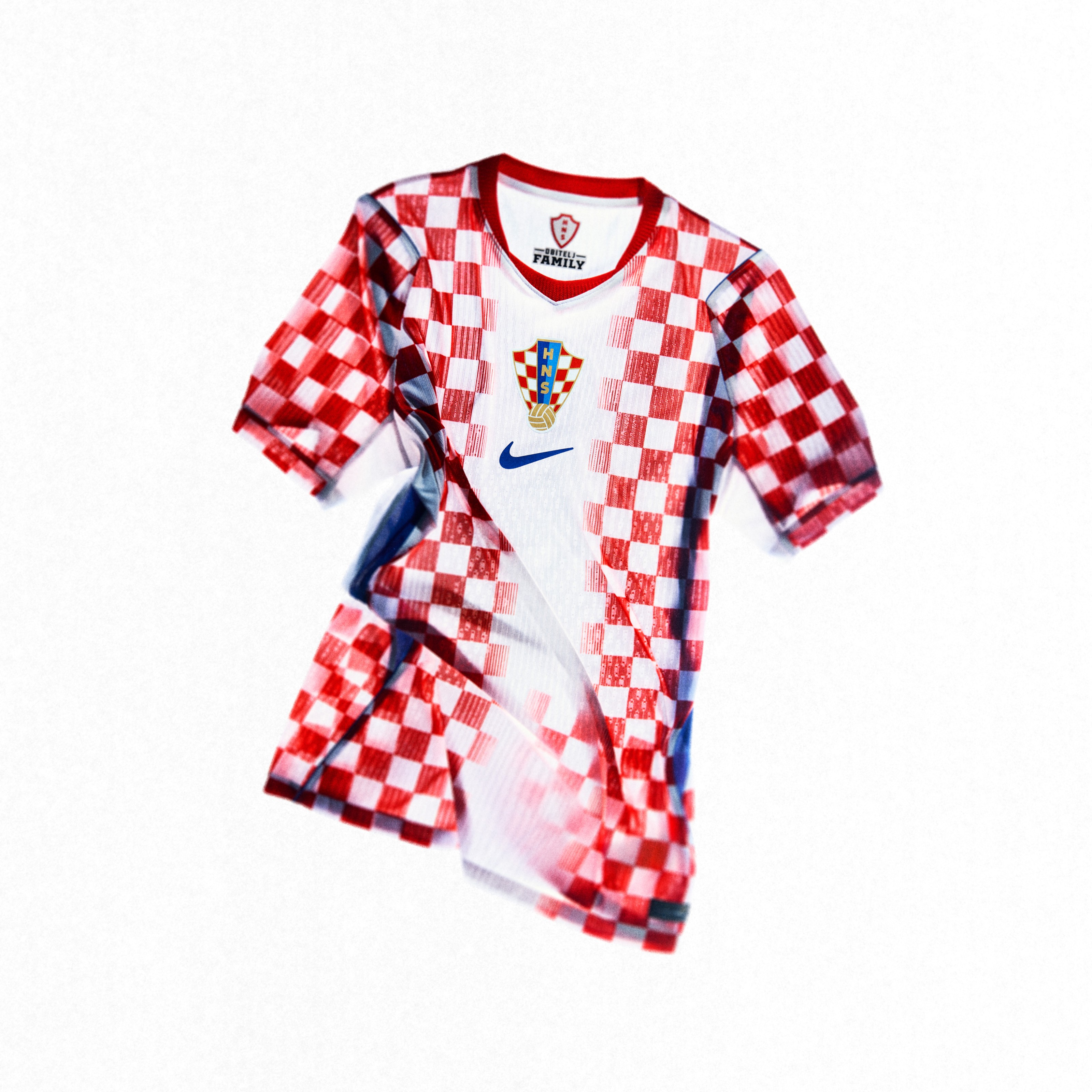
The next 12 teams in the FIFA rankings. This pot historically contains dangerous sides like Croatia, Morocco, Japan, Uruguay and Colombia. Drawing one of these in your group as a Pot 1 team is what turns an "easy" group into a tournament test.
Pot 3 — The dark horses
12 teams
The third tier of the FIFA rankings. Teams like Senegal, Ecuador, Scotland, South Korea and Australia live here. Pot 3 is where the dark-horse upsets come from.
Pot 4 — Playoff slots + tournament debutants
12 teams
The bottom-ranked qualified teams plus the six inter-confederation playoff winners. This pot includes nations making World Cup debuts and lower-ranked CAF/AFC sides. A favourable Pot 4 draw can dramatically ease a group; an unfortunate one can turn even a soft group into a fight.
The 12 groups the draw produced
Tap any group below to open the full hub with fixtures, BST kick-off times, and links to every team kit page. Or jump straight to the leaderboard to vote which group has the best kits.
Group A
Open hub →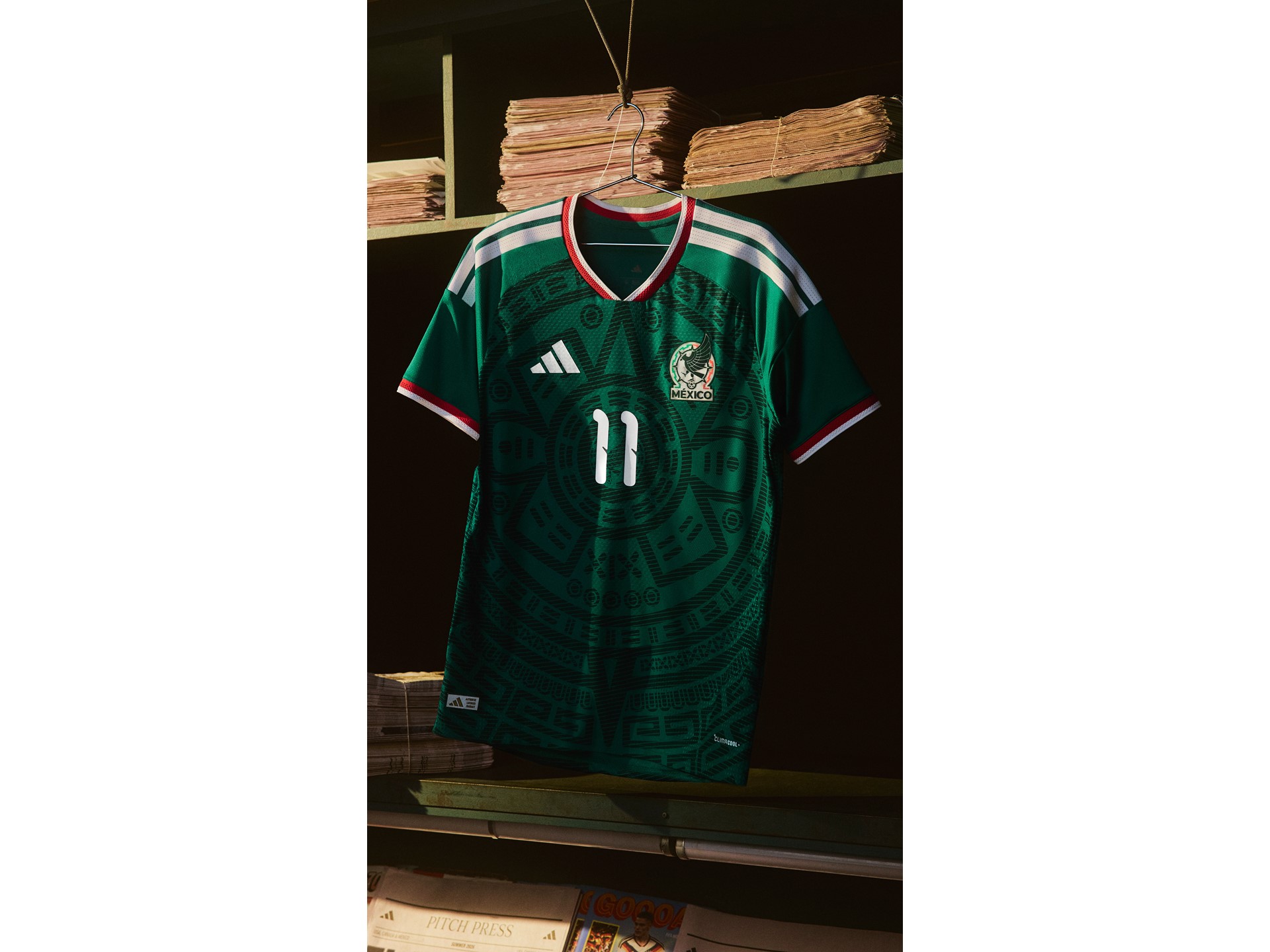
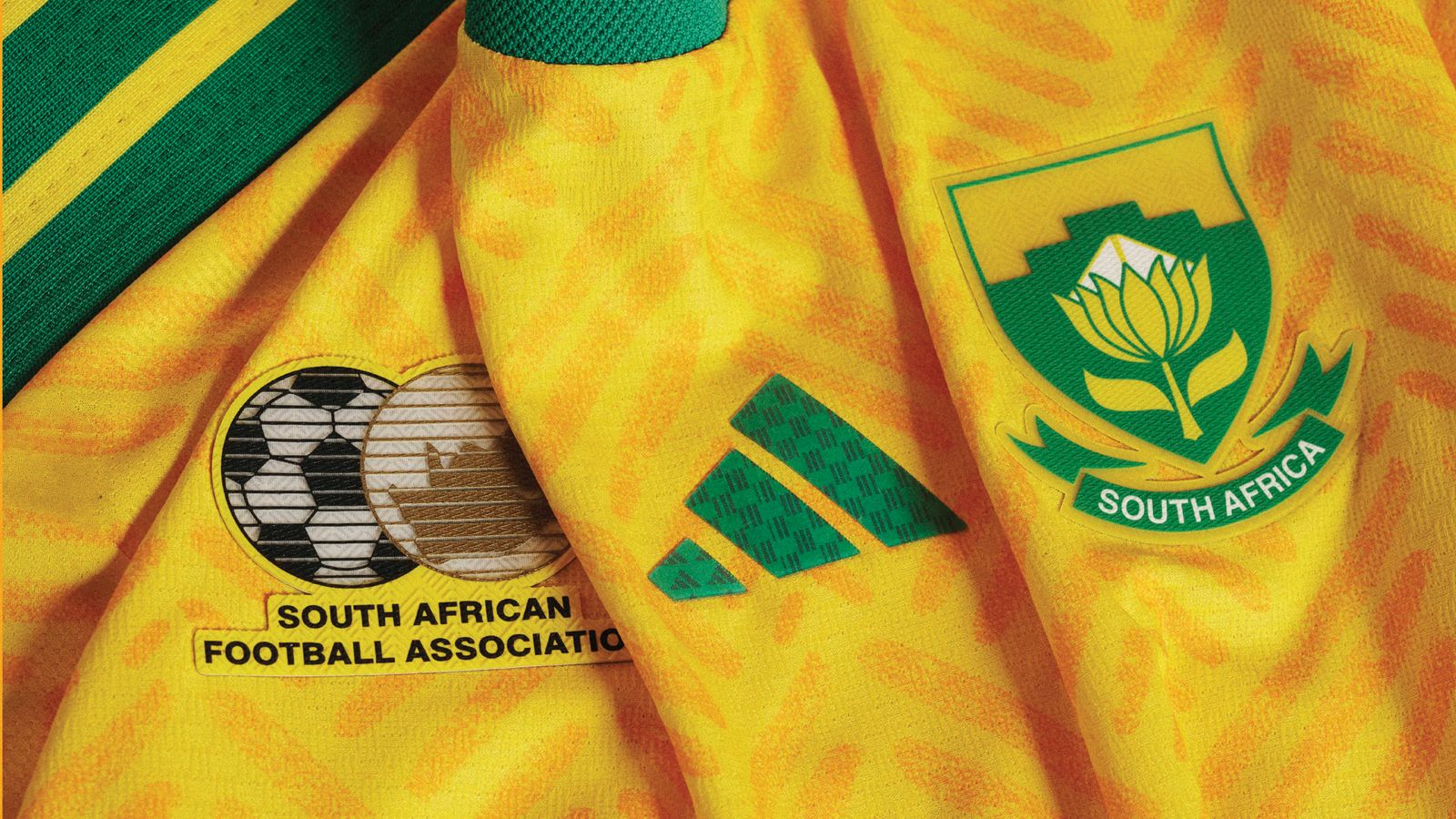
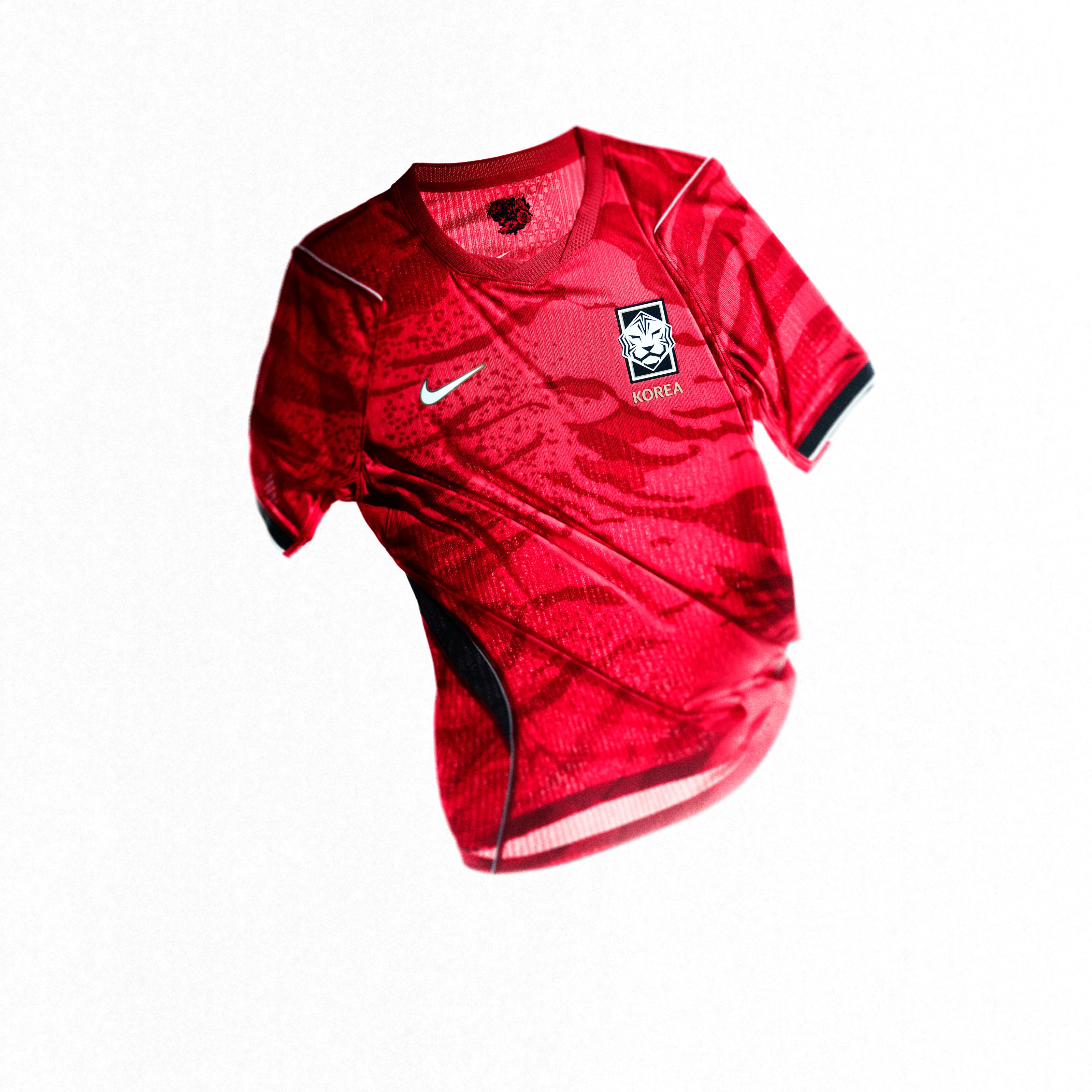
- 🇲🇽 Mexico
- 🇿🇦 South Africa
- 🇰🇷 South Korea
- 🏳️ TBD (Playoff D)
Group B
Open hub →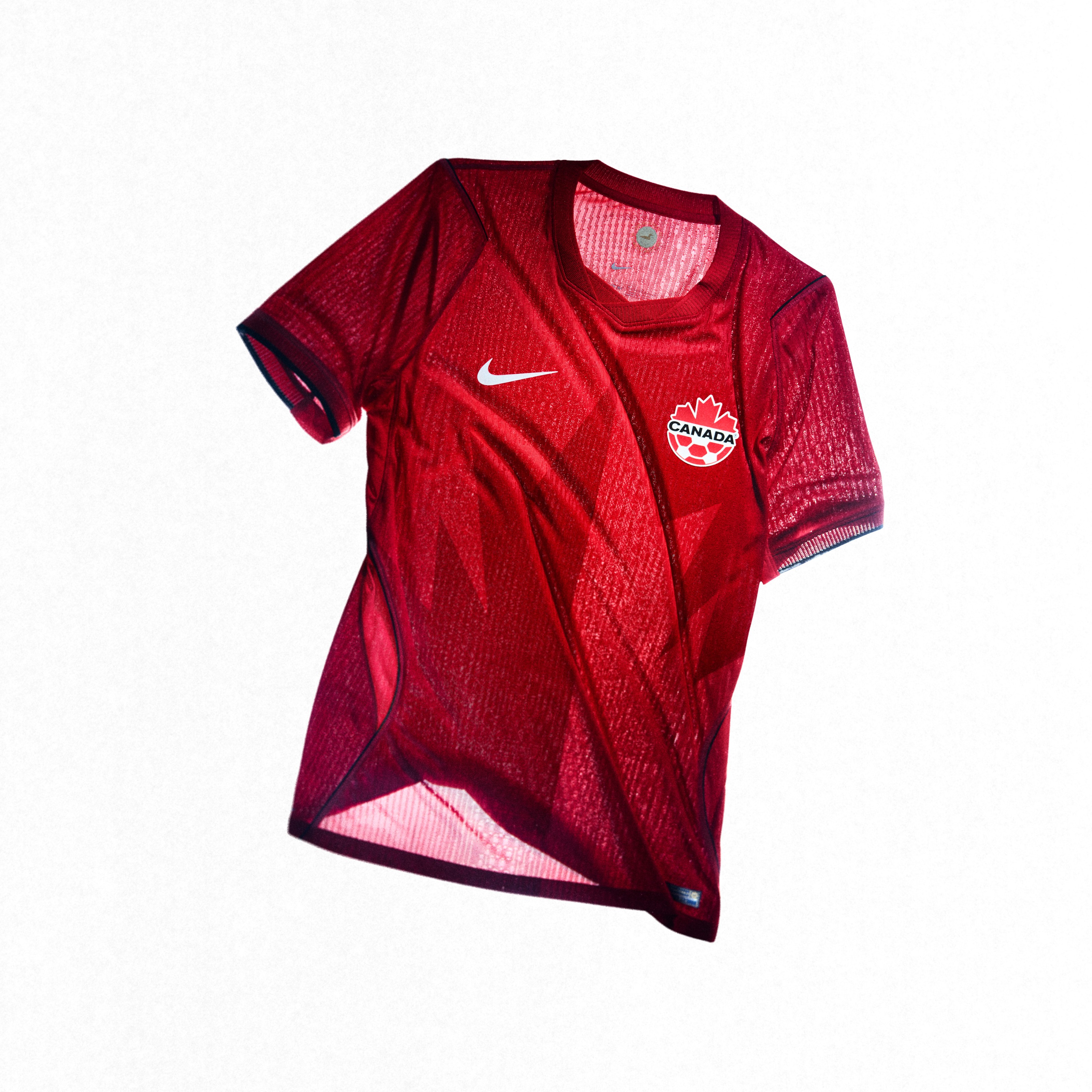
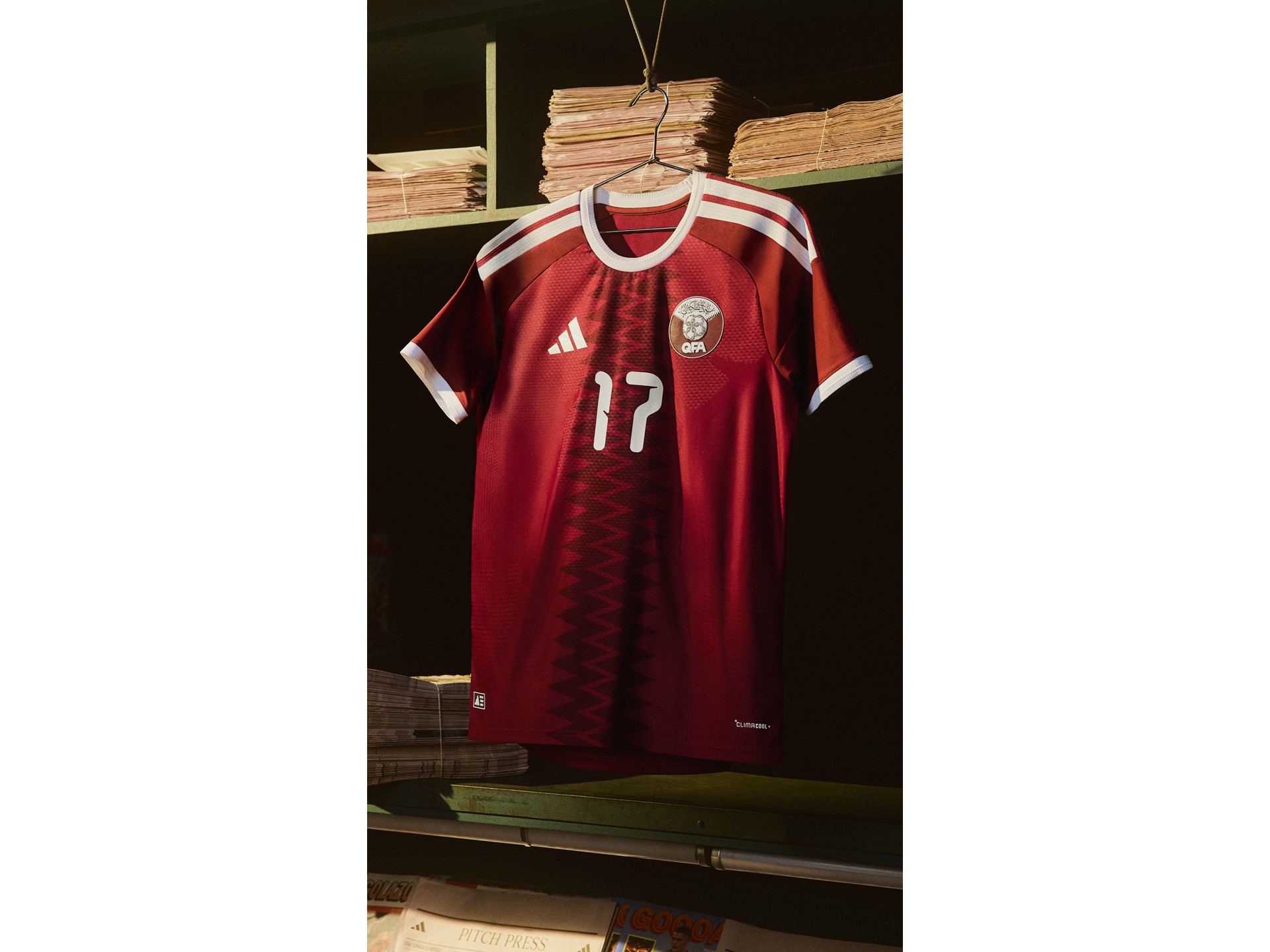
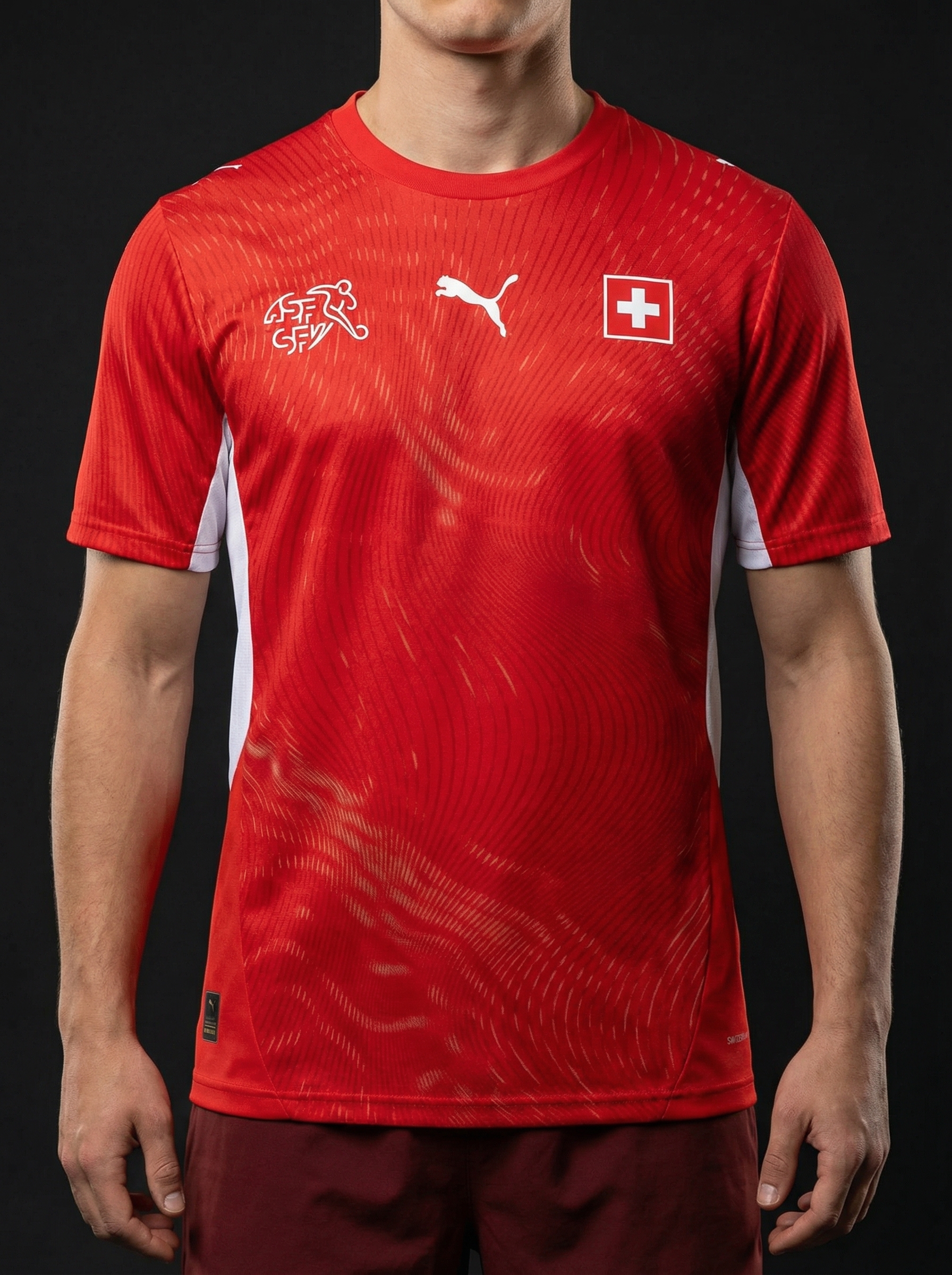
- 🇨🇦 Canada
- 🇶🇦 Qatar
- 🇨🇭 Switzerland
- 🏳️ TBD (Playoff A)
Group C
Open hub →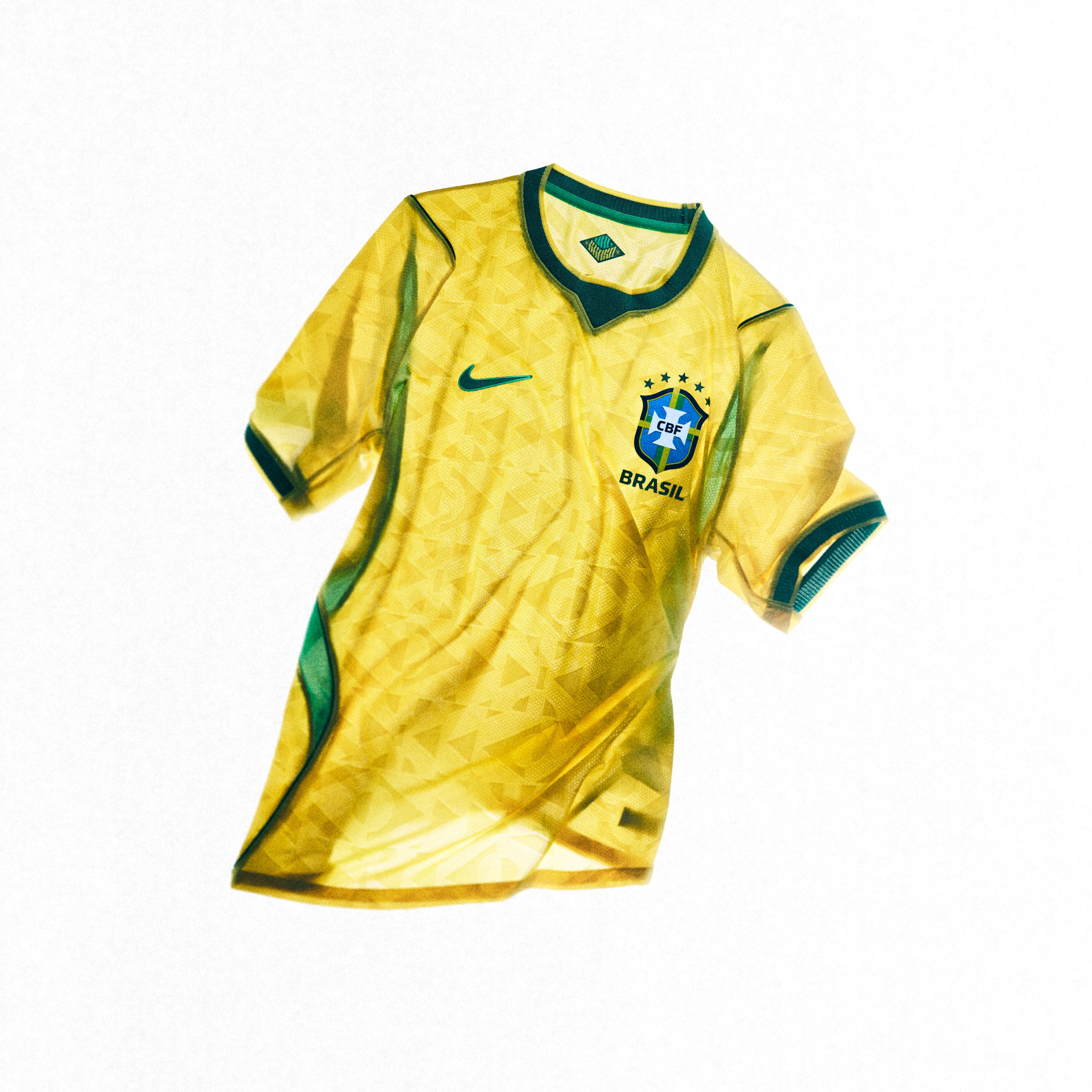
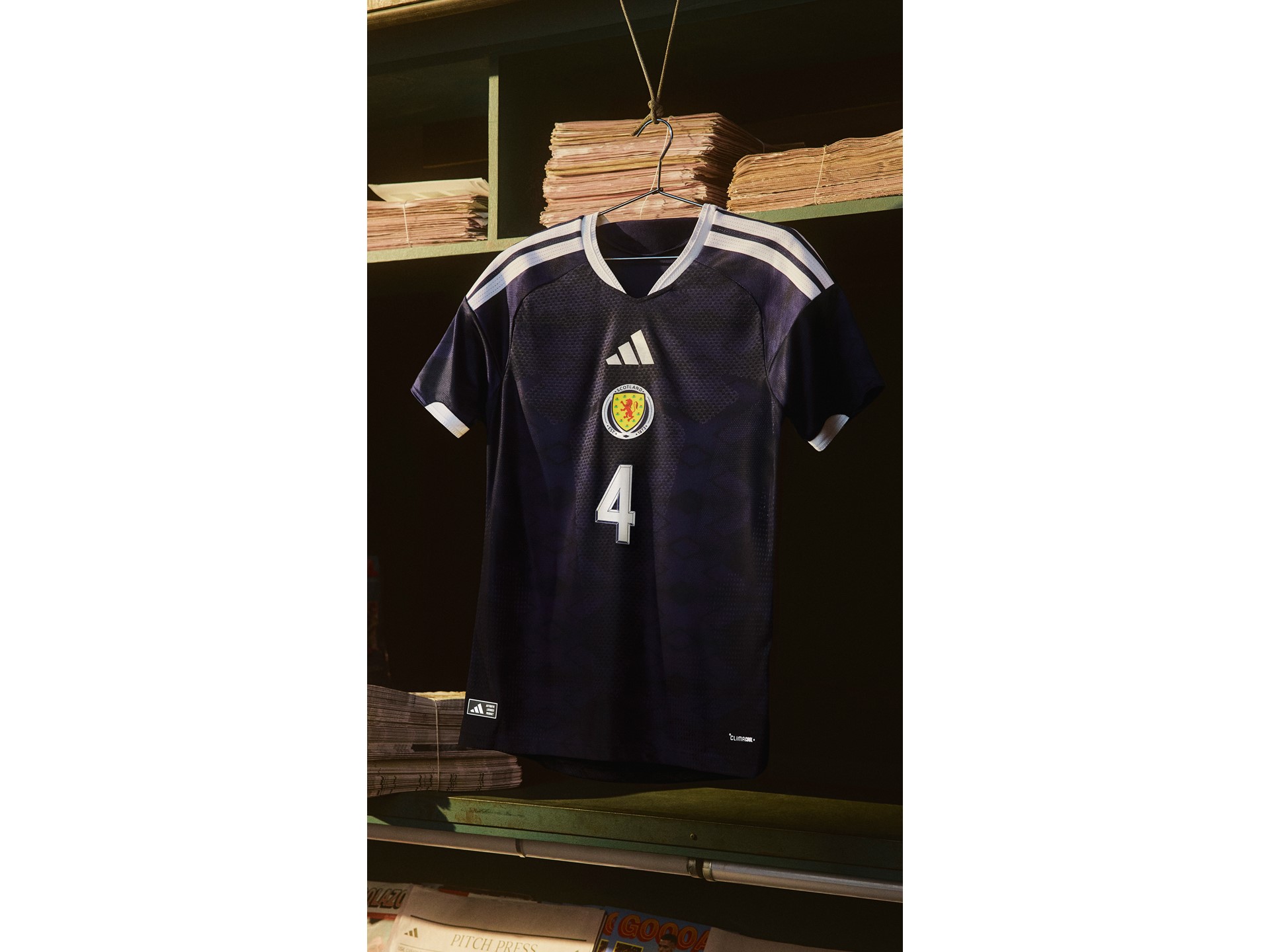
- 🇧🇷 Brazil
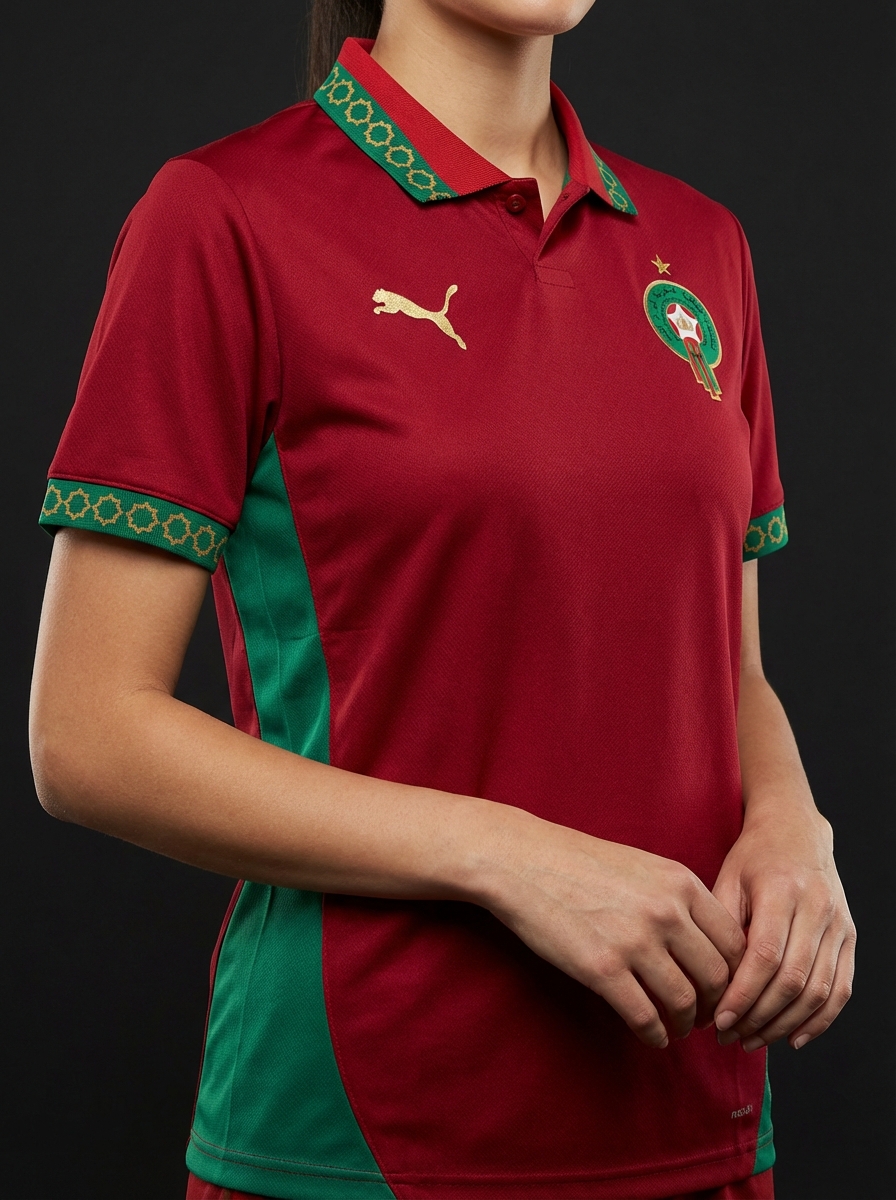
- 🇲🇦 Morocco
- 🇭🇹 Haiti
- 🏴 Scotland
Group D
Open hub →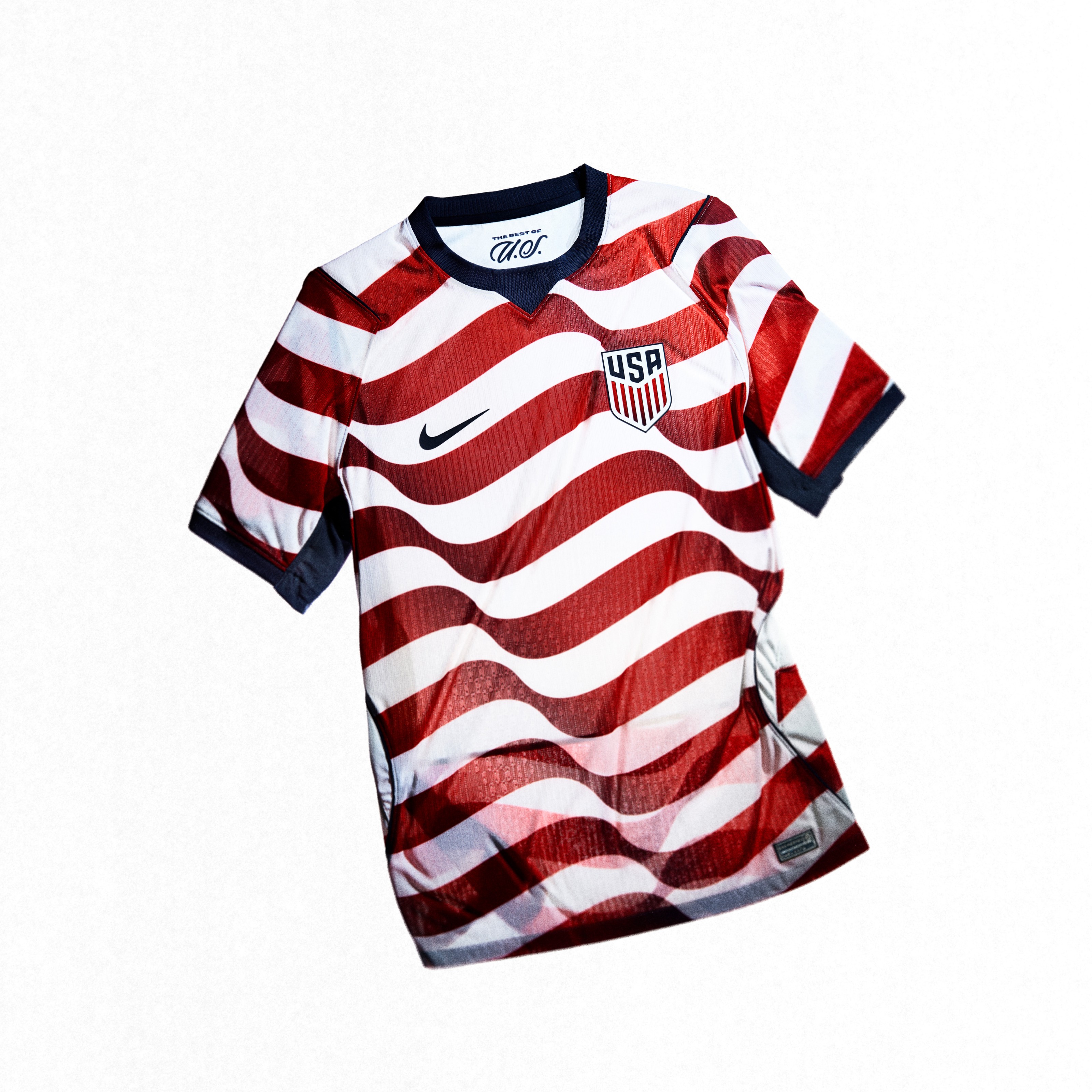

- 🇺🇸 USA
- 🇵🇾 Paraguay
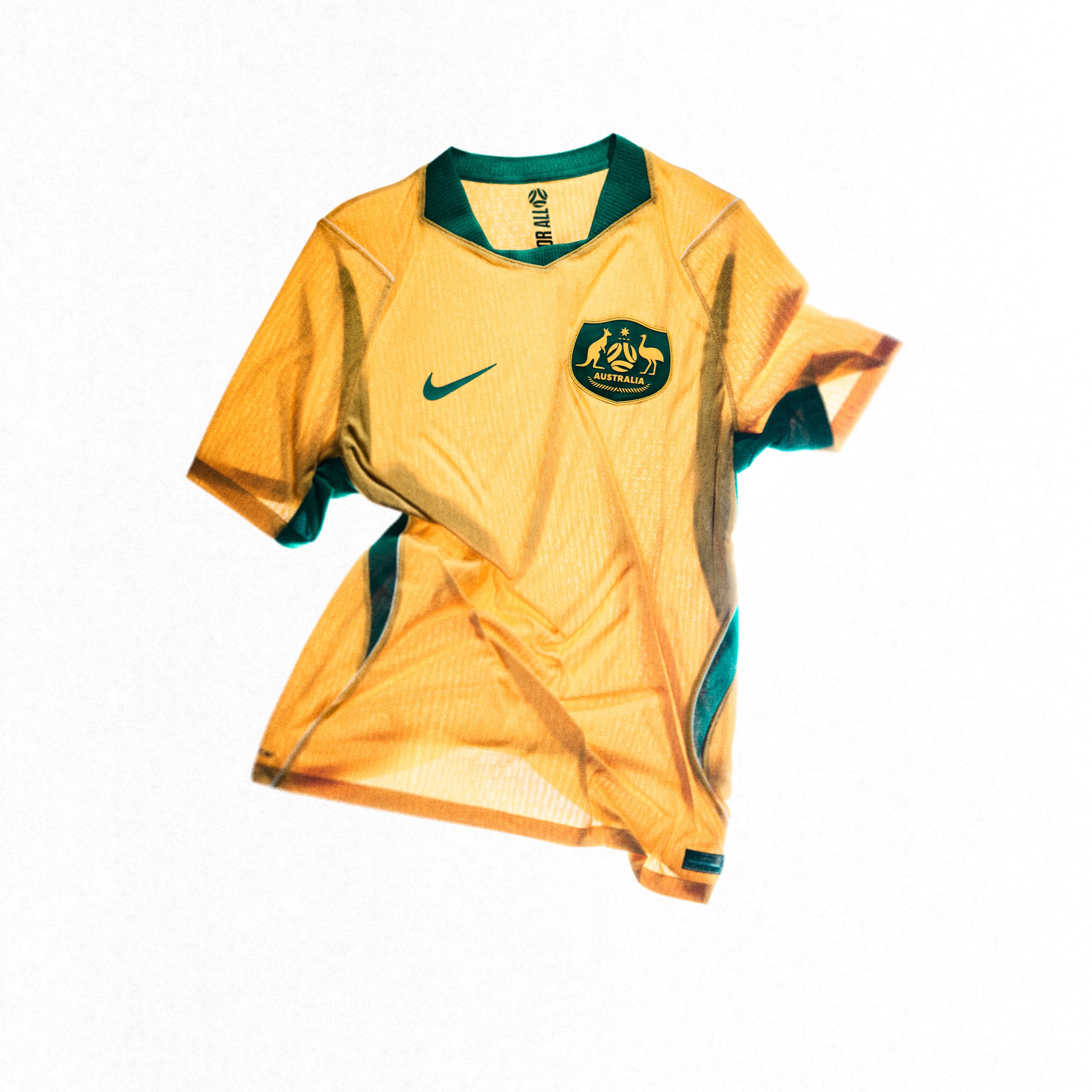
- 🇦🇺 Australia
- 🏳️ TBD (Playoff C)
Group E
Open hub →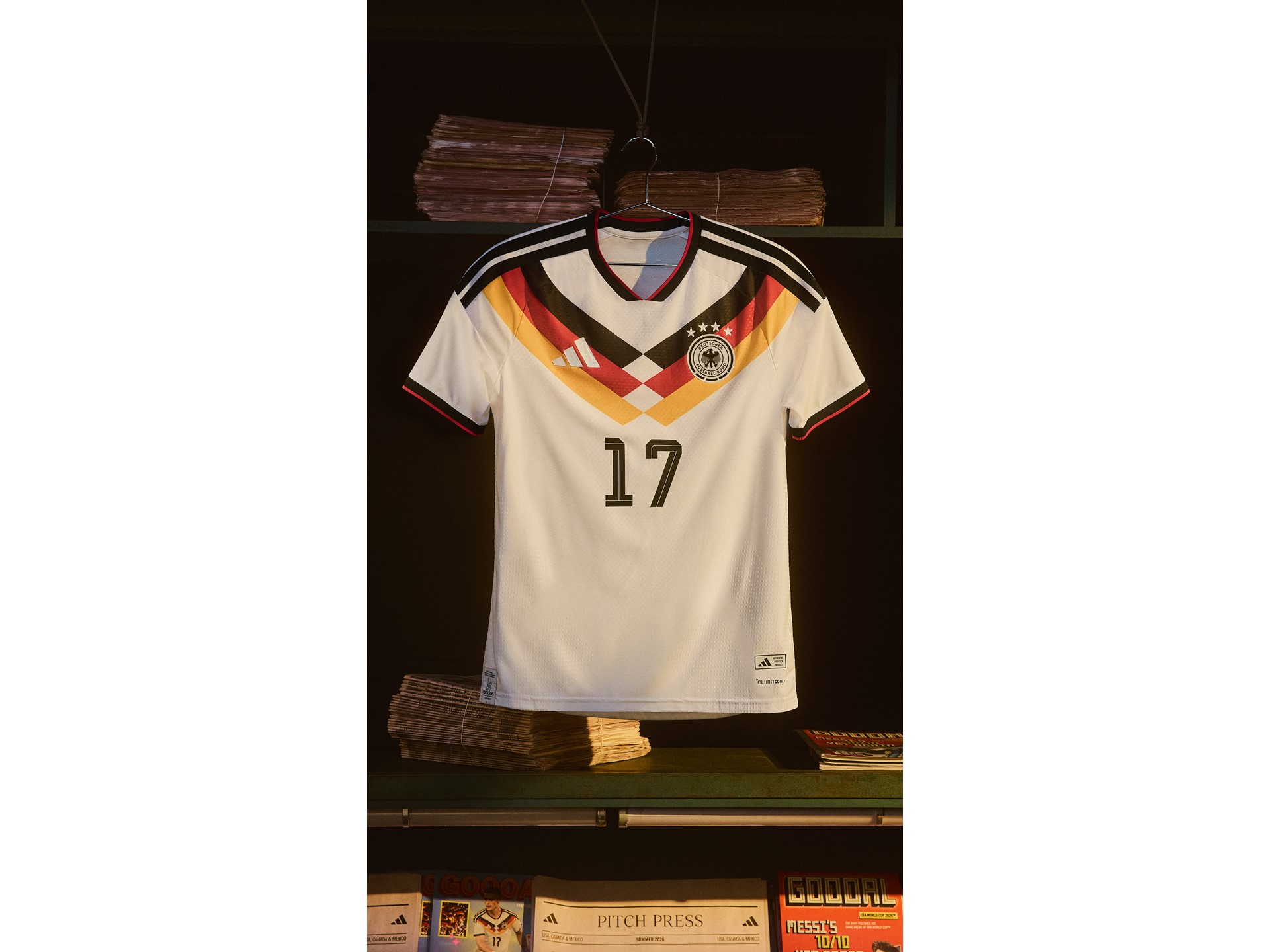
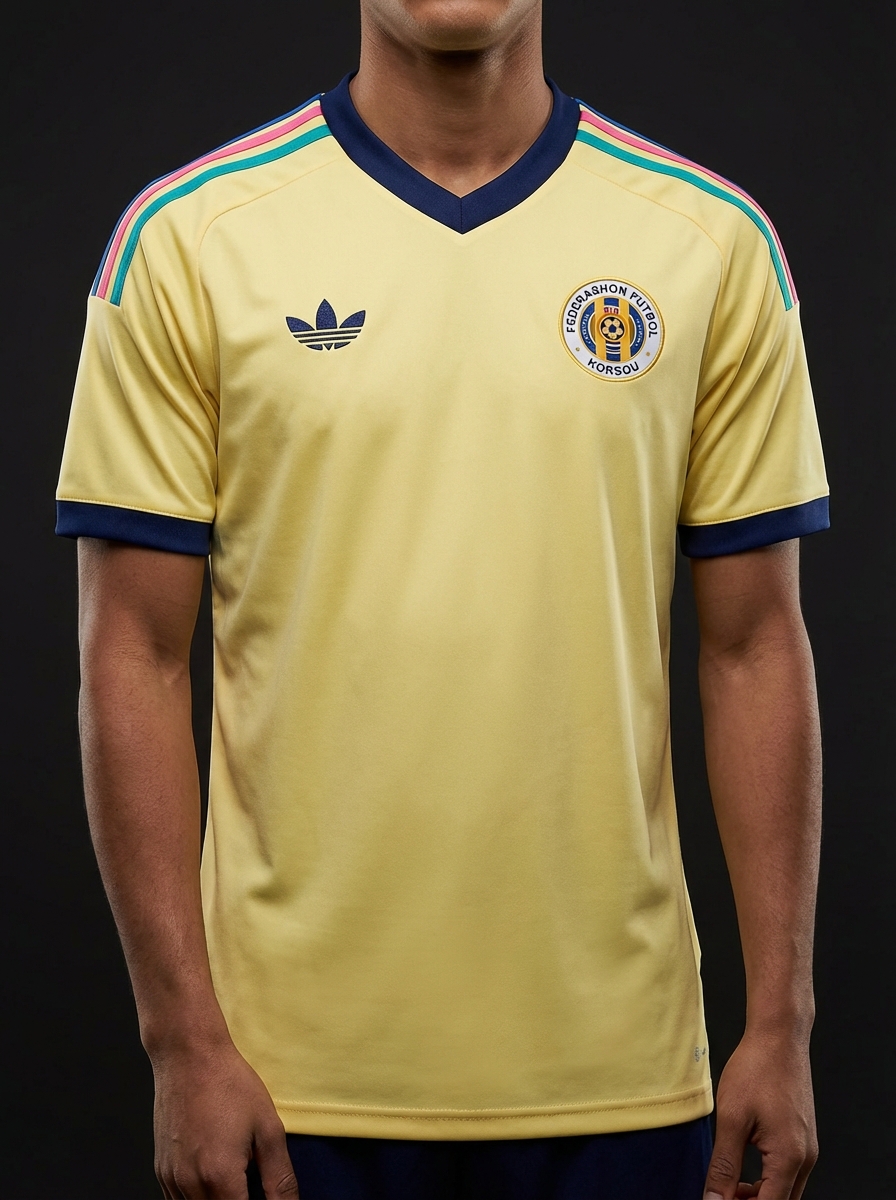
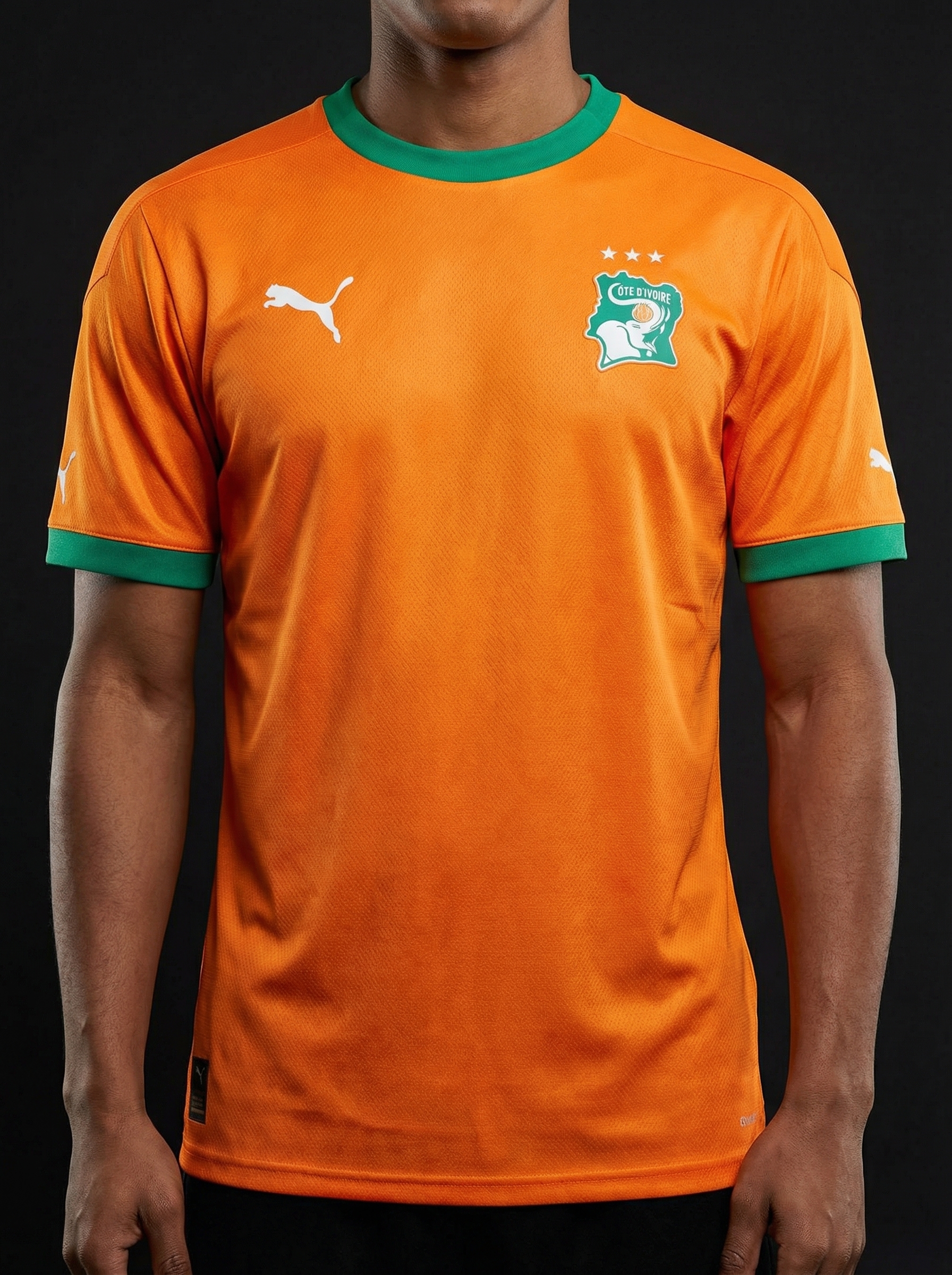
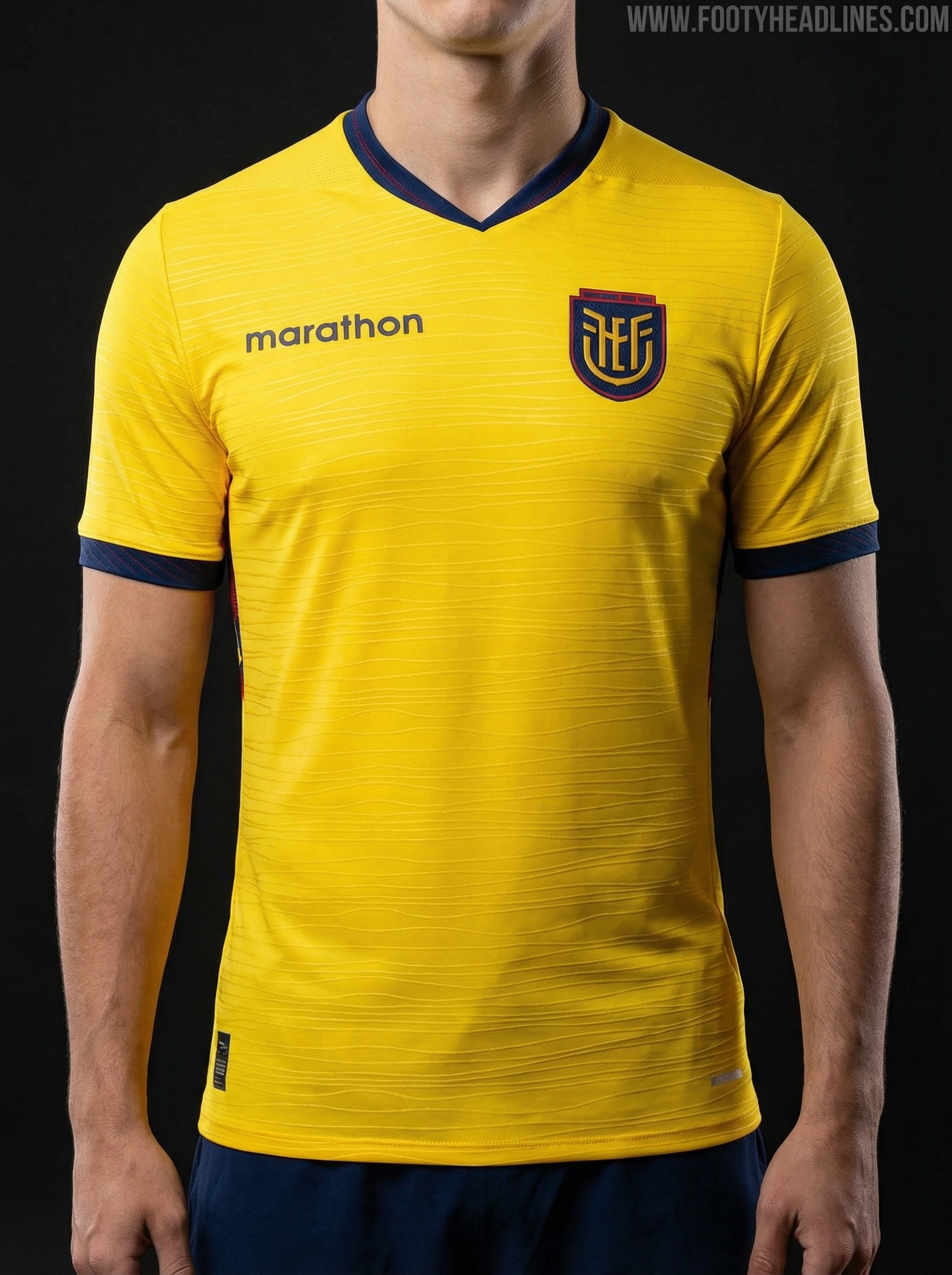
- 🇩🇪 Germany
- 🇨🇼 Curaçao
- 🇨🇮 Ivory Coast
- 🇪🇨 Ecuador
Group F
Open hub →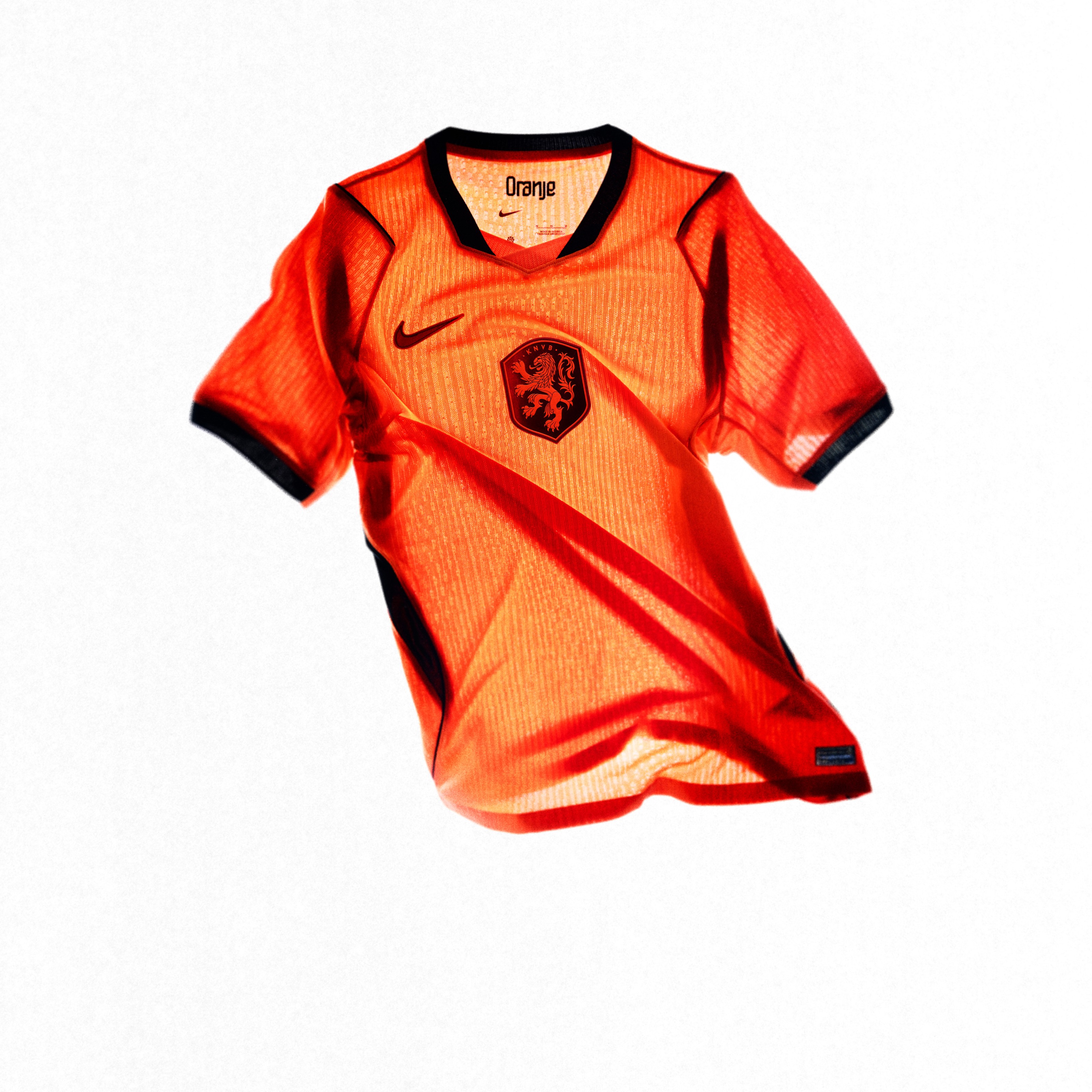
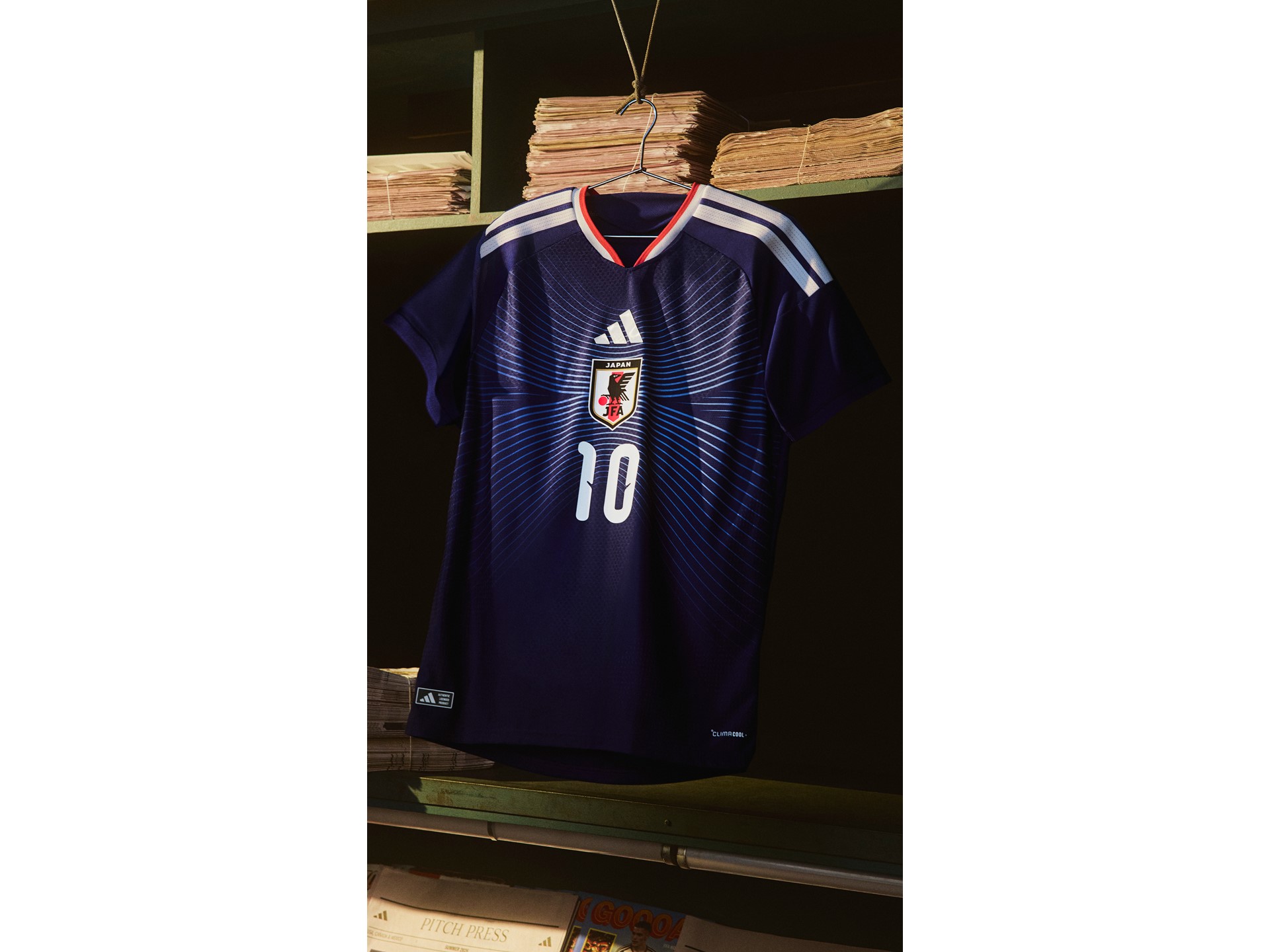
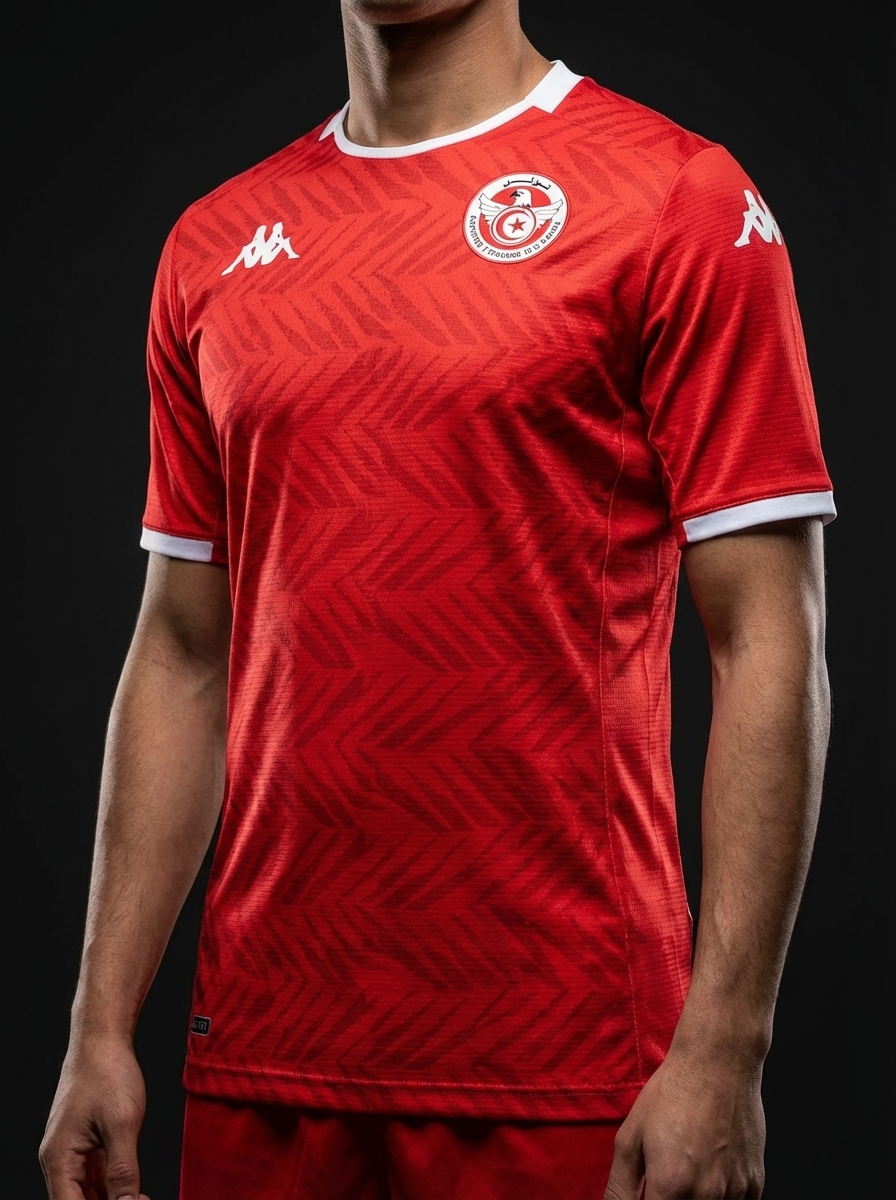
- 🇳🇱 Netherlands
- 🇯🇵 Japan
- 🇹🇳 Tunisia
- 🏳️ TBD (Playoff B)
Group G
Open hub →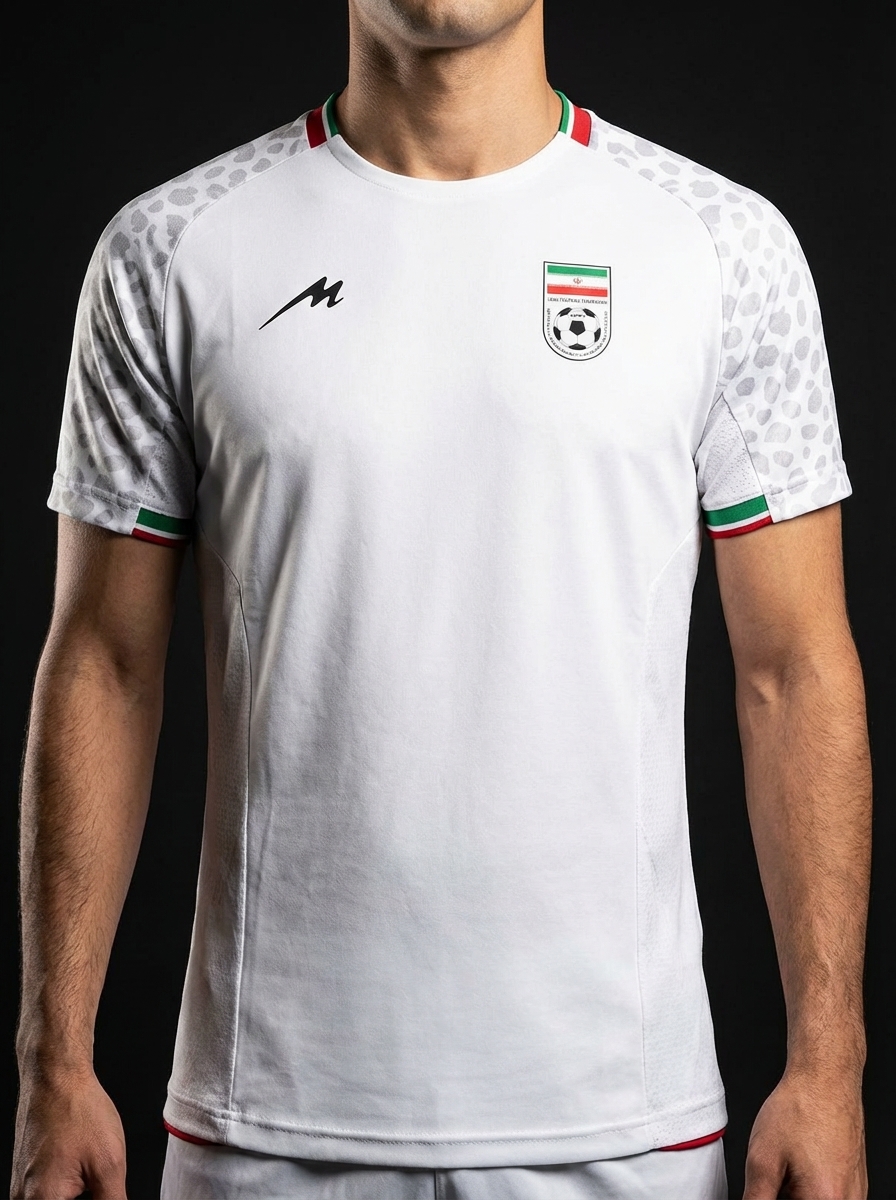
- 🇮🇷 Iran
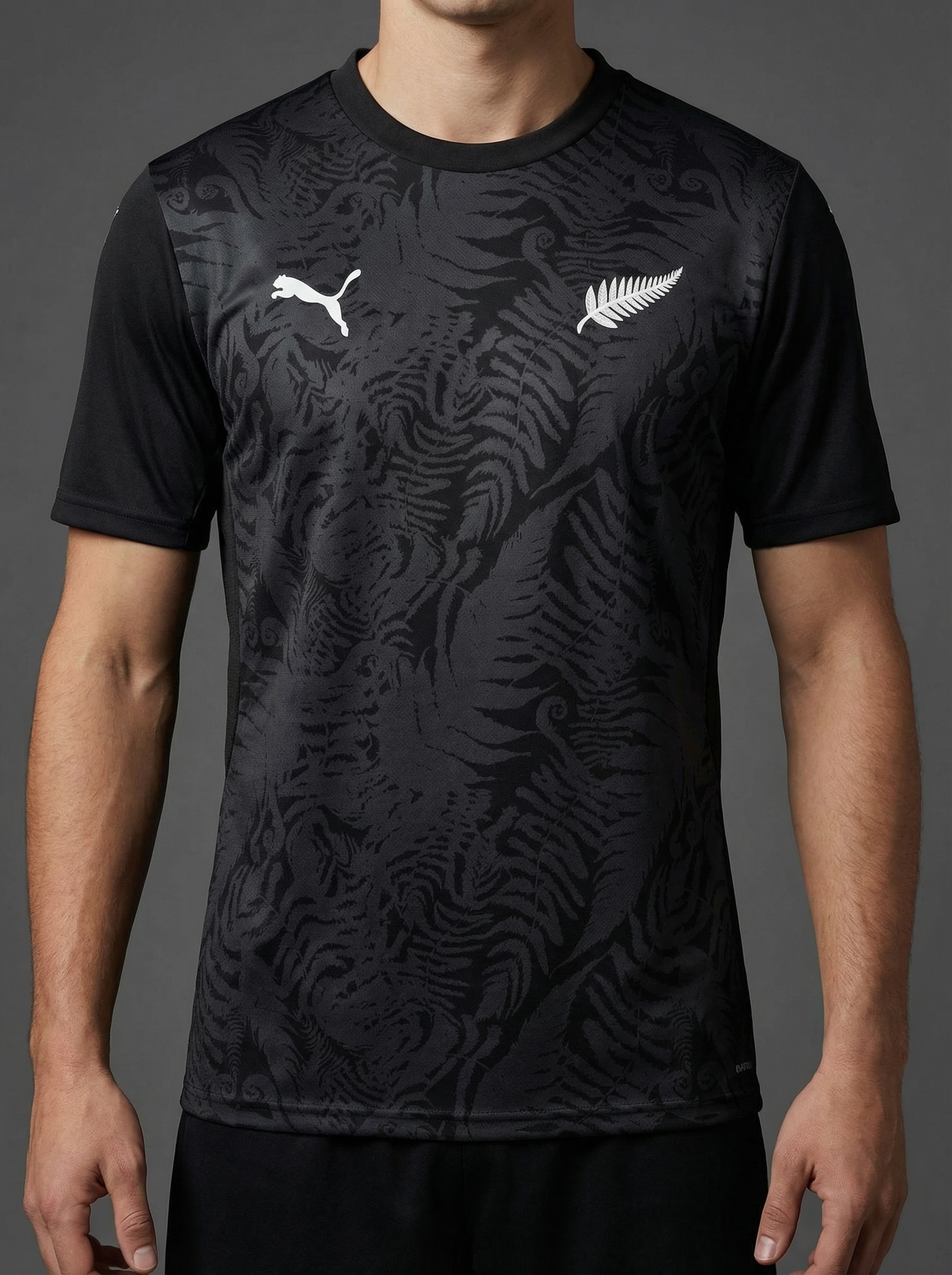
- 🇳🇿 New Zealand
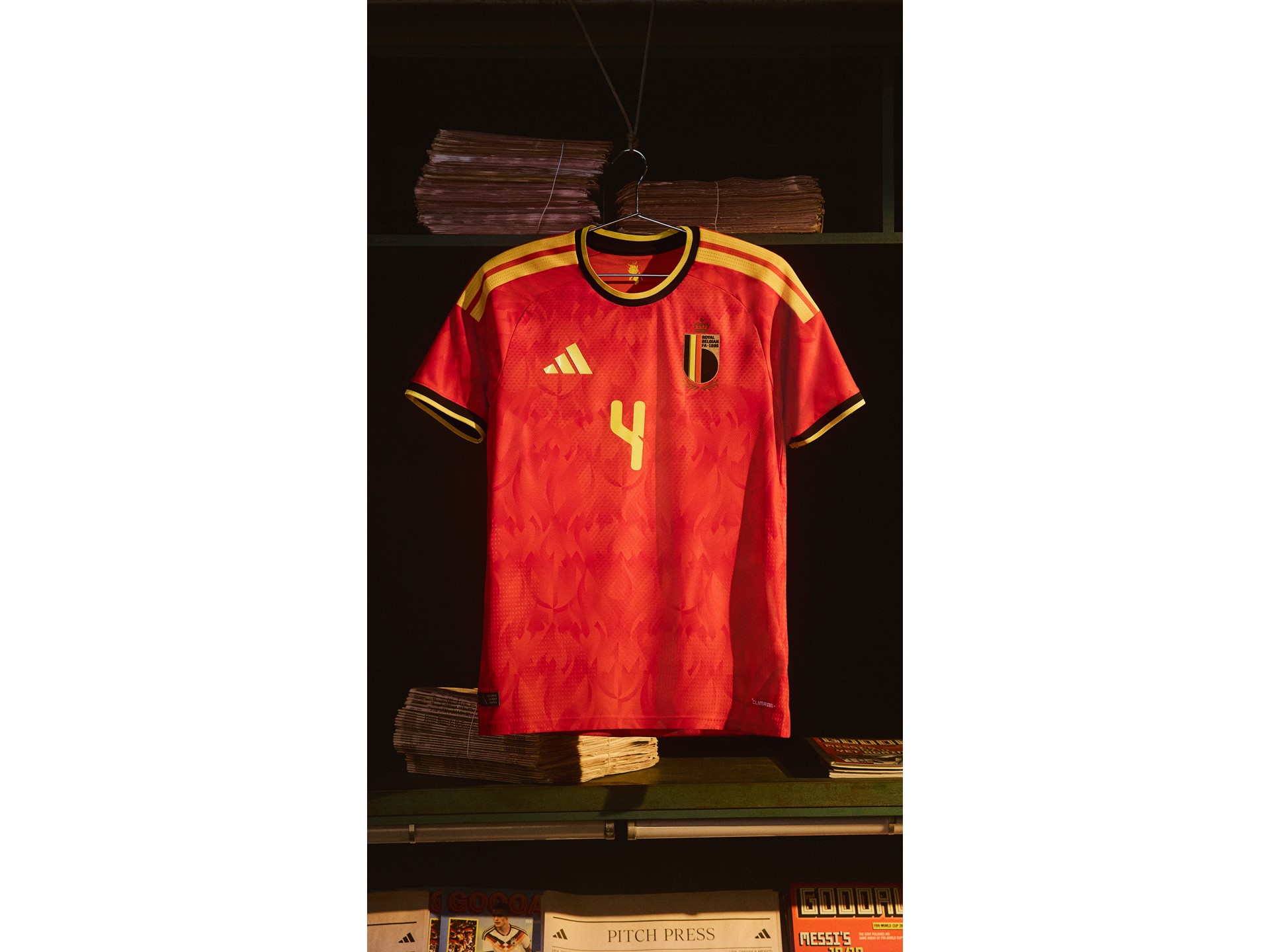
- 🇧🇪 Belgium
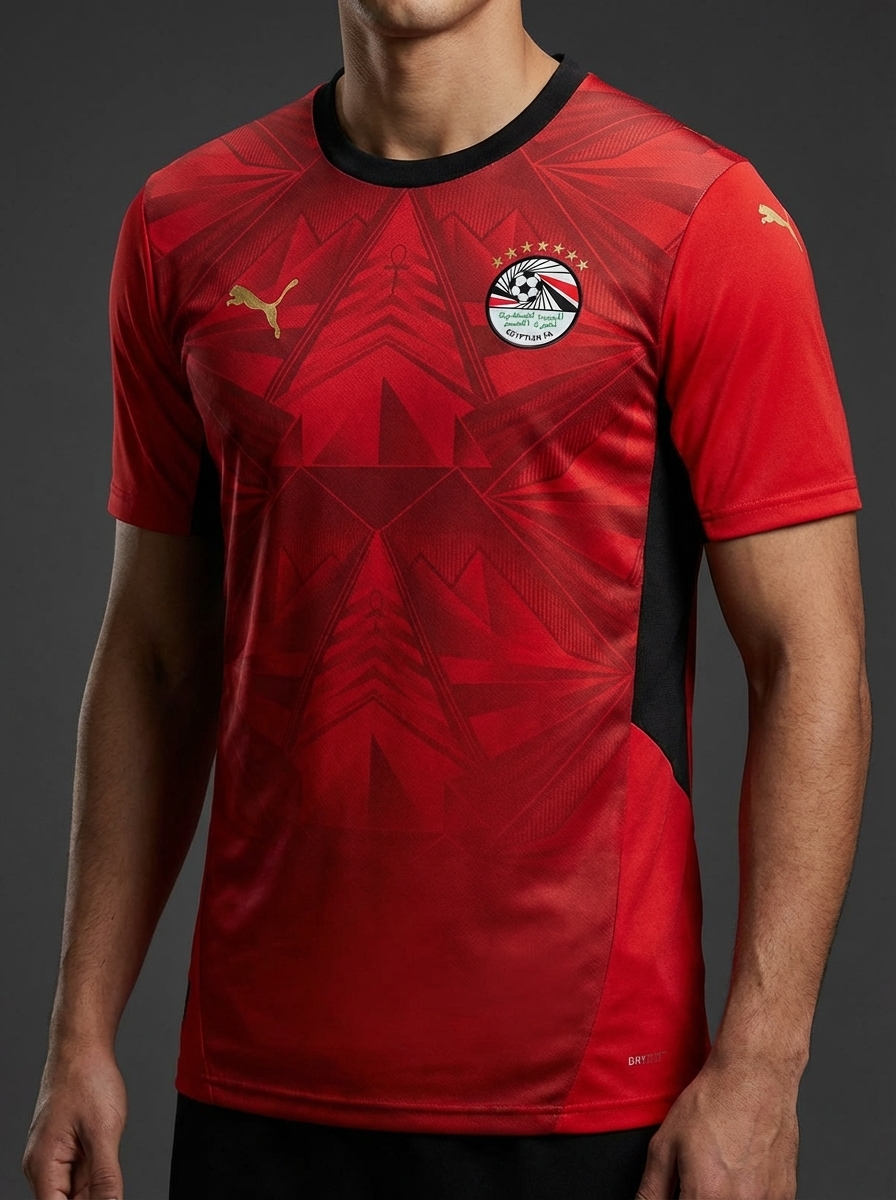
- 🇪🇬 Egypt
Group H
Open hub →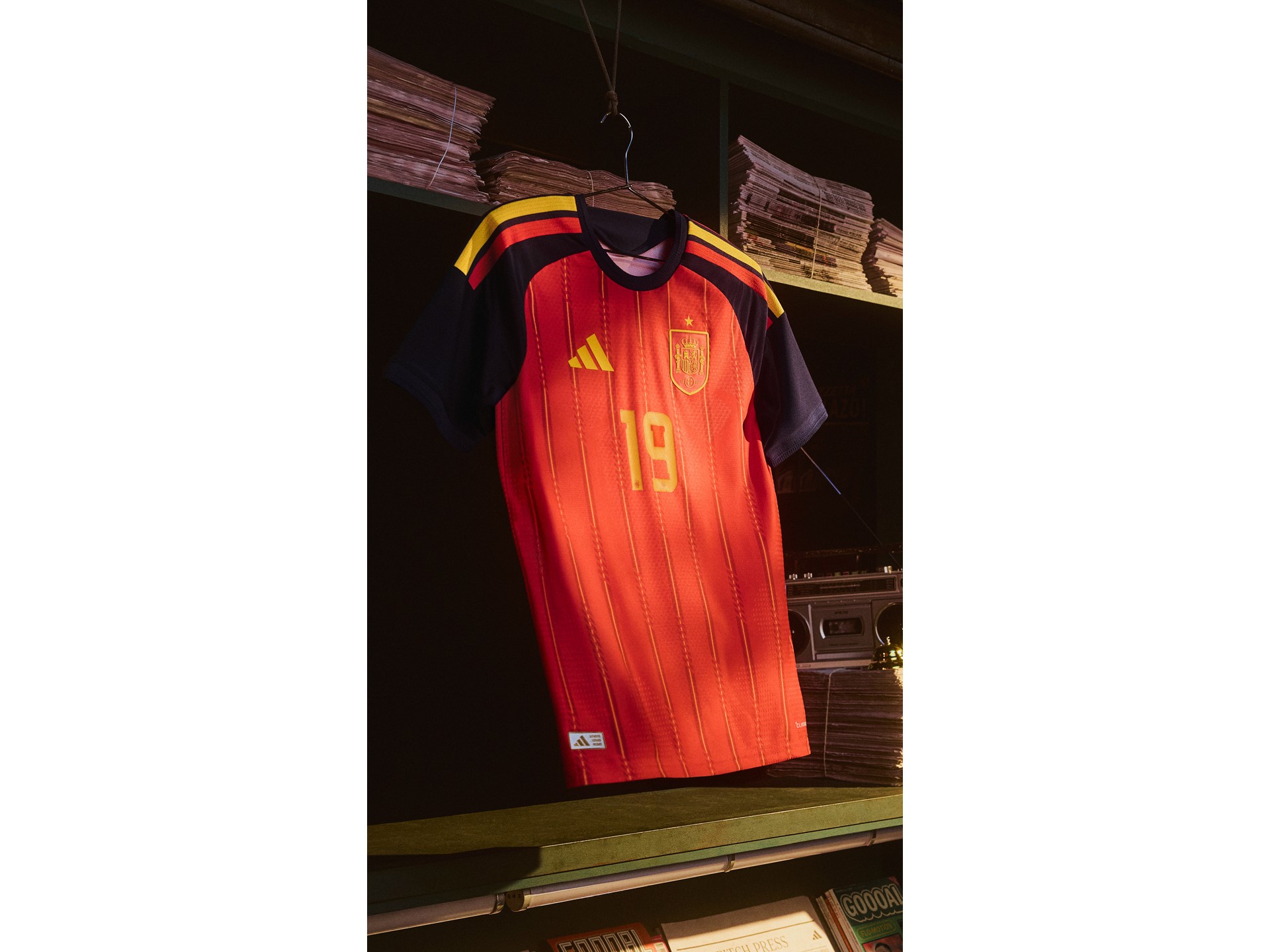
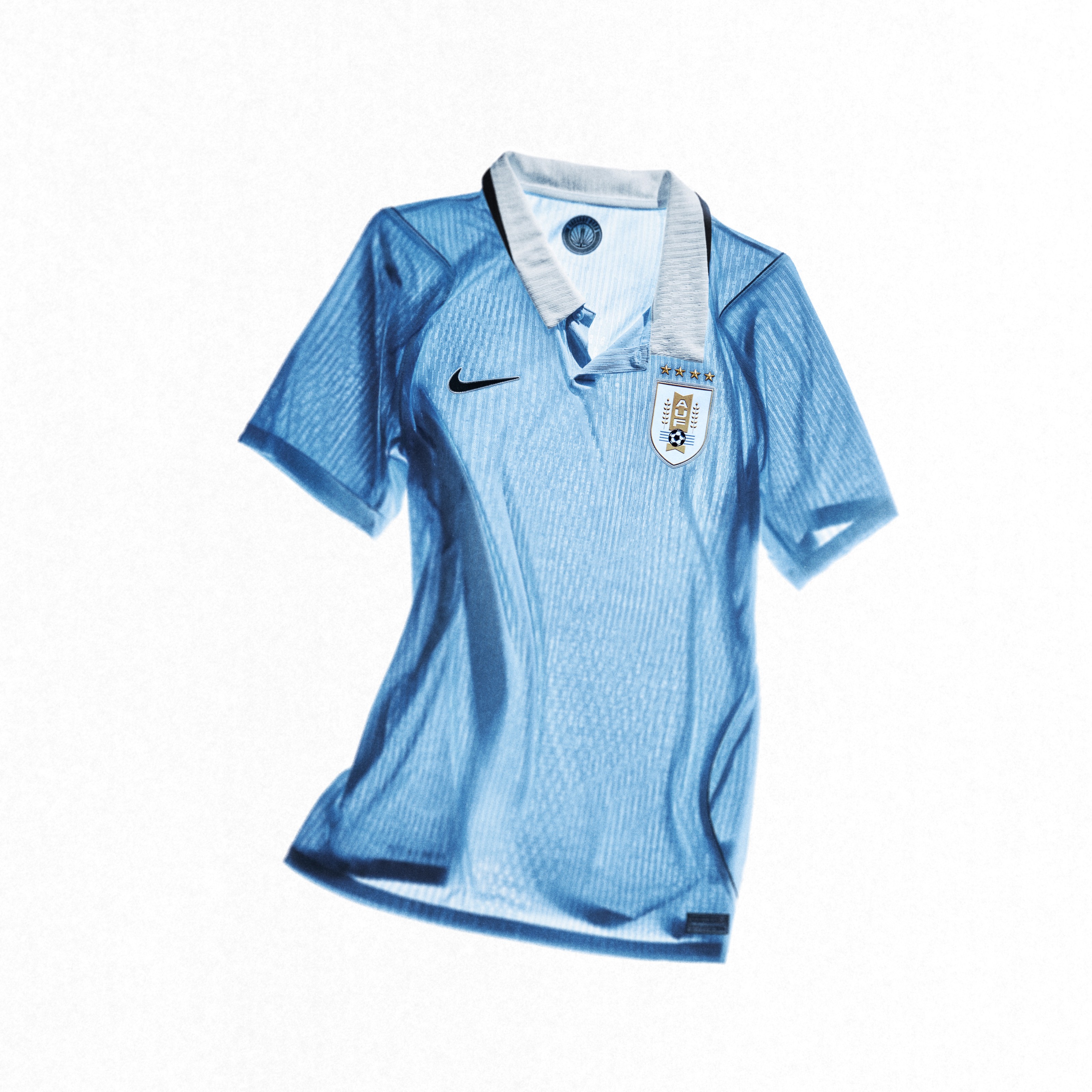
- 🇪🇸 Spain
- 🇨🇻 Cape Verde
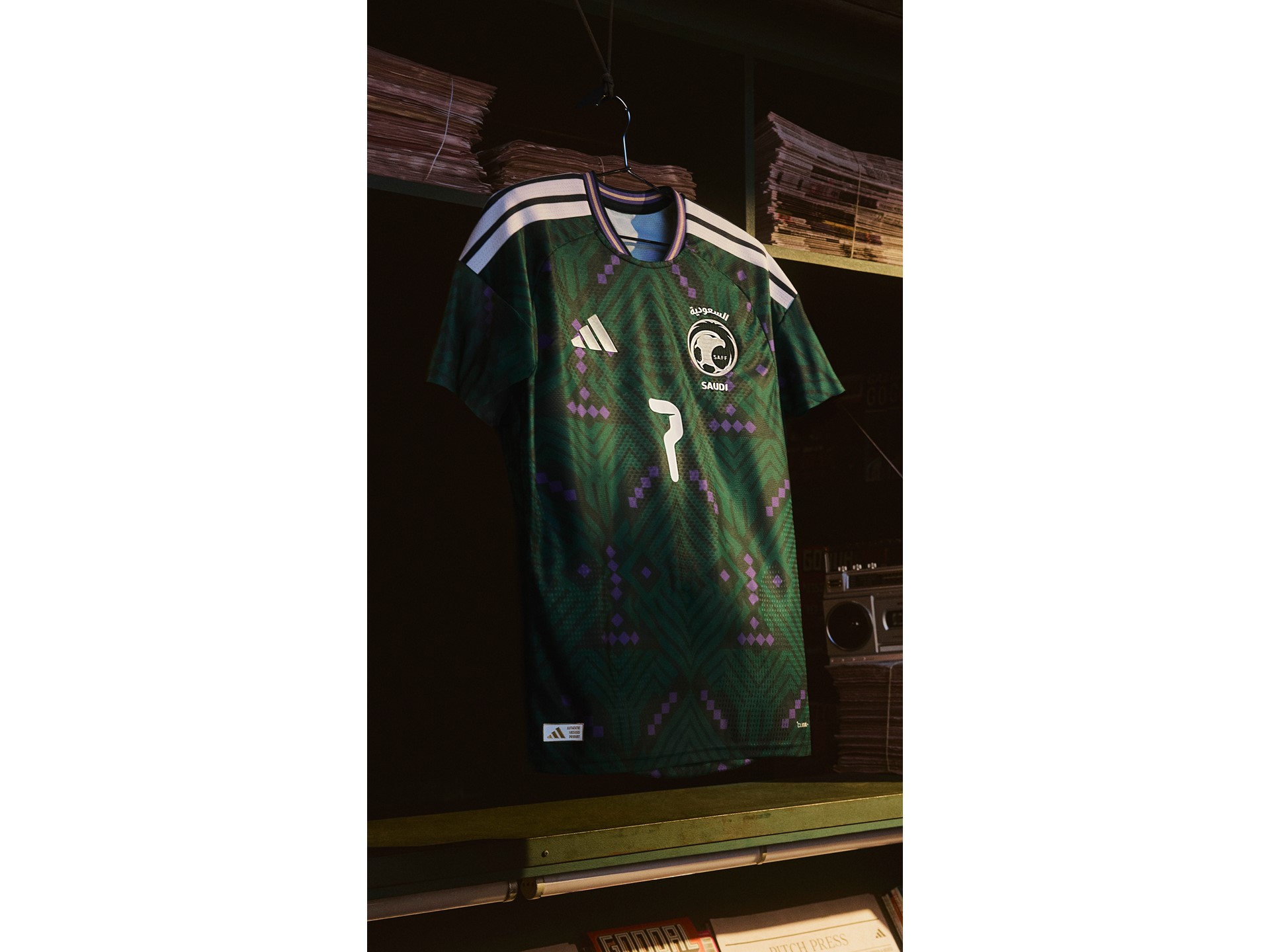
- 🇸🇦 Saudi Arabia
- 🇺🇾 Uruguay
Group I
Open hub →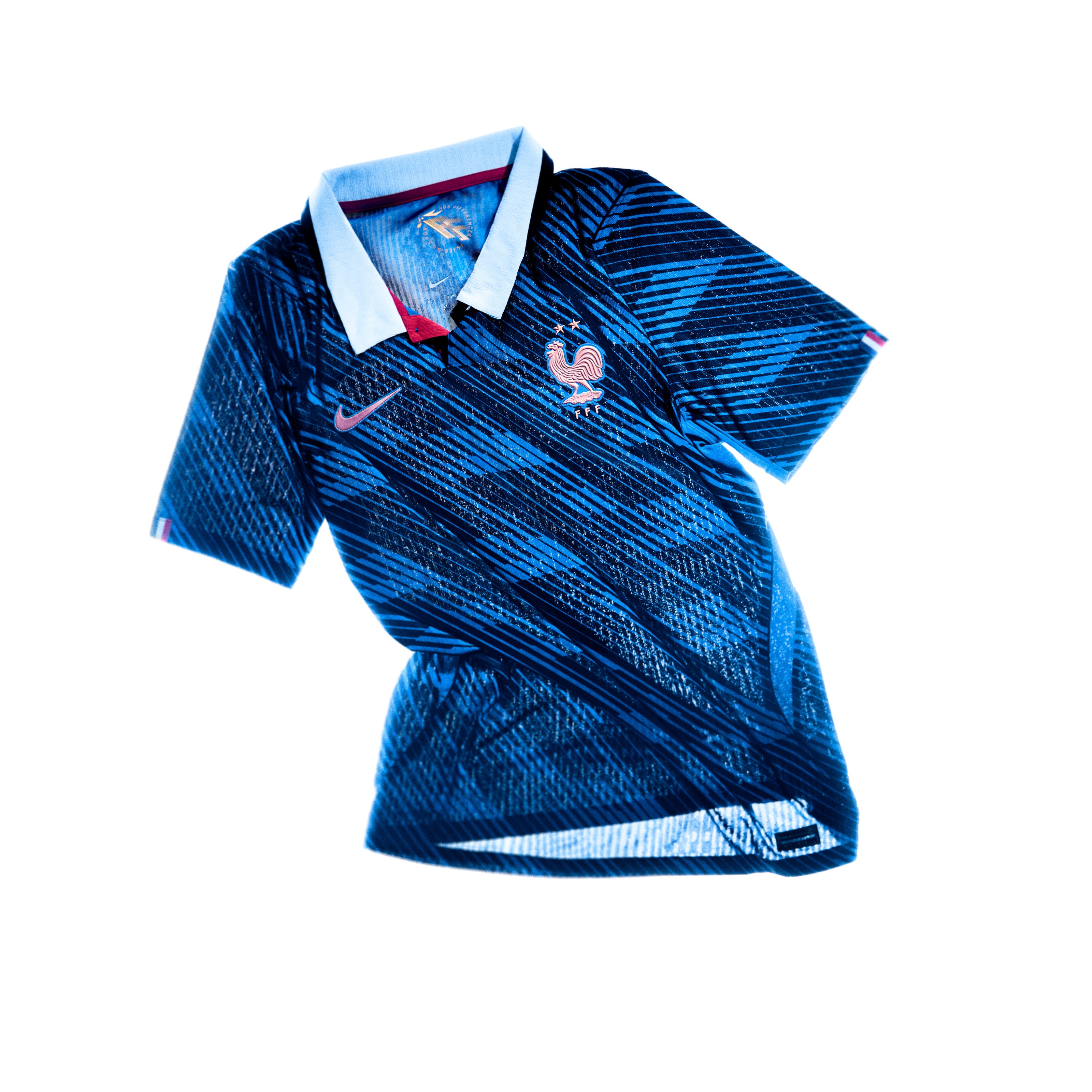
- 🇫🇷 France
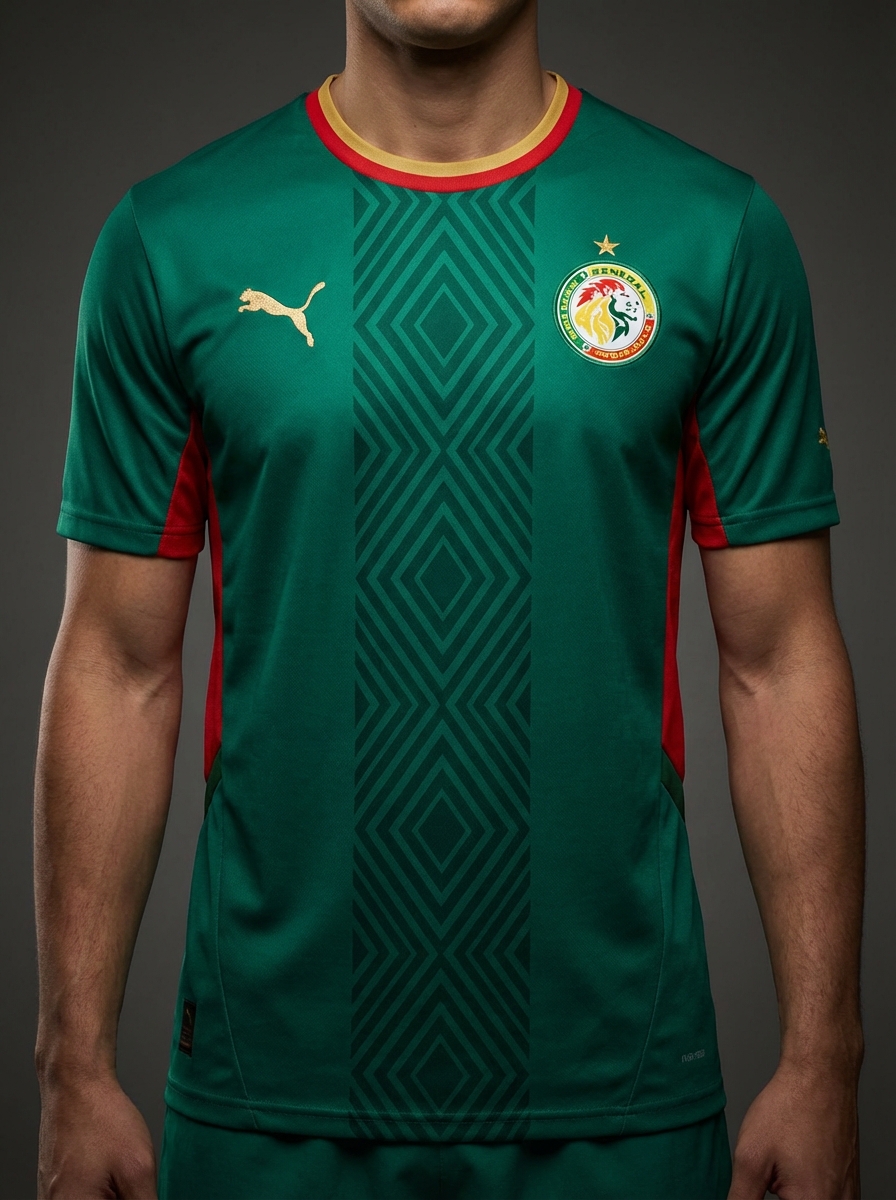
- 🇸🇳 Senegal
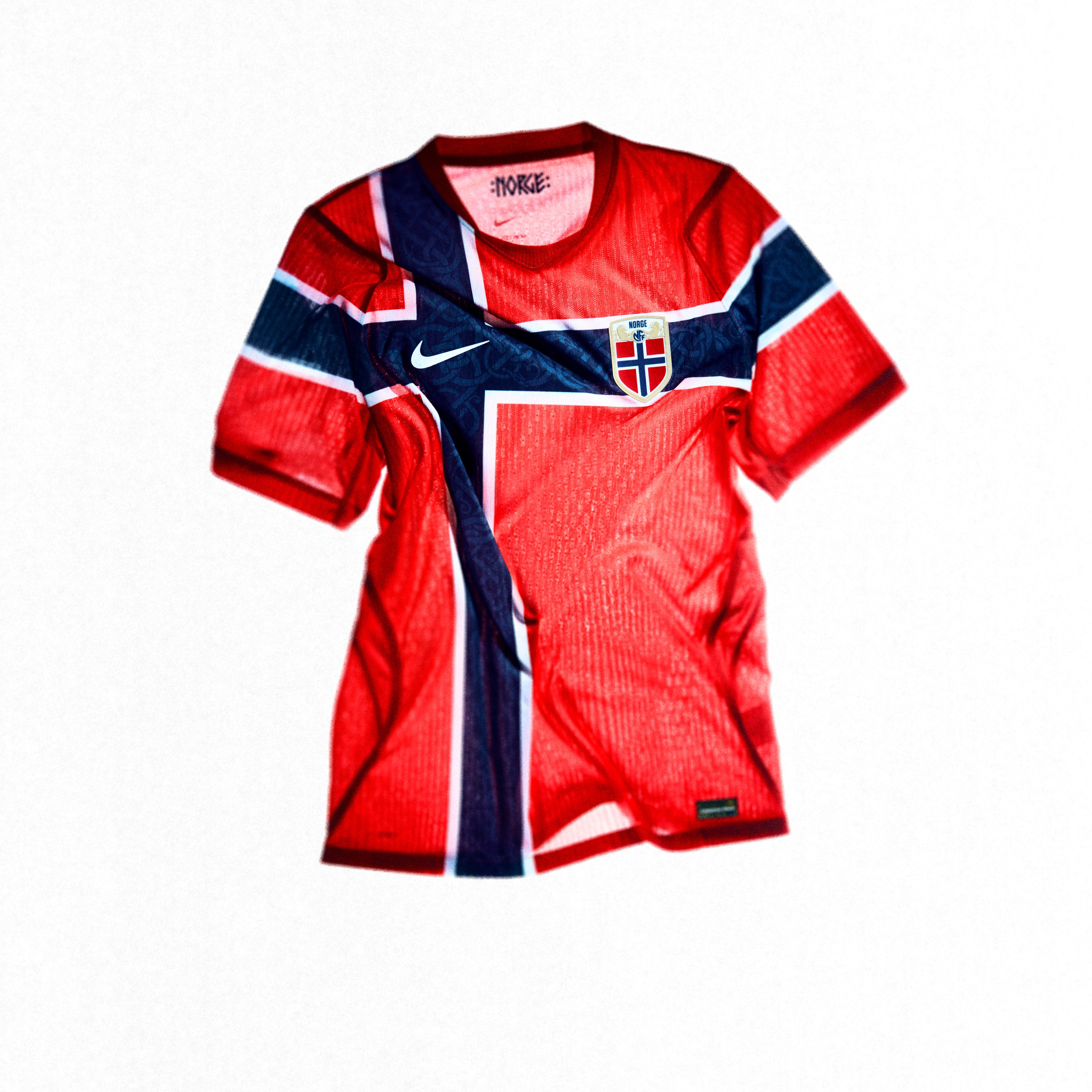
- 🇳🇴 Norway
- 🏳️ TBD (Intercontinental Playoff 2)
Group J
Open hub →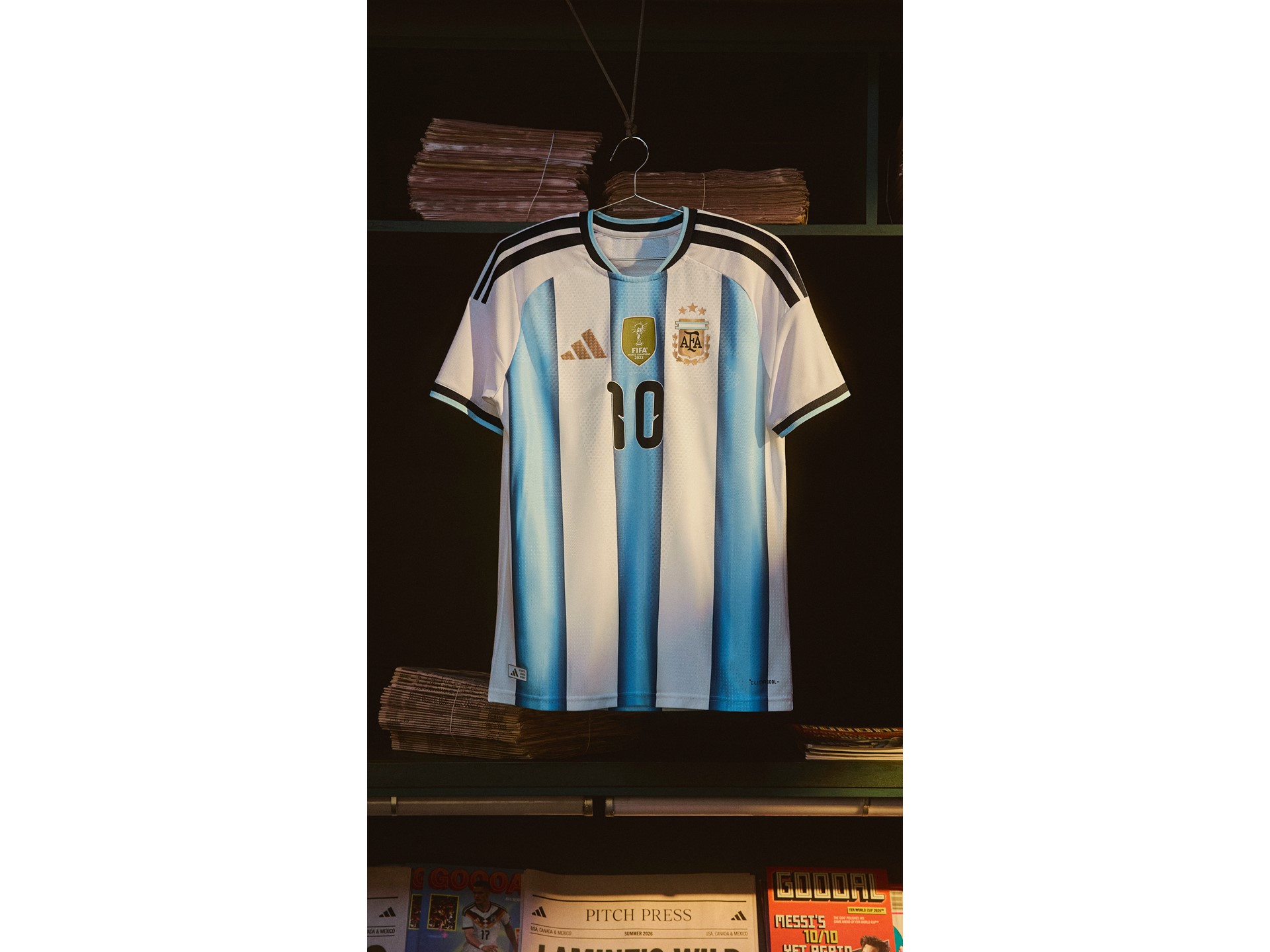
- 🇦🇷 Argentina
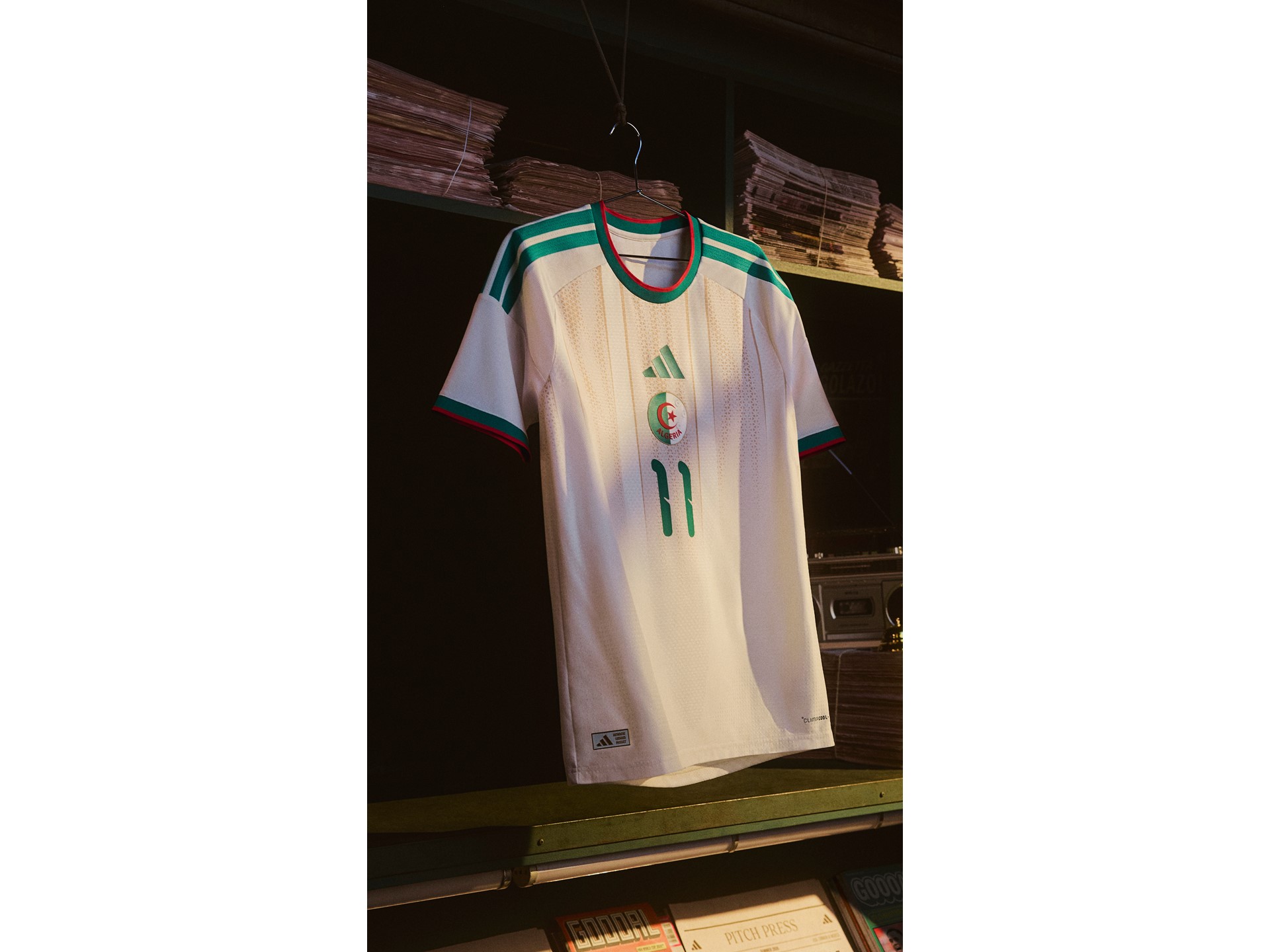
- 🇩🇿 Algeria
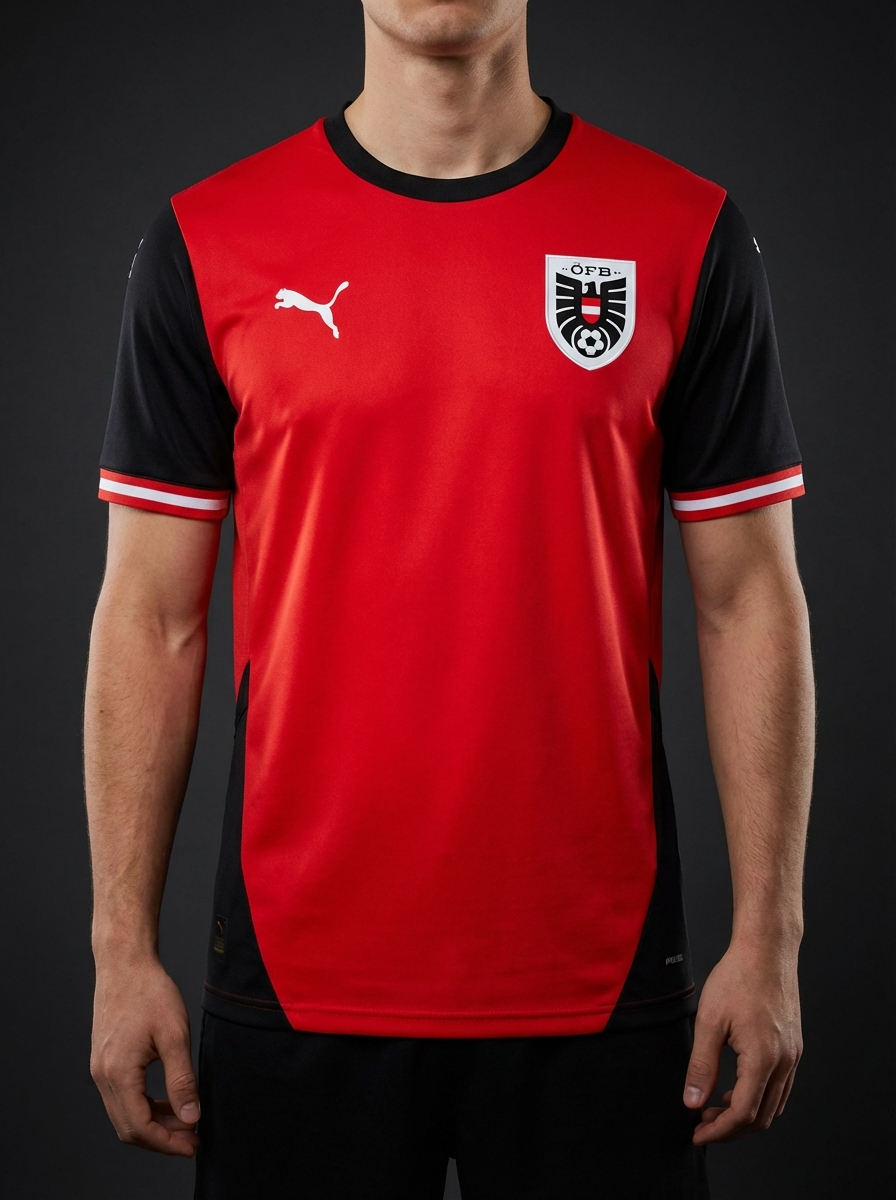
- 🇦🇹 Austria
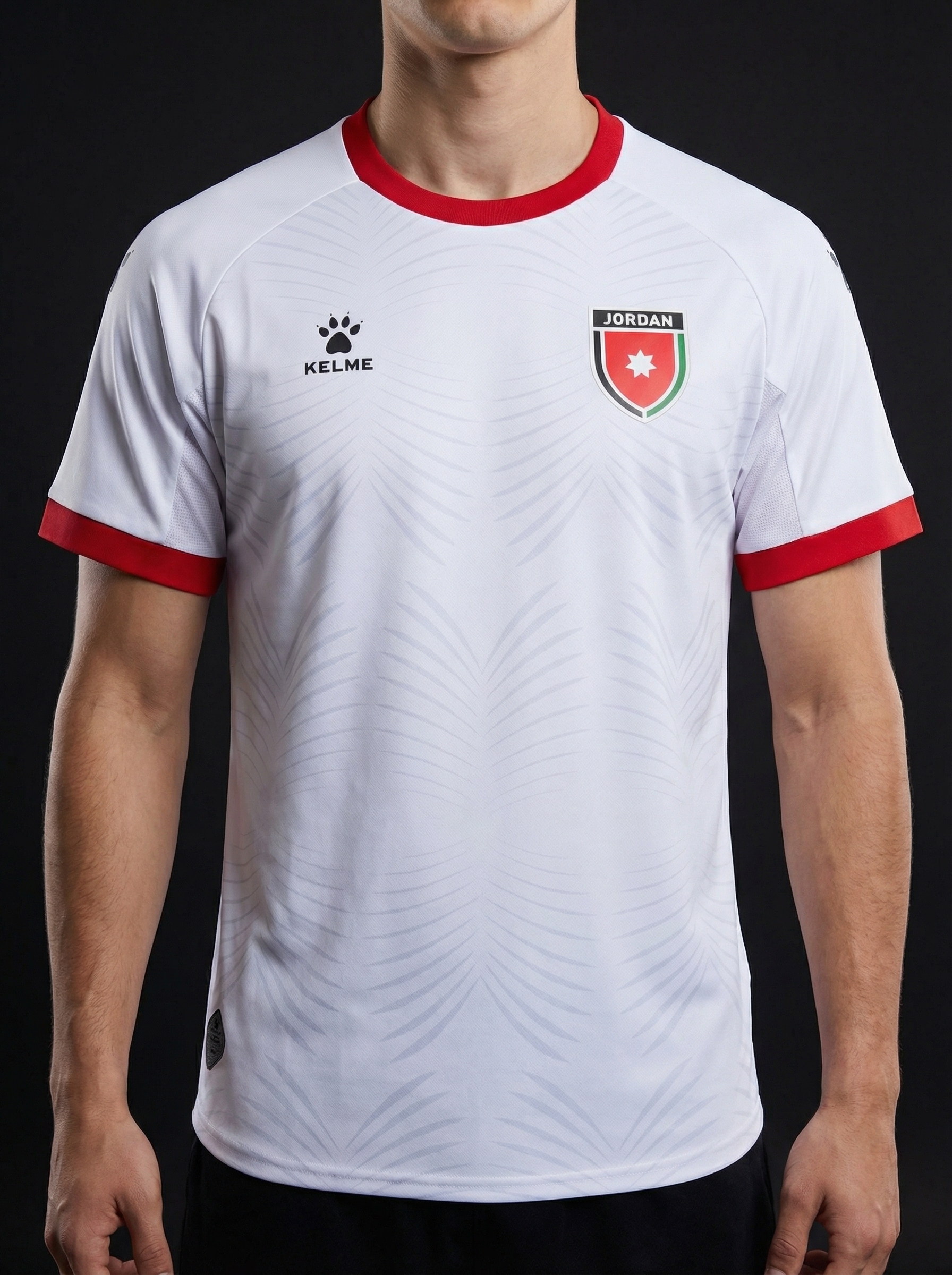
- 🇯🇴 Jordan
Group K
Open hub →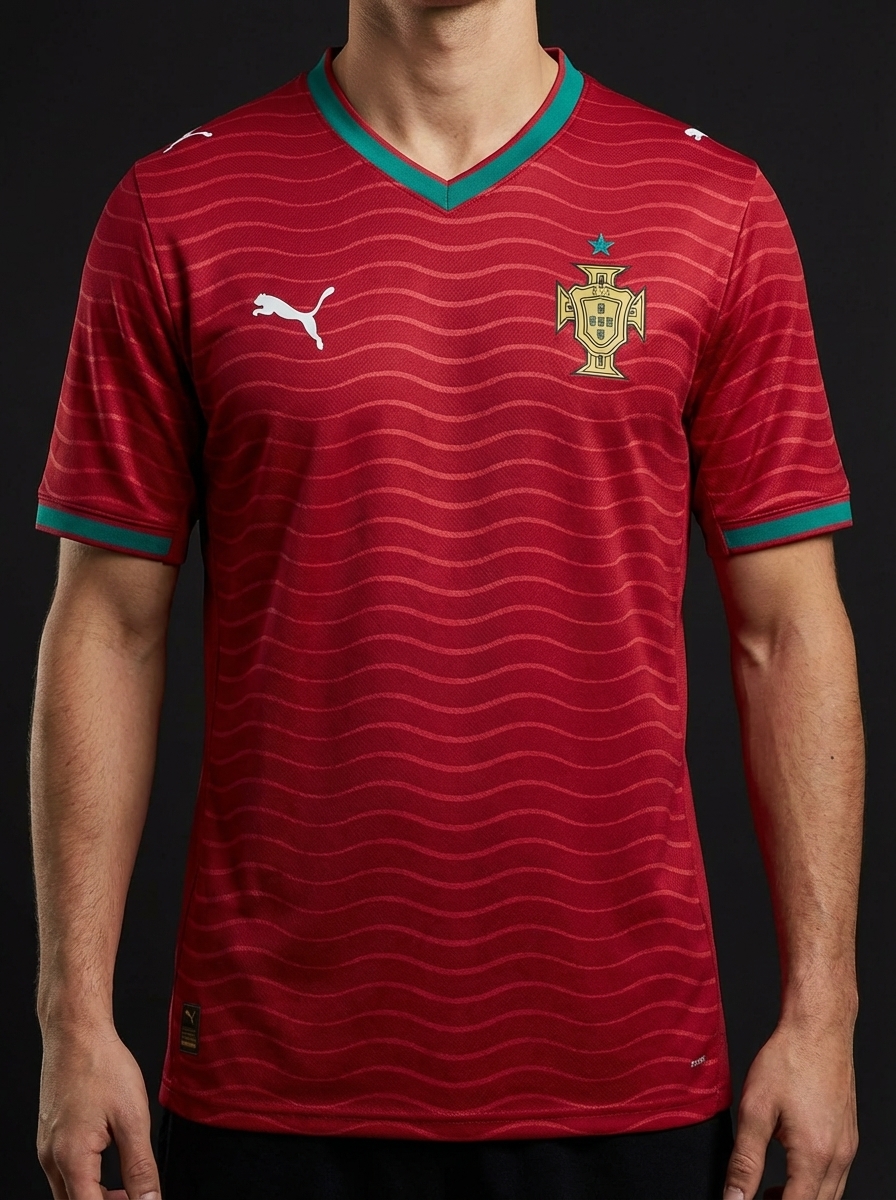
- 🇵🇹 Portugal
- 🇺🇿 Uzbekistan
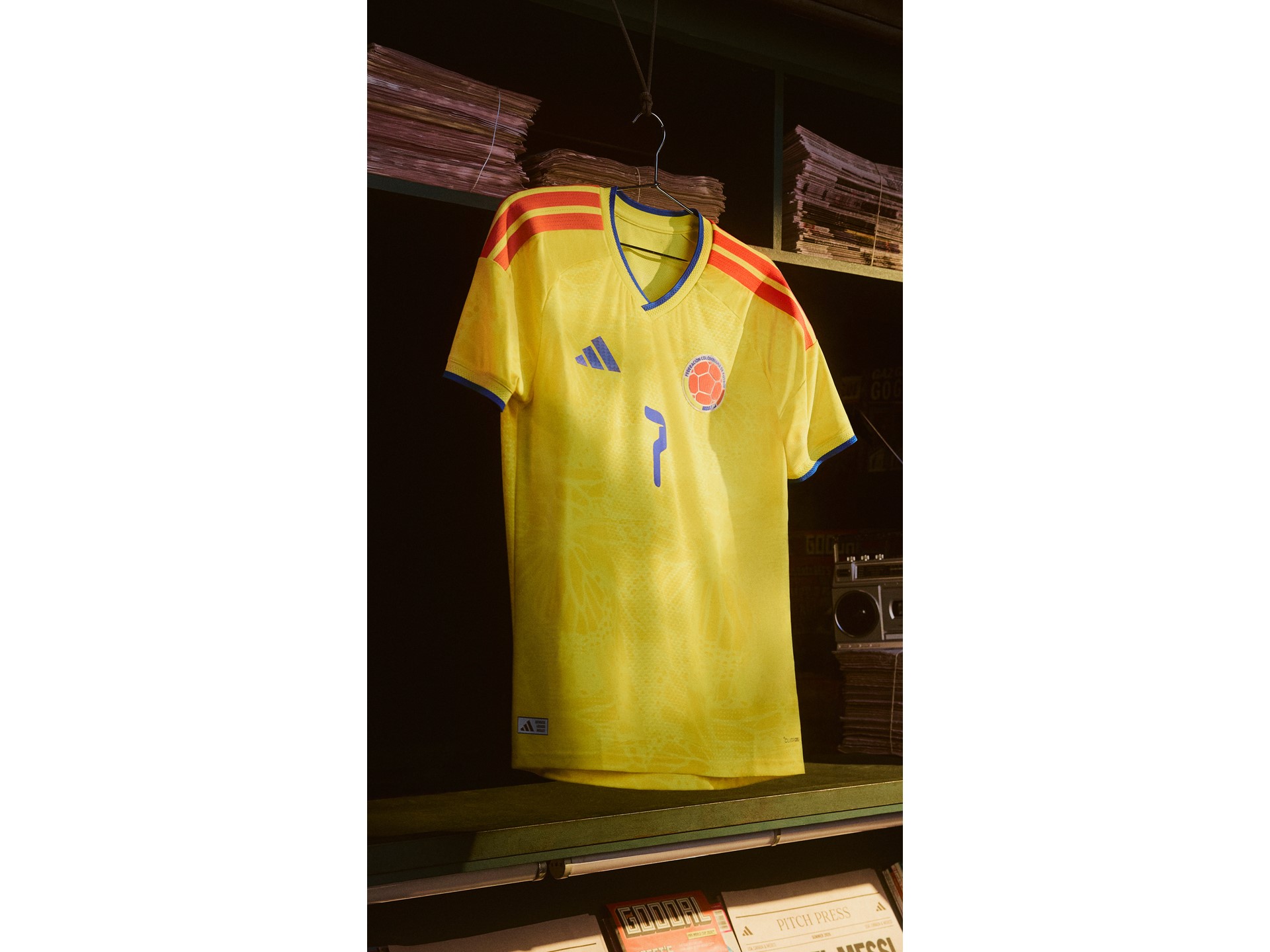
- 🇨🇴 Colombia
- 🏳️ TBD (Intercontinental Playoff 1)
What happens after the group draw
Once the 12 groups are set, the rest of the bracket falls into a fixed template. The 2026 World Cup uses a brand-new 32-team knockout round (round of 32 → round of 16 → quarter-finals → semi-finals → final), with the top two from each group plus the eight best third-placed sides progressing.
That third-place qualification rule is the defining feature of the new 48-team format. Even a team that loses two of its three group games can still qualify for the knockout round if their goal difference and points stack up well against other Pot 4 sides. See the full breakdown on the 48-team World Cup format page.
For the run-up to the tournament, follow the live Kit Clash leaderboard (the kits are usually a better predictor of fan enthusiasm than any pre-tournament poll), download the free wall chart PDF, and check the opening match preview for matchday one.
Share this
Where to next