The smart kit-buyer always picks the underdog first
Here's the thing about World Cup kit-buying that nobody tells you. Brazil and England will always be available. They make millions of those shirts. You can buy a Brazil home kit on Amazon at any point in the cycle and it'll arrive in two days.
The dark horse shirts are different. Manufacturers under-produce them because they assume nobody will buy them. Then the team has a good tournament run, the kit becomes the breakout shirt of the year, and it sells out in 72 hours. Morocco 2022 is the textbook example — the Atlas Lions home kit was on shelves before the tournament, completely unfindable by the time they reached the semi-finals, and now sells for £140+ on resale sites.
If you want to be the person wearing the right shirt by the time the knockouts hit, you bet on the dark horses early. Here are the five I'd buy this week.
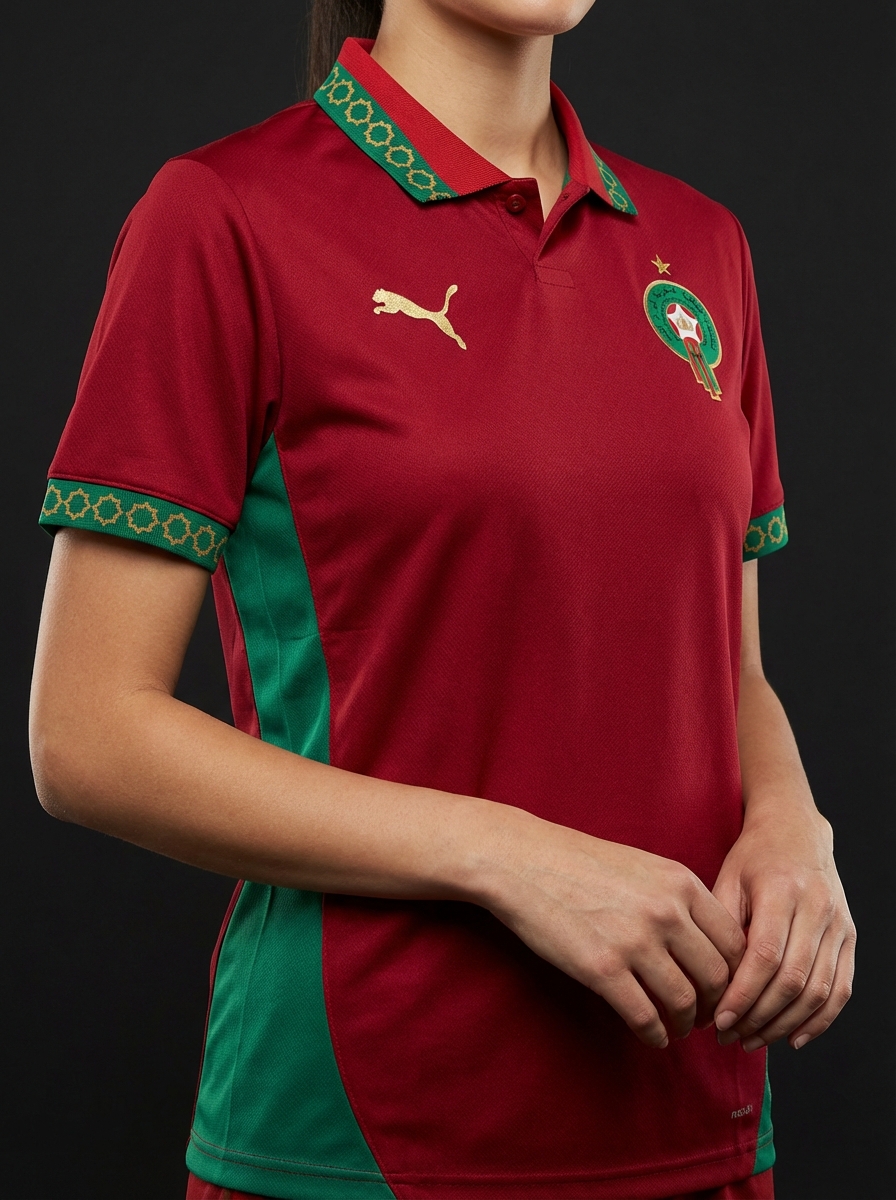
1. Morocco — the Atlas Lions, second time around
Morocco at the 2022 World Cup were the story of the tournament. Beat Belgium. Beat Spain on penalties. Beat Portugal in the quarters. Reached the semi-finals as the first African nation ever to do it. The kit became one of the most-bought non-European shirts in the world overnight.
The 2026 Morocco home shirt is being made by Puma again, in the same deep red with green star palette. If Morocco have anything close to a 2022-tier run in 2026 — and there's no reason to think they can't — this shirt will be impossible to find by the round of 16.
Buy now. Direct Amazon link on the Morocco buyer's page.
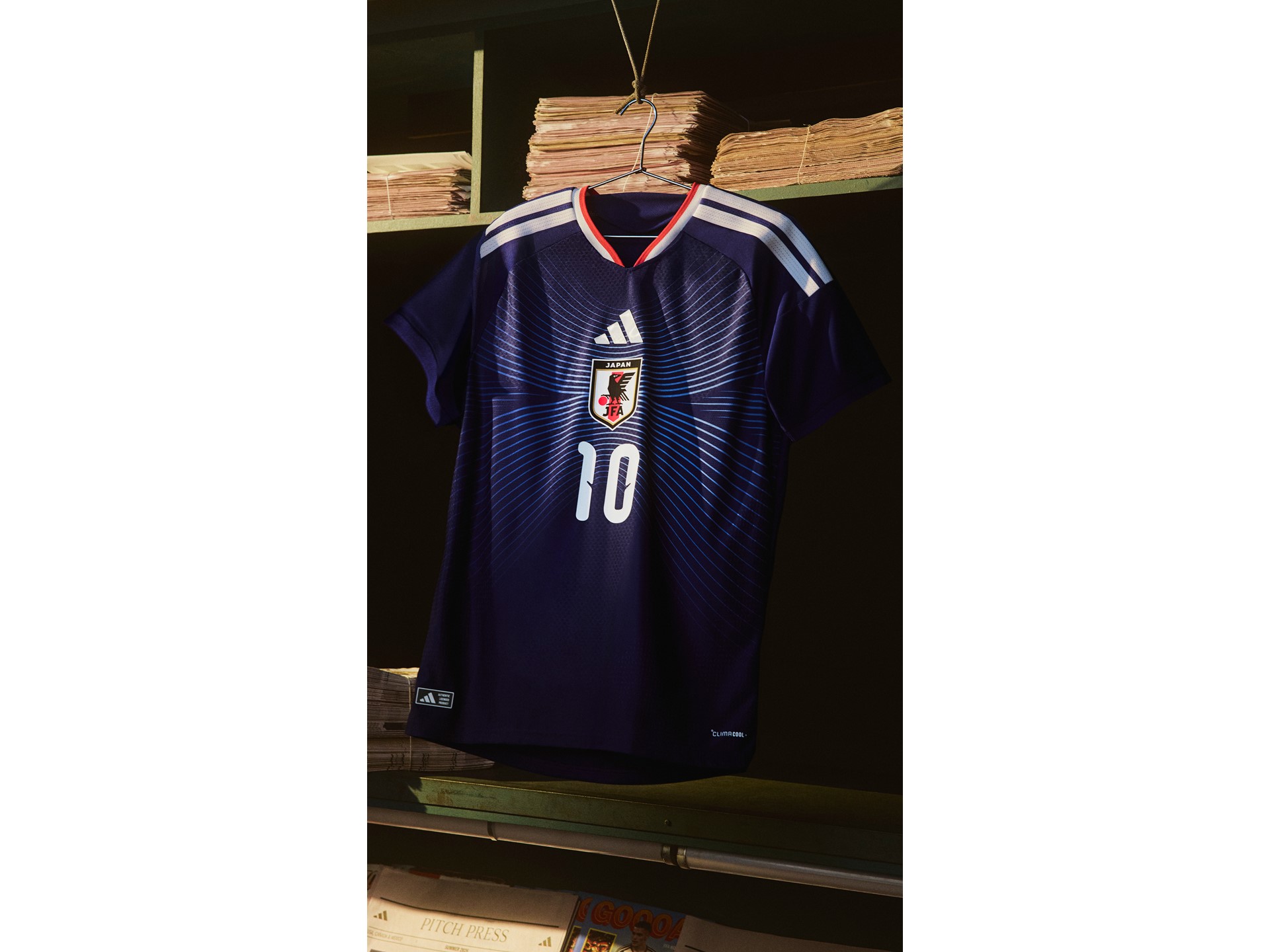
2. Japan — the best-designed shirt in the tournament
Japan have produced the most design-forward international kits of the past decade. Period. Other manufacturers do colour. Japan does pattern, narrative, cultural reference and material innovation. The 2018 sashiko shirt and 2022 origami crane shirt are both already collector items.
The 2026 cycle continues that pattern. Adidas know they have to deliver something distinctive every time. The Samurai Blue home kit consistently outperforms expectations on resale, and a Japan run to the round of 16 (which they have done four times in a row) will spike demand even higher.
The kit also has crossover appeal that no other Asian shirt has. People who don't follow Japanese football buy Japan kits because they look like premium streetwear. Get yours before the tournament starts.
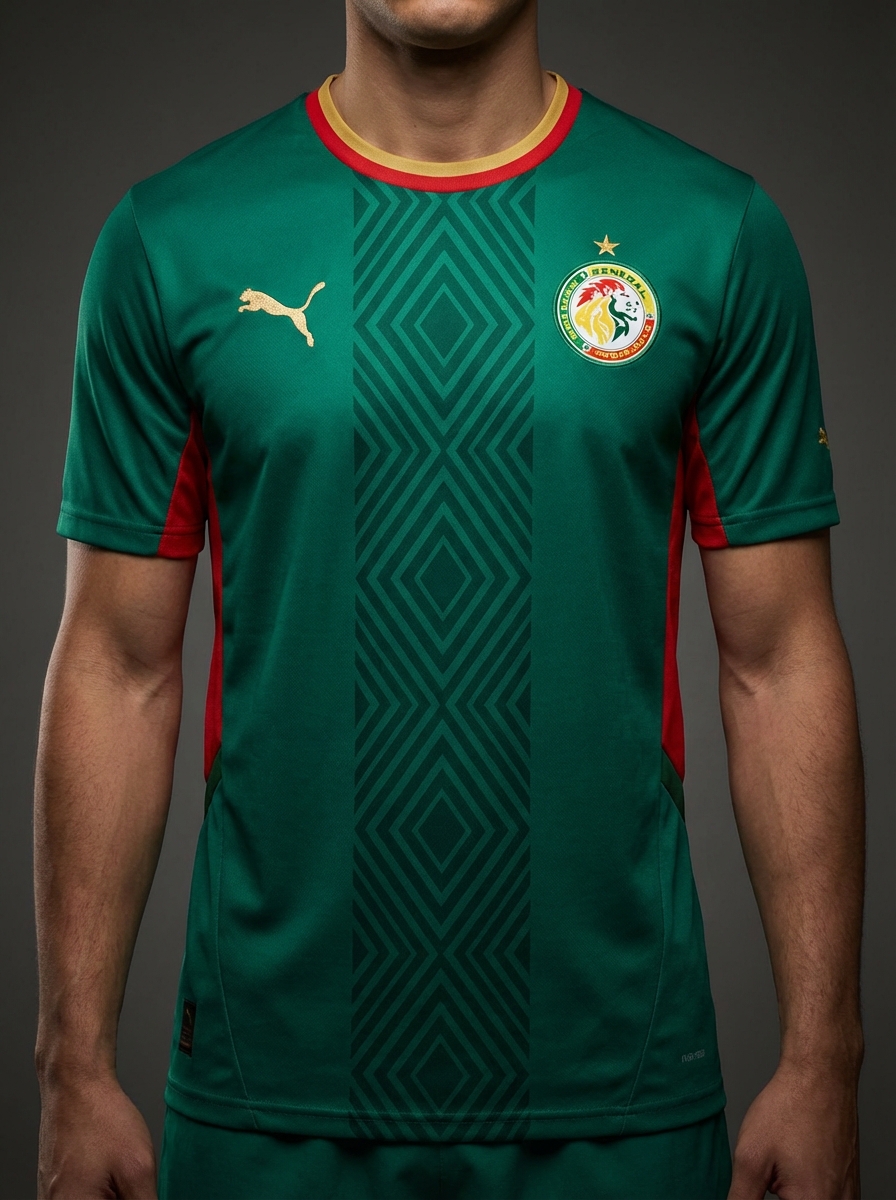
3. Senegal — Africa Cup of Nations champions
Senegal won the most recent Africa Cup of Nations and their squad is one of the strongest at the 2026 World Cup. The Lions of Teranga shirt has had a quiet but consistent uptick in international demand, especially since Sadio Mané joined Bayern Munich and brought the kit into mainstream European football conversation.
If Senegal do anything in the knockout rounds — which they're capable of — the shirt becomes a breakout. The green-and-yellow home kit is also one of the visually loudest in the tournament, which always helps with neutral-fan crossover.
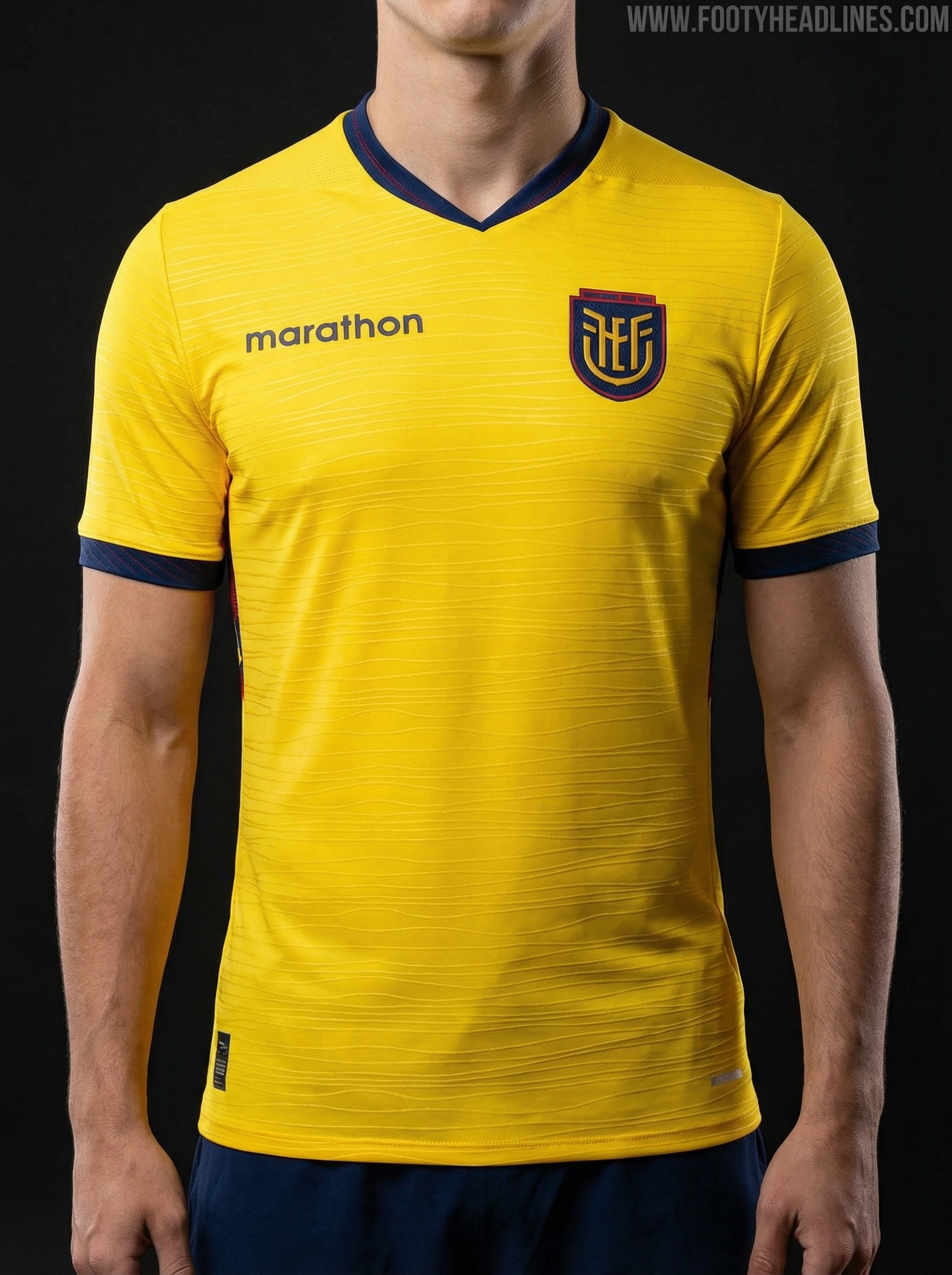
4. Ecuador — the South American dark horse nobody talks about
Ecuador are the most under-rated team in the entire 2026 field. Young squad. Strong defence. Already qualified despite being in the toughest qualifying region in the world. The yellow-and-blue home kit is one of the most colourful in the tournament and has barely any UK distribution, which means anyone buying one in Europe is automatically wearing something nobody else has.
Ecuador are the kind of team that turns into a shock quarter-finalist when nobody is paying attention. If that happens, the kit goes from "unavailable" to "collectors only" in about 96 hours. Pre-buy now.
5. Uruguay — four stars and the best collector kit in the tournament
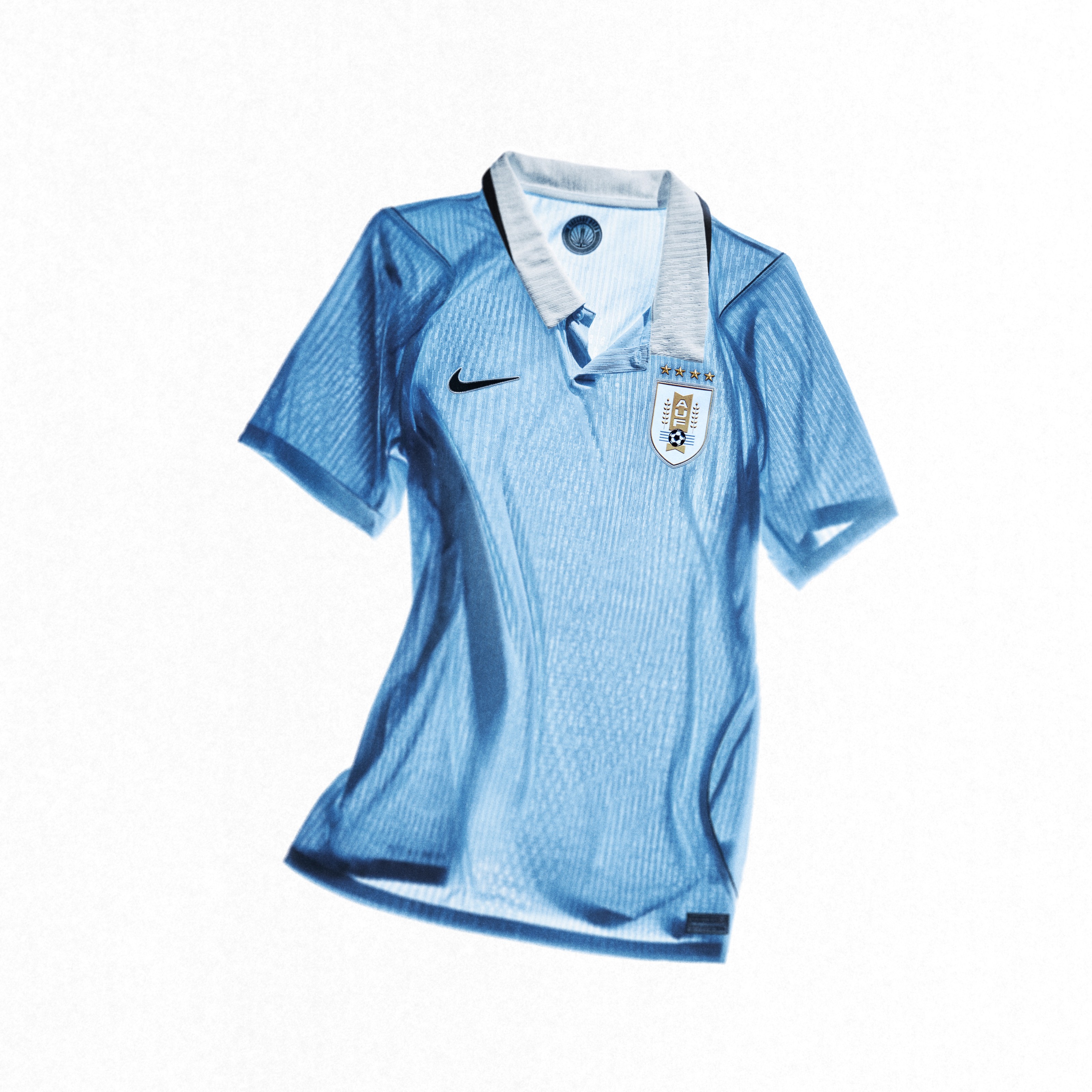
Uruguay's celeste home shirt isn't strictly a dark horse — Uruguay are a perennial knockout-round side and a former World Cup winner — but the four-star crest puts this shirt in a special category. There are only two countries in the world allowed to wear four stars on their World Cup kit (Uruguay and Italy, and Italy didn't qualify for 2026), which makes Uruguay's home shirt the rarest collector kit you can buy at this tournament.
The four stars represent two World Cups (1930 and 1950) and the two pre-World Cup Olympic football titles that FIFA recognises as world championships. There's history baked into this shirt that no other team in the tournament can match. See our Uruguay kit history page for the full timeline.
How to actually buy these kits
Every team page on Footy Kits Battle has a direct Amazon search link with the latest seller and price information. Click through, compare sellers, and read the sizing guide before you commit (replica vs authentic fit matters).
If you want to compare these dark horses against each other before deciding, head to the Kit Clash voting game and rank them. The current global leaderboard might surprise you — see live rankings here.
The smart money is on the underdogs. Always has been.