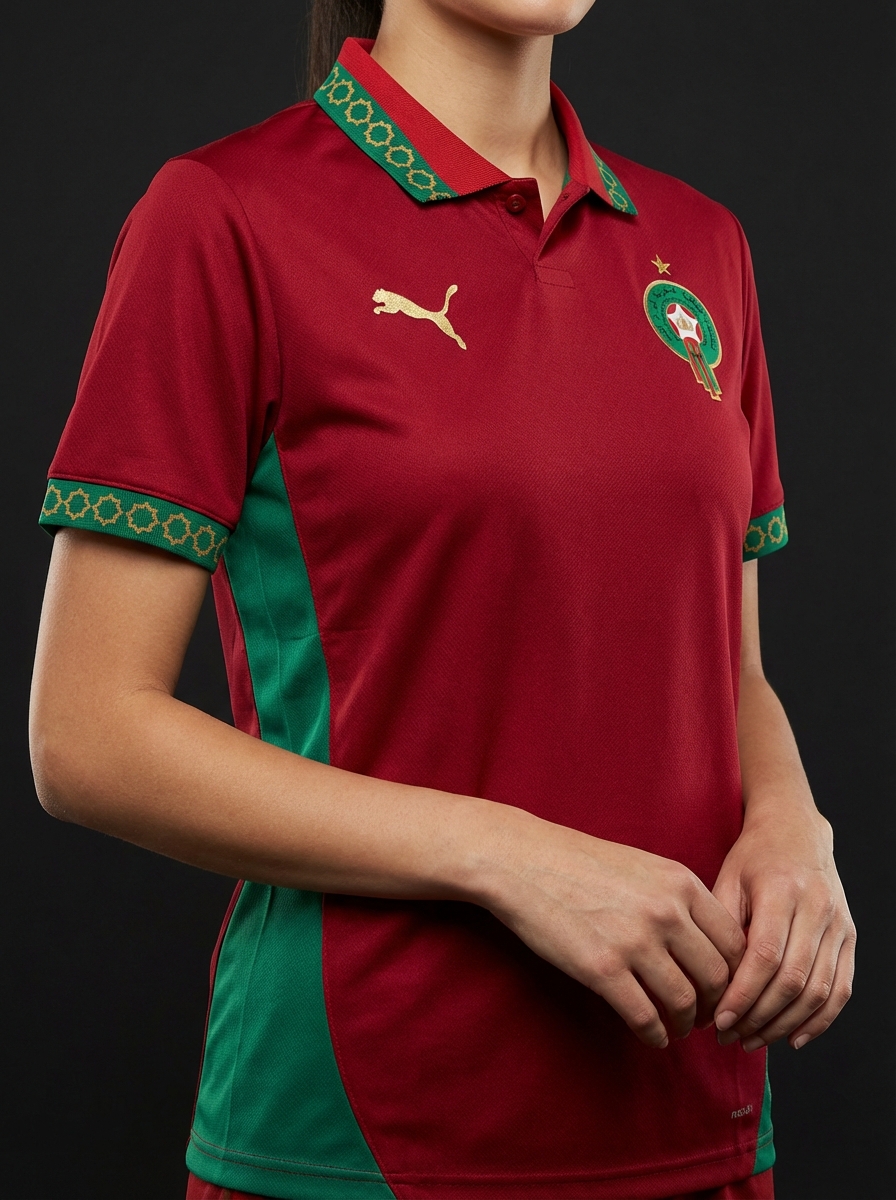
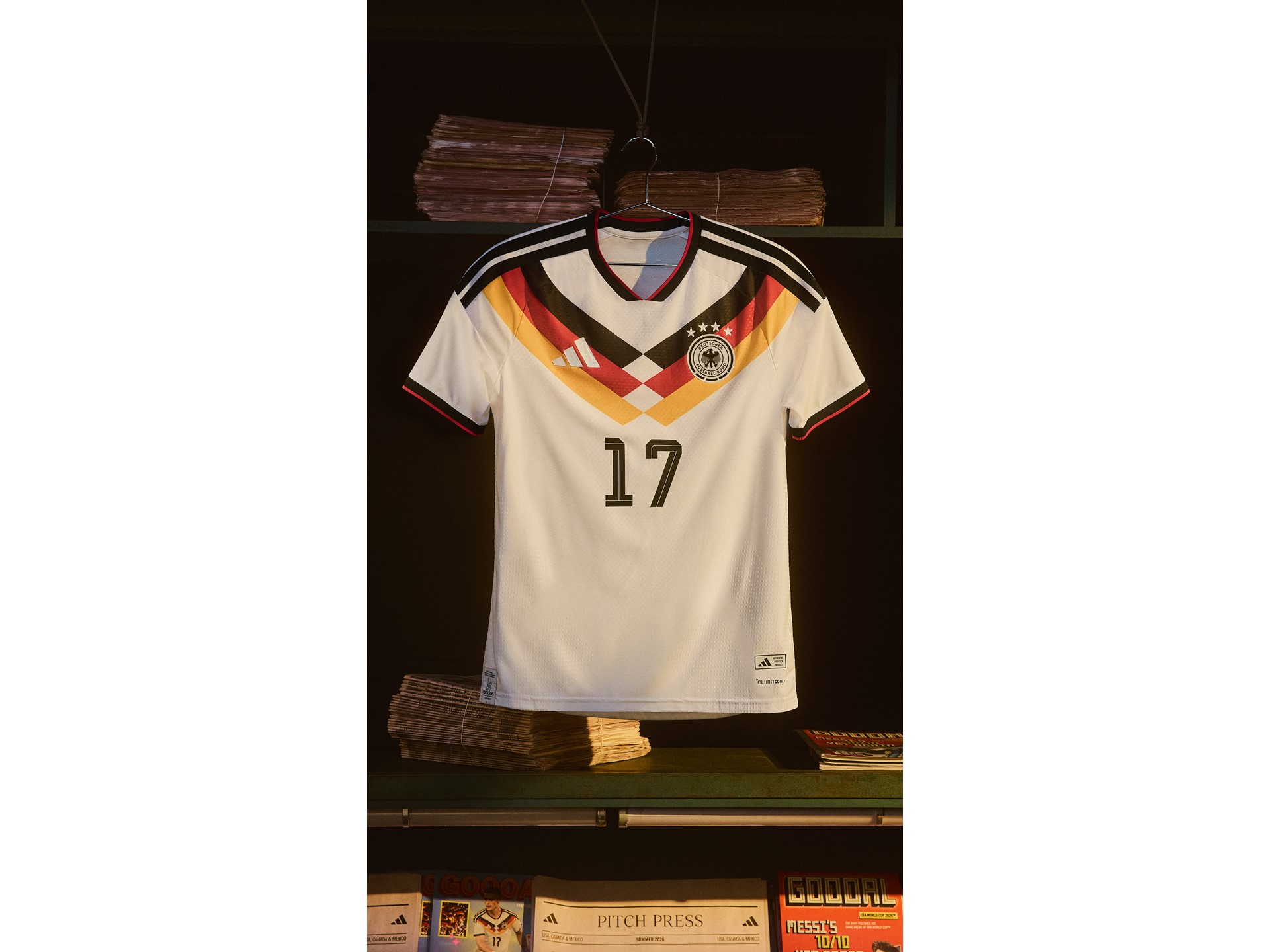
£75 for a t-shirt is not a normal price
If you walked into a high-street clothing shop and saw a £75 t-shirt, you would put it back. Even a good quality cotton t-shirt at £30 feels expensive. £75 for a polyester shirt with a logo and a sponsor patch is, on its face, an absurd price.
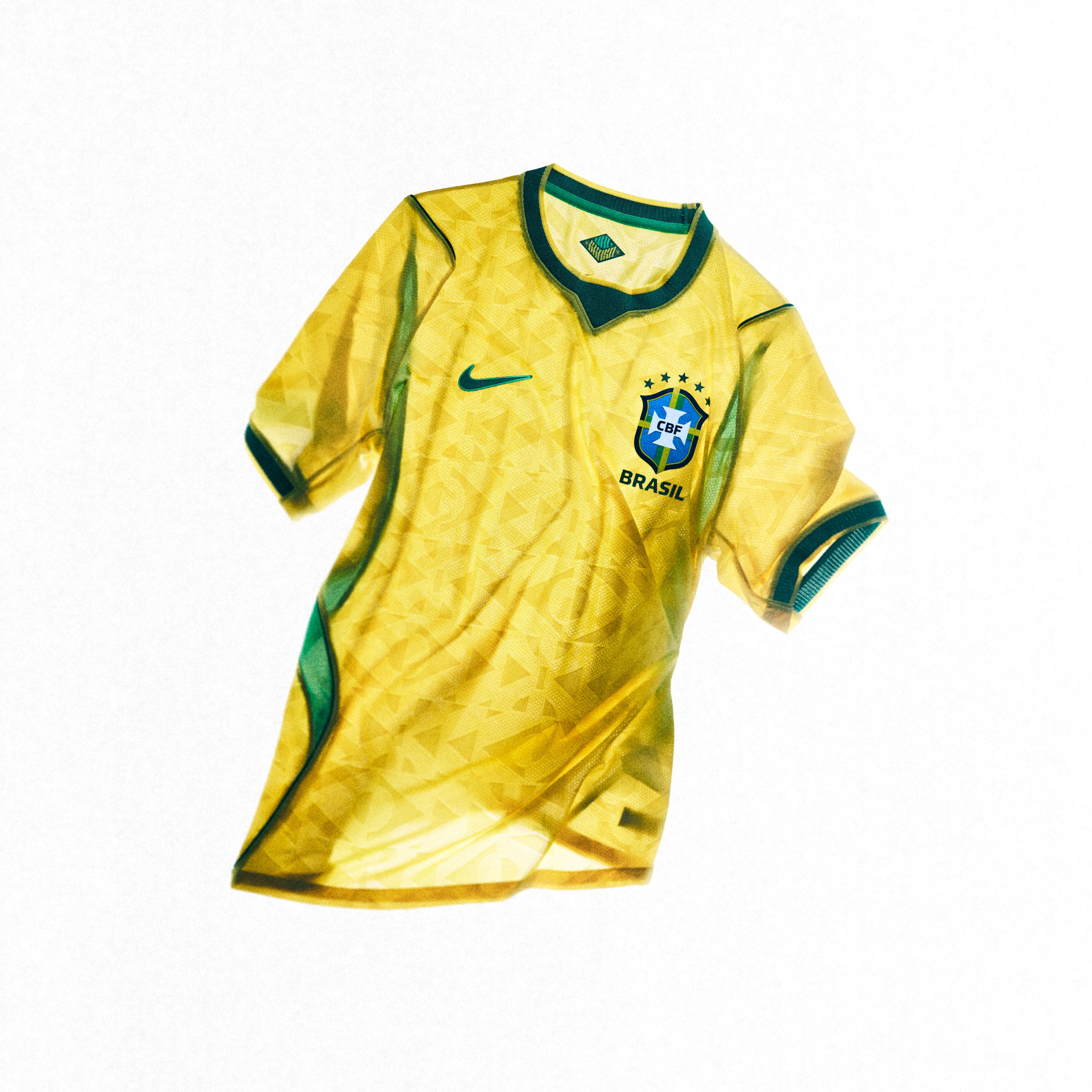
And yet football fans spend £75 on a kit without thinking about it. Authentic versions cost £110-£120. Some special editions hit £150. The Brazil x Jordan 2026 shirt is rumoured to be one of the most expensive replica football shirts ever sold at retail.
How did we get here? Where does the money actually go? And what are you really paying for when you buy a 2026 World Cup kit?
The actual production cost
This is the bit nobody likes to talk about. The fabric, manufacturing, printing and packaging cost of a replica football shirt is genuinely low. Industry estimates put the actual unit production cost of a £75 retail replica at around £6-£10. That includes the polyester, the screen printing, the heat-sealed badge, the labour, the packaging and the shipping from the manufacturing country (typically Vietnam, Indonesia, Cambodia or Thailand).
So a £75 replica shirt has roughly £65 of margin between production cost and retail price. That margin is split between the kit manufacturer (Nike/Adidas/Puma), the football association, the retailer, the distribution chain, and the marketing budget.
Who actually gets the money
Here's the rough breakdown for a typical £75 international replica shirt:
- £8 — production, shipping, packaging
- £15 — retailer margin (Amazon, Sports Direct, JD Sports etc.)
- £20 — kit manufacturer margin (Nike/Adidas/Puma)
- £15 — football association licensing fee (the FA, FFF, DFB etc.)
- £10 — VAT (UK)
- £7 — distribution, warehousing, returns processing, marketing allocation
The kit manufacturer is taking about 27% of the retail price. The football association is taking about 20%. The retailer is taking about 20%. The actual production cost of the shirt is about 11%.
The remaining ~22% goes to logistics, marketing budget, retailer overheads and distribution. So the brands and the football associations are keeping the bulk of the money — neither of which has anything to do with how the shirt is made.
Why the prices keep going up
2026 kits are noticeably more expensive than 2018 kits, which were noticeably more expensive than 2014 kits. The increase is real. There are five reasons:
1. Brand consolidation
Three brands now dominate the entire international football kit market: Nike, Adidas and Puma. They have effectively no competitive pressure on pricing. When Umbro, Lotto and Le Coq Sportif had real market share in the 1990s, prices were lower because there was actual competition. Now there isn't.
2. Football association demands
The biggest football associations have been negotiating better licensing deals decade after decade. The FA's deal with Nike is reportedly worth £400 million over 12 years. That cost is built into every England shirt sold. When the FA gets paid more, the shirt costs more.
3. Product tier inflation
"Authentic" or "player version" shirts are a relatively new category. Until the 2010s, every replica was the same shirt at one price. Now there's a £75 replica and a £120 authentic and a £150 special edition. The brands have created more tiers to capture higher prices from the most committed fans without scaring off normal buyers.
4. The fashion crossover
Football shirts are now fashion items, not just sportswear. Fashion items command higher prices because they're sold against fashion benchmarks (£75 designer t-shirts) rather than sportswear benchmarks (£30 generic kit). The Brazil x Jordan shirt is priced against Jordan sneaker culture, not against generic football kits.
5. Inflation + supply chain costs
Production costs have genuinely risen. Cotton and polyester prices are higher. Shipping is more expensive than 2018. The brands aren't lying when they say their unit costs are higher — they're just not transparent about how much higher their margin has grown on top of those costs.
What you're actually paying for
When you buy a £75 World Cup 2026 replica shirt, the value isn't in the fabric. It's in:
- The official licence to wear the team's exact match-day shirt
- The brand association with Nike/Adidas/Puma
- The football association's authorisation
- The cultural identity the shirt grants you (covered in our kit psychology post)
- The signal to other football fans that you're "in"
None of these are tangible. All of them are real. The value of a football shirt is almost entirely in its cultural function, not its physical properties.
How to spend less on a 2026 kit without buying fakes
You don't have to pay full retail to get a 2026 World Cup kit. Five legitimate ways to spend less:
- Buy from Amazon UK directly — they typically run sub-RRP pricing on popular kits. Always check the price before going to the official store. All 48 team Amazon links here.
- Wait for Sports Direct sales. Sports Direct discounts older-cycle kits aggressively. The 2024-25 club kits are usually £40-£50 within months of the new cycle launching.
- Buy the kids version for adults. The XL kids size fits adult women up to size 12 in most cases. Kids kits are typically 30-40% cheaper than adult equivalents.
- Buy retro instead. Classic Football Shirts and Subside Sports sell genuine retro shirts (1990s and 2000s) at prices comparable to or lower than current-cycle replicas. You also get a more interesting shirt. See our retro buying guide.
- Skip the player version. The £45 saved between a replica and an authentic is not worth it for 99% of buyers. The replica is the same shirt with a slightly looser cut. Buy the replica.
What NOT to do
Don't buy fakes. The £25 "real-looking" shirts on Instagram and dropshipping sites are counterfeit. They support trademark infringement, the prints crack within weeks, and Amazon refunds them under counterfeit policy. See our guide to spotting a fake football shirt.
The kit costs what it costs. Pay for it once, buy from a legitimate seller, treat it well (see our care guide), and it'll outlast every fast-fashion item in your wardrobe.
Football shirts have always been overpriced. They've also always been worth it. That's the contradiction at the heart of the entire kit-buying culture, and 2026 is the year that contradiction reaches its peak.